


Advertisement.
After the warmest year on record across much of the NWT, we spoke to lifelong trappers from the South Slave about the land, the animals, and their vision for the future of trapping.
“We usually have 60 km of trapline that we use. About half of it burned last year and then this year, the rest of it pretty-much burned. So, there isn’t too much left to trap,” said Elder Richard Mercredi of Fort Smith.
“Once a fire goes through, trying to cut a trail back where you were trapping? I mean, it’s a humongous amount of work.”
Mercredi learned to trap more than half a century ago, living in the bush with his family. His dad would take him out on the trapline by dog team before he was sent to school in the 1960s. The family lived on the land, fishing, hunting and trapping as a way of life.
Advertisement.
Advertisement.
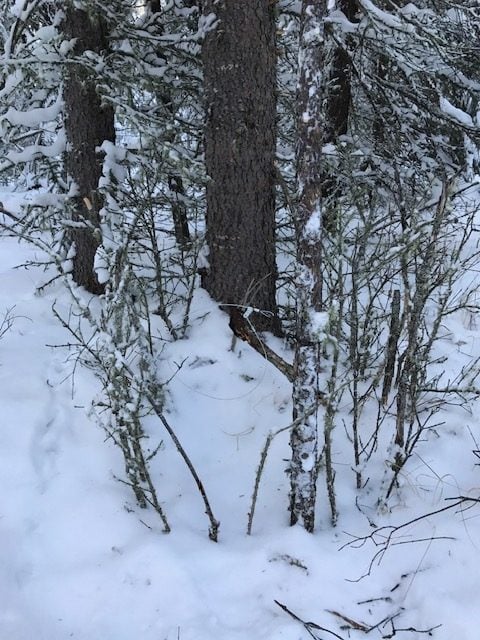
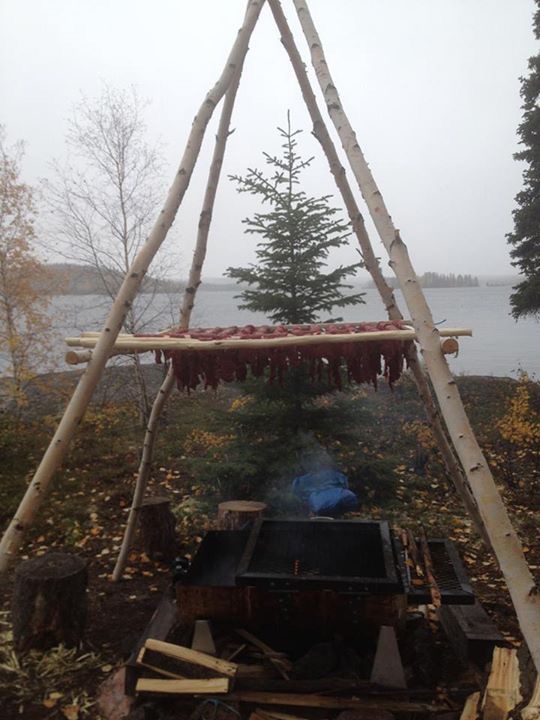
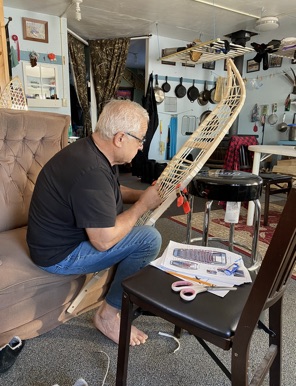
“The animals used to come through our trapline by the thousands in my dad’s time,” said Mercredi.
“Now, they don’t come any more. It was a source of food for our people – and that’s what people lived on, mainly.
“We had everything off the land. We ate lynx meat, porcupines, beaver meat. Pretty-much everything that was on the land, my dad used to cook.”
Throughout his lifetime, Mercredi has trapped lynx, wolverines, wolves, foxes, mink, otters and more.
Advertisement.
Advertisement.
“Surprisingly, I’ve seen a few lynx tracks around. The numbers have actually been low the last few years,” said Mercredi of his animal sightings since the summer 2023 wildfire crisis.
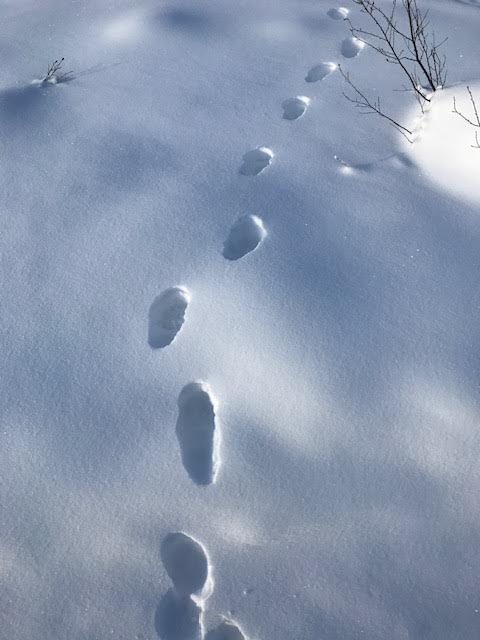
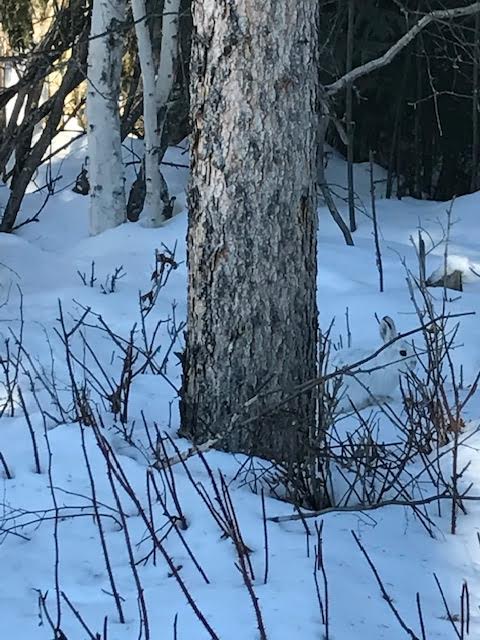
“I see some rabbit tracks. [The wildfire] must’ve burned not too hot but it burned the bottom, and the trees fell over, and they’re eating the tops of the trees – birch trees, pine trees. I was surprised to see so many tracks.”
Wildfires are a naturally occurring phenomenon in the North that support healthy ecosystems and a range of wildlife.
“A lot of times, fires come roaring through, just a surface burn, still good vegetation. That’s why you’ll see moose, caribou, buffalo. They’re not going to starve to death, they’re not going to get fat either,” said Fred Mandeville, an Elder and longtime firefighter from Fort Resolution.
“Say you’ve got a fire in July. Four or five days after the fire’s gone through, the bison are in there eating. You can see the little green, fresh shoots coming up.”
But over the years, wildfire behaviour has changed. Fires are becoming more severe and last year’s season burned a record amount of land in the territory.
One trapper near Trout Lake describes having to travel farther north to continue a practice that was already declining, becoming less profitable and more expensive as the cost of snow machines and gas increases.
Remaining trappers say they are working hard to keep family traplines active because of their cultural and personal significance.
Advertisement.
Advertisement.
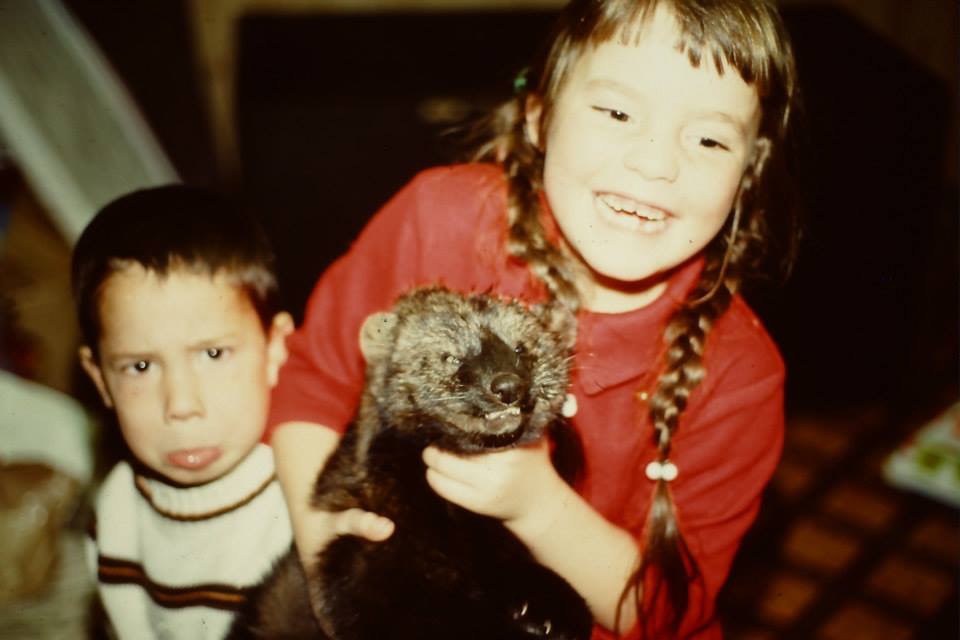

“I was born in Fort Smith, but I was raised up in the bush in the early 50s,” said Elder Louie Beaulieu. “It’s kind-of like a gift to you, they pass on to you. I’ve been trapping ever since I was two years old. Ever since I can remember, with my grandfather.”
Mandeville, too, went out with his father and grandfather from the age of six.
“In the morning, before school, I’d go check my traps, set snares. I was always going out with my dad, my grandfather, trapping muskrats or whatever,” said Mandeville.
“There was nothing else to do. There’s no TV, none of that stuff.”
How things are changing
Recent years have seen increasingly volatile wildfires near northern communities – and 2023 isn’t the only year that’s had an impact.
In 2017, a dry winter and spring preceded a May heatwave “followed by a rapid increase in fire activity” according to a GNWT report.
“In 2017, I pretty-much burnt out. I lost the whole camp,” said Beaulieu. “The whole country was burned for miles and miles. Not only my traplines, other people’s traplines too.”
Meanwhile, Mercredi believes the landscape doesn’t have enough time between severe fire seasons to grow back and feed wildlife like caribou, on which some communities have relied.
Advertisement.
Advertisement.
Caribou “need the old-growth forest, which there’s not much of that left,” he said.
“There were a few green corridors in the 90s, that’s why they were still coming. And then those got burned in the late 90s, and so we haven’t seen caribou for quite a while.”
Fires aren’t the only threat. Mandeville sees the 1968 opening of the Bennett Dam, on the Peace River in northern British Columbia, as a critical change that he believes contributed to the gradual drying of channels in the Slave River delta.
“Muskrats are gone. In the spring, you get a little flush. Not like before,” he said.
“The water level dropped. Muskrats really depended on the water, and all the little sloughs started drying up. Eventually they just had no place, their habitat was disappearing.
“They opened the dam for repairs, I think in 1996 or 1997, so they flooded the Athabasca Delta, Res Delta, so for the next couple years, oh man, they came back, it’s like overnight,” said Mandeville.
“That was the last time they had an abundance there.”
To explain what’s happening to the practice of trapping, Beaulieu pairs changes on the land with the ways life in communities have evolved.
Advertisement.
Advertisement.
Growing up, he recalls living in the bush out of necessity. His family would live in town during the summer and spend winters in the bush, because there was no work for them. Trapping was essential to feed the family.
“Today, it’s so easy,” he said. “You can go to income support if you want. That’s what changed lots of this trapping.”
Elders who spoke with Cabin Radio perceive less interest in trapping from youth, while families no longer have the same need for it as a skill. Costs of trapping are going up and income from pelts, they say, has declined over the years.
“It’s not because of fires. It’s that less people are out there trapping. There’s less people going out on the land any more. Nobody’s harvesting,” said Beaulieu.
“I think, around here in Fort Smith, there’s only three or four of us that still do it. Trapping today is not as good as it used to be, because of the fur pricing.
“Today, I could go out and get a job – a good-paying job.”
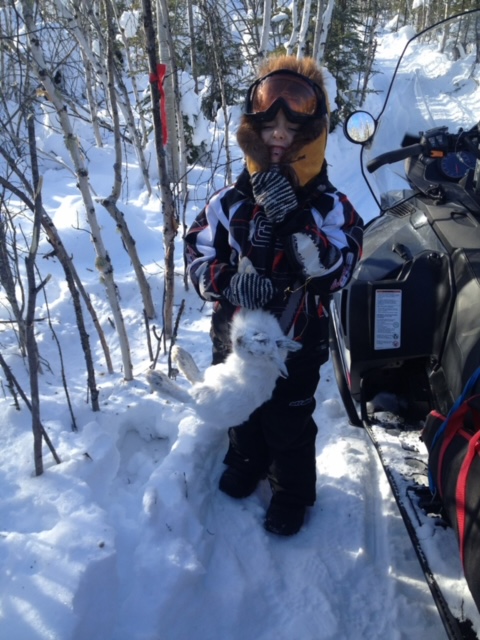
The Department of Environment and Climate Change has created initiatives to promote trapping in the North, such as the Mackenzie Valley Fur Program, which aims to secure funding for every pelt trappers bring in.
“Thank goodness for the Mackenzie Valley Fur Program, because that really helps us as trappers. They buy our fur and then they auction it off for us, and if there’s anything more, then they pay us,” said Mercredi. “It’s a real big help that that program’s in place.”
Advertisement.
Advertisement.
ECC, too, says it has seen a long-term decline in trapping after a peak era that stretched from the 1970s to the 1990s.
The department has set up a mentorship program to encourage youth to continue the practice.
“This program was established based on engagement and feedback from harvesters, Elders, youth, environment and culture staff and others in many NWT communities,” department spokesperson Amy Kennedy said in a statement.
“Teaching and sharing traditional knowledge and skills between Elders and youth is so much more than the learning the specific activity; it helps to reinforce a deeper cultural understanding and practices between generations.”
Still, climate change is expected to mean longer dry seasons and more intense burns, ultimately changing northern habitats.
Mandeville says today’s wildfires “burn right down to the virgin soil, nothing there for the mouse. Even a mouse will starve under there.”
“Right now, there’s no future in trapping, I’ll tell you that,” he said.
“It’s worldwide. Anti-fur people, all that stuff. At the end of the day, it’s a losing battle. There was a time for trapping, but it’s come and it’s gone. And that’s the reality and people have to accept it.
“People, a lot of them, haven’t accepted that correlation between fire and nature. You have to have fire. If this country didn’t burn, we’d be dead years ago.
“The world, fires, the furs are all going to be here long after the last trapper’s dead.”
