



Advertisement.
Branda Le and her family had to abandon their Yellowknife restaurant as a wildfire closed in. A year on, she reflects on the week the unthinkable happened.
Growing up in Yellowknife, many of Branda’s memories there are tied to her family’s restaurant there: the Vietnamese Noodle House.
After school, she always stopped by the restaurant before heading outside to play with friends. She’s worked there since she was young and has always cared about helping support her family’s business.
Branda’s interest in environmental issues began in middle school and led her to start her own environmental club with a friend in high school that is still active today.
Advertisement.
Advertisement.
When Canada’s forest fire season started in 2023, Branda had taken a break from her environmental studies and sociology classes at the University of Victoria to take part in an exchange program in Brazil, practise Portuguese and travel.
In late July, she returned to Yellowknife to work at the restaurant and her other regular summer job with the Giant Mine Oversight Board.
Here is Branda Le’s account, as told to Sophie Peters.
I remember an underlying feeling of, “OK, when are we going to close because they’re going to be calling the evacuation?”
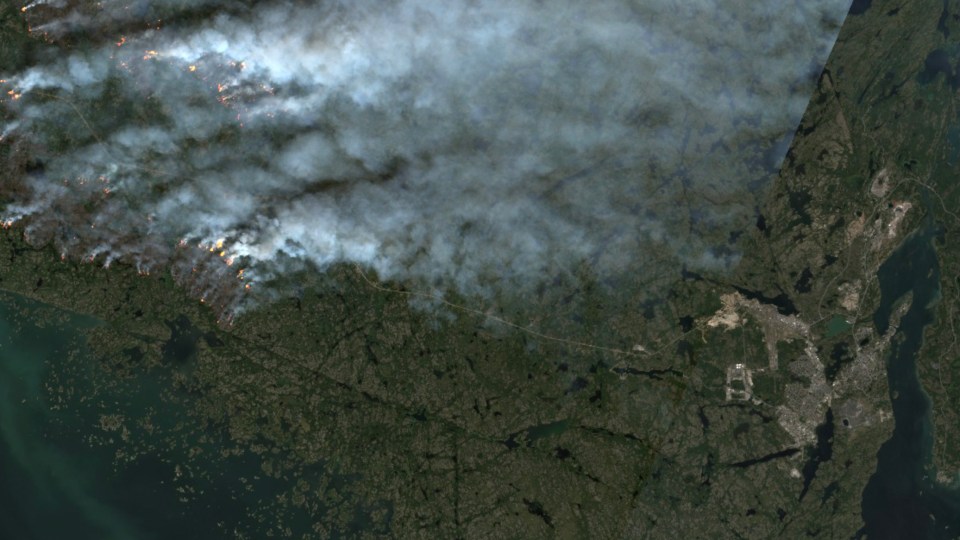
Usually, in the summer, we have midnight skies. The sky is clear and the sun doesn’t really set. It’s just dusk. But the smoke cut out the view of the sky. There was this thick layer blanketing the city.
Advertisement.
Advertisement.
It was so heavy. There was smoke wherever you went. It was in the house, too. The sky was deep-orange and rusty. You could see ash everywhere and smell the trees burning.
My parents mentioned that we would be leaving at any point. I remember mentally preparing during that period. Once the fires reached 10 or 11 kilometres outside of the city, I felt pretty confident it was going to be called.
We knew people who didn’t feel comfortable leaving. For some people, their home is so closely tied to them as a person. It was the feeling of losing everything.
Lahaina had just burned and my brother was really freaked out by that. He was the one who started organizing and getting everything packed to leave. There was definitely a sense of fuel shortages in town. People were lining up and filling up. The jerry cans ran out really fast. We just happened to have some from a few years ago.
It was definitely my brother who pushed for us to start heading out. We left the next day. I remember putting the sign up that the restaurant would be closed until further notice and my family and I packing up the car.
There wasn’t a whole lot of instruction. At the time, the evacuation hadn’t been called yet. I think it was called later that evening, but already so many people were leaving. It felt informal. People were seeing the fire moving quickly relatively close to the city and taking it upon themselves to organize. Others were still questioning if they had to leave or not.
The highway was full and there were long waiting periods. Usually, you’re able to drive straight because there’s not really many cars around. You could see the cars for what seemed like miles.
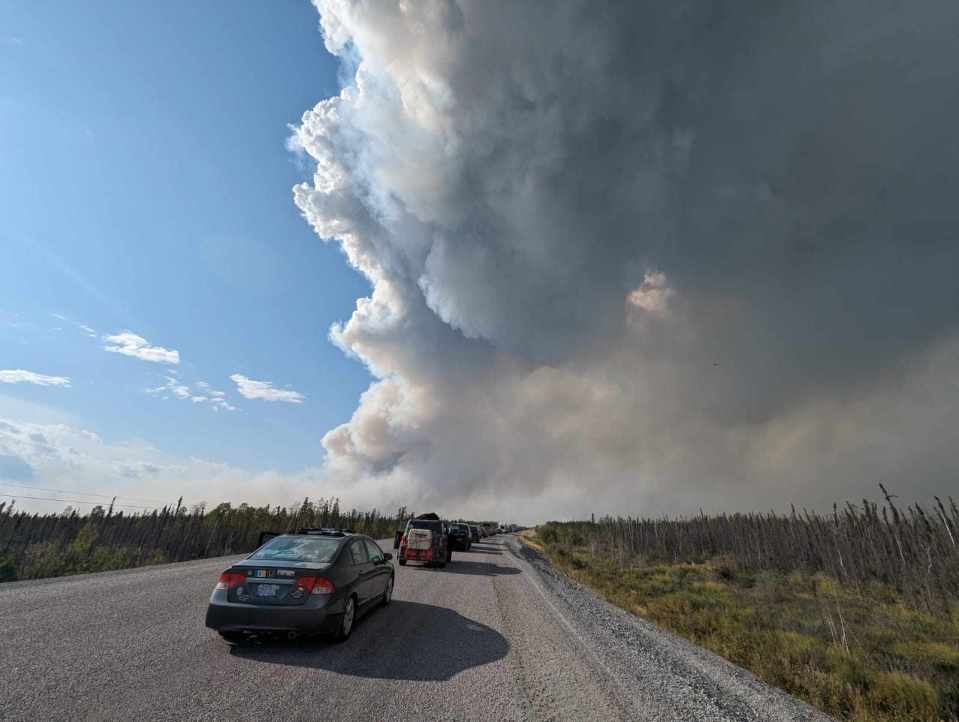
I remember people saying they were almost getting in car crashes. I think it was a combination of so many people on the road trying to get to their place, or a place. A lot of people have ties to the cities down south; family or friends they could go to.
Advertisement.
Advertisement.
My dad did all the driving. He is able to drive for hours and hours and hours on end. We probably should have taken more pauses, but my dad was insistent. He’s done this drive so many times. At certain points in the drive, the smoke was so heavy I would suggest my parents wear the Covid face masks we still had in the car. My brother has asthma, too.
We stayed with family friends in Edmonton. We were there for three weeks. In the house, there were so many people around all the time. Ten to 12 at some points. It was us, my brother’s girlfriend and a couple of other families. The house felt overcrowded. I remember a persistent feeling of wanting to be alone.
On one hand, it was nice to spend so much time with my parents and family friends. I remember really appreciating getting to go on walks with my mom, helping her set the table and watching movies together, too. Those are things we otherwise hadn’t normally done because my parents work so much.
Everyone was checking the news multiple times a day to see how the firefighting efforts were going. It wasn’t a vacation period. It was a period of anxiety and stress. There was fear from not knowing how the situation would pan out: fear that the city could go up in ashes. There were people I knew who stayed back to volunteer. People who had different skills and were helping with fire breaks, cooking for the firefighters, and stuff like that.
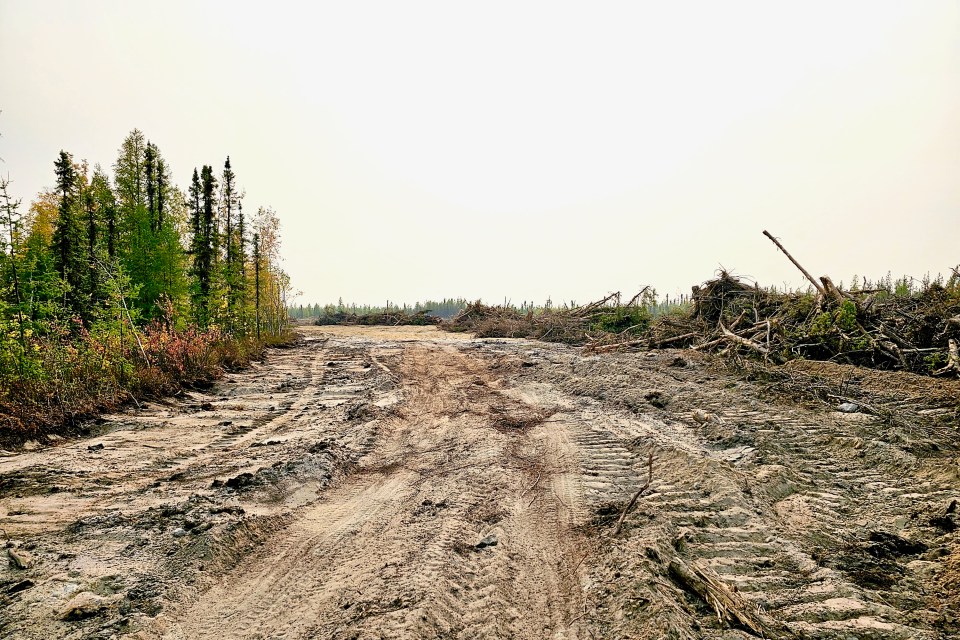
Once the evacuation was lifted, we immediately went back to Yellowknife. I flew out two days later to Victoria because the semester had already started. I was still helping my parents with their insurance documents and gathering correspondence to help figure things out with the restaurant.
The government offered some financial support, but a lot of people felt like there wasn’t enough. There were a lot of people who struggled and went into debt. Luckily, my family and I didn’t have to pay for any expenses, so that was really helpful. My mom had insurance for the restaurant and that mostly covered the costs of being closed for those three weeks.
Everything was so sudden and there wasn’t an adequate plan. There wasn’t sufficient oversight for people who were more vulnerable. I remember reading news articles about the women’s shelter and how there’s still women who they don’t know where they are. There’s still a lot of community members who went down south and no one knows where they are or what’s happened. People are frustrated about that.
The overall sentiment was that Covid had just happened and now, this: the wildfires. I think a lot of people are tired of one event after the other. They’re just waiting for things to be peaceful again.

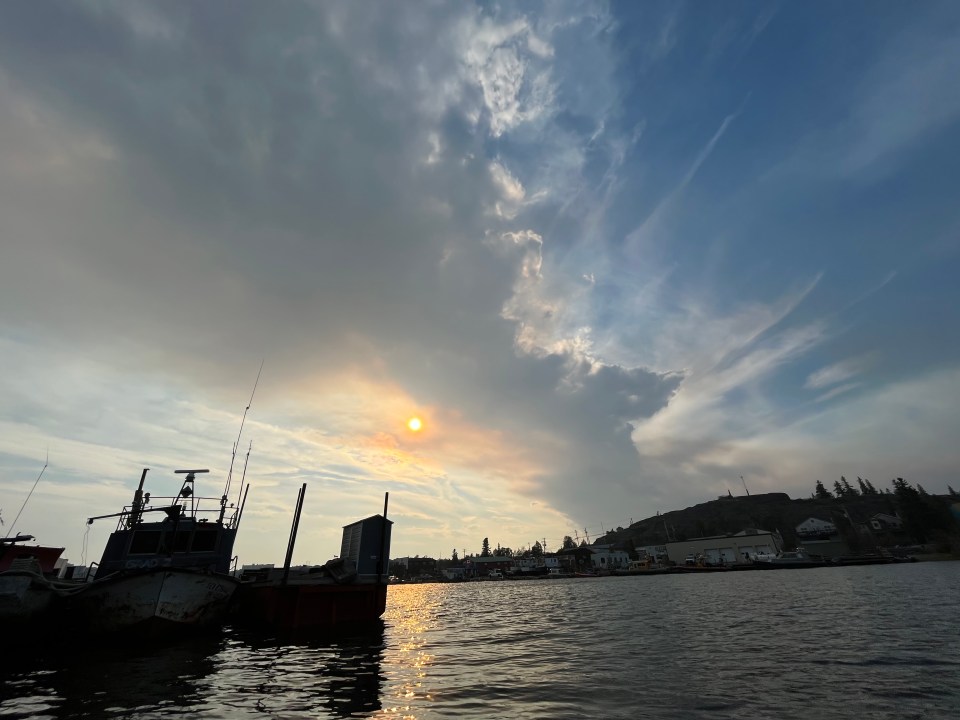
Yellowknife felt like a safe place and people never imagined a climate disaster happening there because there’s no threat of flooding or earthquakes or other major disasters. After this year, it’s become a reality that, at any point, people aren’t safe from the wildfires and it’s going to happen again.
A lot of people are making sure they have insurance that’s up to date and are fireproofing their houses. All I could hope is that there’s more clear direction and processes next time. It definitely makes me think about the future, and future climate-related conflicts and evacuations. That’s something that’s really scary.
Yellowknife is home. It’s the people who make it home, so just being able to lean into others during that period really helped it feel tolerable. After this, I hope people do really understand and contextualize the impacts of climate change and how these are all related, and it’s not a coincidence. It’s going to impact every landscape in different ways.
We need to start doing things differently. We need to stop relying on oil and gas. Even though it does feel futile at times, I do still feel everyone can make a difference. Even if it’s a small difference.
This testimony was co-created by members of the Climate Disaster Project. The project is an international teaching newsroom that works with disaster-affected communities to document and investigate their stories. For more information, please visit www.climatedisasterproject.com.
From Monday: Walking the path to recovery a year on from the Enterprise wildfire
