



At least three Northwest Territories businesses had visits from furry customers over the weekend.
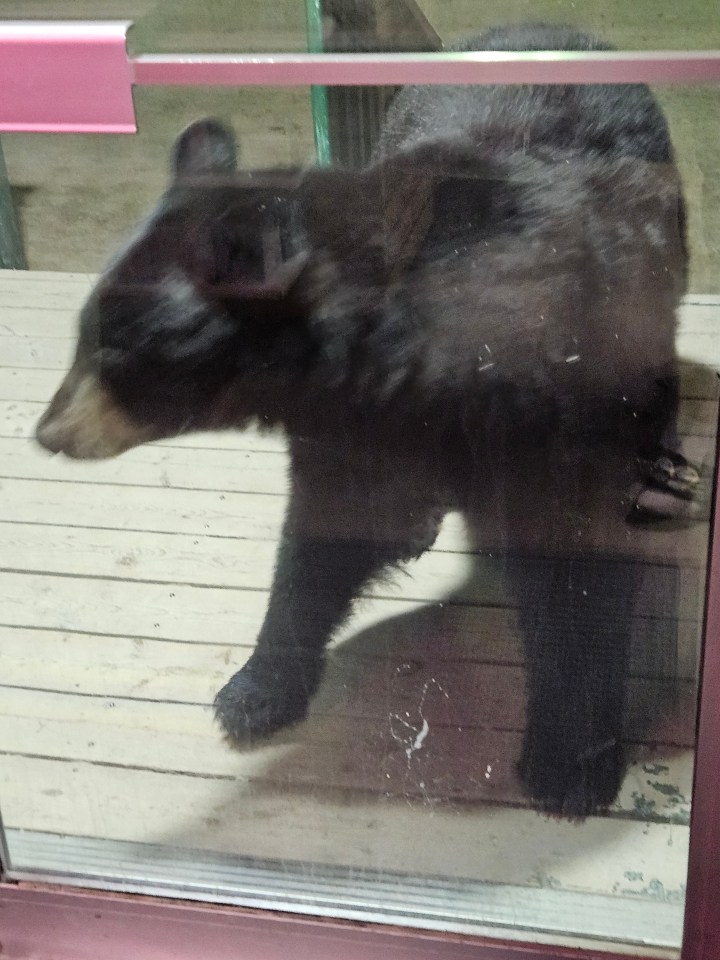
The Big River Service Centre in Fort Providence shared a photo to Facebook on Saturday of a black bear peering through the glass of its front door.
The service centre said there had been “a few unexpected visitors” at the building over the past few nights and advised customers to use caution when exiting their vehicles with pets or small children.
Linda Croft, Big River’s general manager, said a black bear was also seen outside Fort Providence’s Snowshoe Inn “perhaps wanting a late check-in.”
In Yellowknife, several residents spotted a black bear outside the Canadian Tire on Friday night. Video shared online shows the bear searching through the contents of an overturned garbage can just outside the business.
Advertisement.
Advertisement.
The NWT Department of Environment and Climate Change said wildlife officers responded to the bear outside the Yellowknife business and successfully deterred it from the area.
“Wildlife encounters between people and an animal are not uncommon in the North due to the dense boreal forests that surround us,” department spokesperson Shannon Graf wrote in an email. “Environmental factors like wildfires, drought and other factors in the Northwest Territories might be affecting black bears’ food sources, leading them to follow their noses into communities in search of food.”
The department asked residents to be mindful of attractants around their homes and cabins. It advised people to keep their garbage and compost secured; not clean fish or dress animals near communities, homes or cabins; pick up litter; and consider not planting berry bushes near homes or harvesting the berries as soon as they are ready.
Wildlife sightings in communities can be reported to the department’s regional wildlife emergency lines.
