



The last territorial election may have taken place just 15 months ago but Elections NWT is already preparing for the next one.
Elections NWT is an independent, non-partisan public agency responsible for the administration of territorial general elections, by-elections and plebiscites.
The agency recently released its strategic plan for the next five years with goals to modernize the electoral process, support Indigenous languages, educate voters, engage with local authorities and enhance training.
Stephen Dunbar – the NWT’s chief electoral officer and head of Elections NWT – said the strategic plan helps give the public insight into what the agency is doing in between elections and how it plans to improve the electoral process.
“We know that there’s a high degree of trust in election agencies and I think part of that comes from the fact that people tend to have a good experience when they go vote,” Dunbar said.
Advertisement.
Advertisement.
“In order to keep that degree of trust, I really strongly believe we need to be transparent about what we do and one of the key questions I get fairly regularly is, what do we do between elections?”
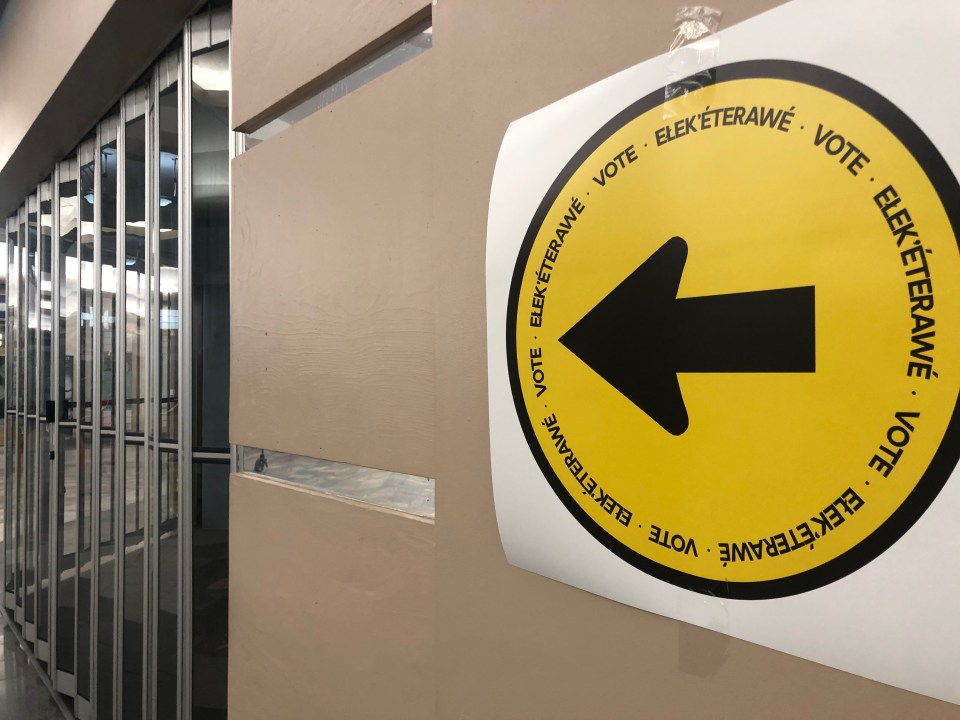
Dunbar said while the territory is “at the leading edge of the country when it comes to online voting,” other processes are still paper-based. Elections NWT is planning changes to make voting easier and faster.
For the next election, the agency plans to pilot technology in Hay River, Inuvik and Yellowknife that would allow voters to make minor changes to their voter registration – such as updating their address or correcting the spelling of their name – in real time at polling stations.
Dunbar said the technology would also allow voting officers to strike off who has voted in real time, which he said is already done in most other jurisdictions.
Advertisement.
Advertisement.
“This will give candidates a little bit more opportunity to have a better sense of: How is their voter engagement going?” he said.
Building on work to support Indigenous languages in the 2023 election, Dunbar said Elections NWT is planning to expand the range of election materials available in all of the territory’s official languages. He said that will include having audio as well as written materials such as “I Voted” stickers in Indigenous languages.
Dunbar said Elections NWT is also looking to provide information in non-official languages that are commonly spoken in the NWT, such as Tagalog, one of the major languages spoken in the Philippines.
Other initiatives in the strategic plan include creating a digital newsletter by March 2026, launching a new website by March 2027, updating the NWT’s Elections and Plebiscites Act, and developing and delivering presentations to high school students to encourage interest in democracy among youth.
Elections NWT also plans to develop a new online training system as well as conduct a survey of Indigenous, municipal and school board authorities to gauge how the agency can support their elections.
