


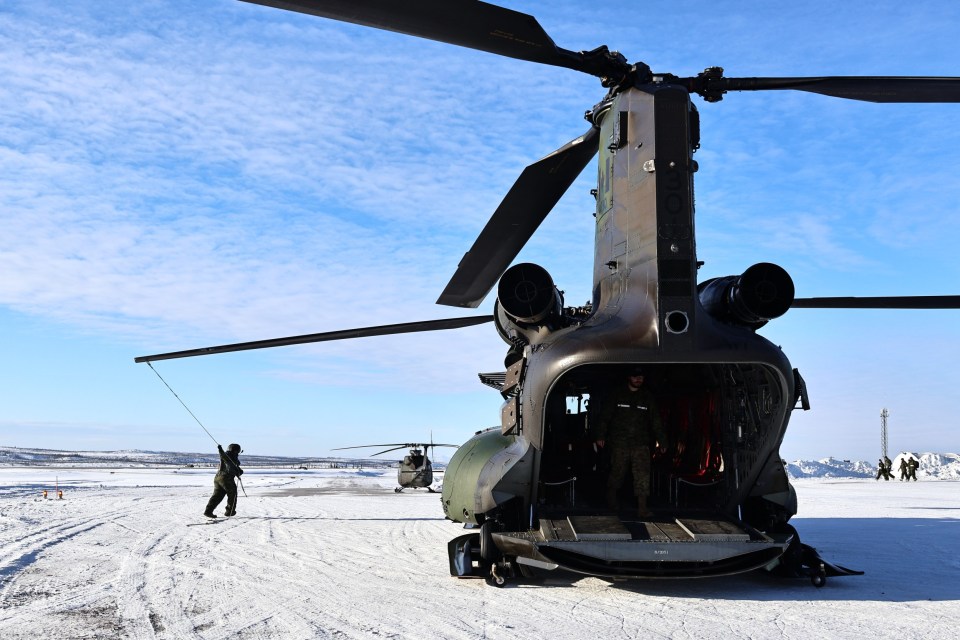
As the world’s attention is turned to the Arctic, the Canadian Armed Forces and allied military forces have been working together on a defence and sovereignty operation in the region.
Operation Nanook-Nunalivut began on February 23 and runs until March 9 in the vicinity of Inuvik and the Mackenzie Delta.
The military exercise takes place every year across the Yukon, Northwest Territories, Nunavut, and Newfoundland and Labrador, with the aim of asserting Canada’s sovereignty, supporting the security of northern communities, and enhancing defence capabilities in the Arctic.
“We need to get comfortable being uncomfortable. This is going to be our playground for the next foreseeable future,” Canadian Armed Forces Chief Warrant Officer Bob McCann told participants in the 2025 operation following dinner on Monday night.
“We need to work with our great Canadian Rangers that we have that know this land, understand the climate and what we do here,” he added, stressing the importance of partnerships.
Advertisement.
Advertisement.

There has been an increasing focus on Arctic sovereignty and security as climate change makes the North more accessible and Russia and China pose potential threats in the region.
Last year, the Canadian government updated its defence policy with a focus on the Arctic and released a new Arctic foreign policy with those challenges in mind.
More than 450 Canadian Armed Forces members from across the country are participating in this year’s Operation Nanook alongside around 110 foreign military members from the US, Belgium, UK, Finland, Sweden, Norway and Denmark.
According to Brigadier-General Daniel Rivière, commander of Joint Task Force North, the 2025 operation is the biggest since Operation Nanook began in 2007.
Advertisement.
Advertisement.
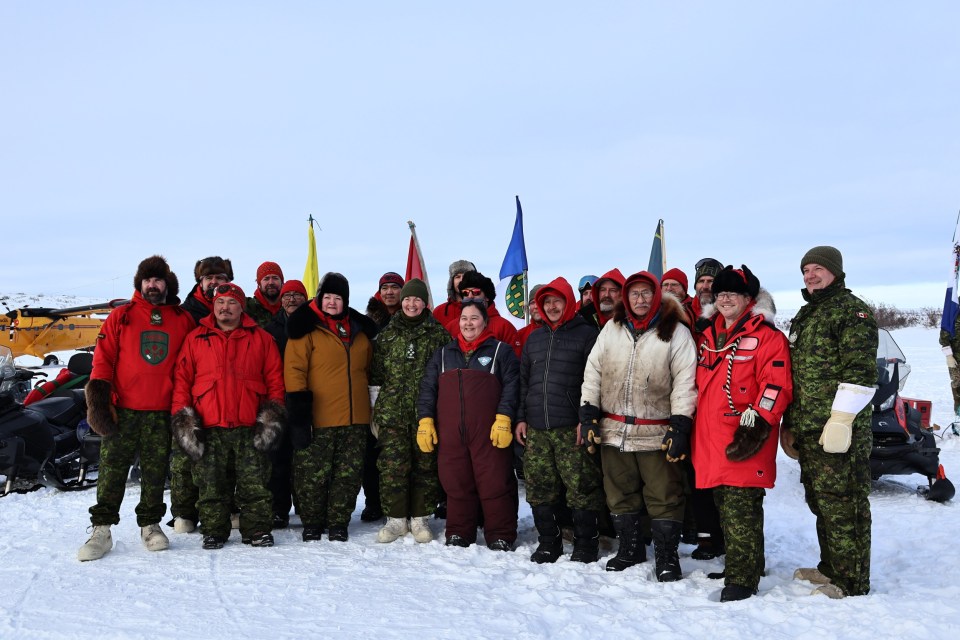
Jackie Jacobson, a Canadian Rangers sergeant based in Tuktoyakatuk, said the operation had been a good experience working with allies from around the world.
“It’s just a really good mix. We’re working together and learning off each other,” he said.
“We learn little things off each other and how you do things and you just make it better. So it’s been an awesome experience.”
Jacobson said some of the things he and other rangers from the North have taught visitors include how to travel on the ice and deal with conditions such as ice fog.
During a trip by snowmobile from Inuvik to Old Crow, Jacobson said he learned about weather in the mountains and making the transition from flat terrain with no trees to a mountain landscape with many trees.
“It’s been a really, really good experience sitting with Elders in Old Crow,” he added. “It’s like going to school every night when you go visit with them after your day is done.”
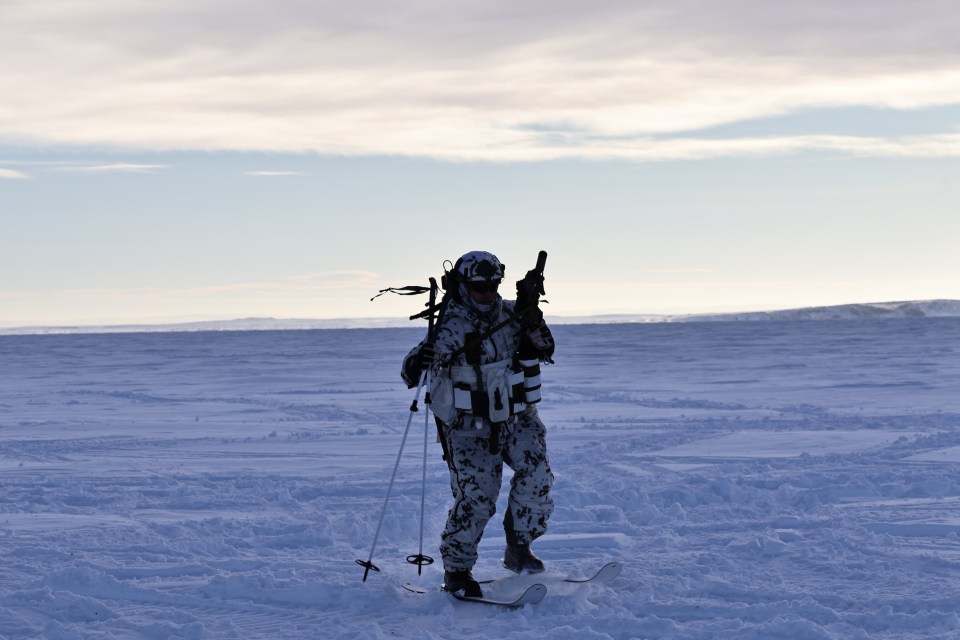

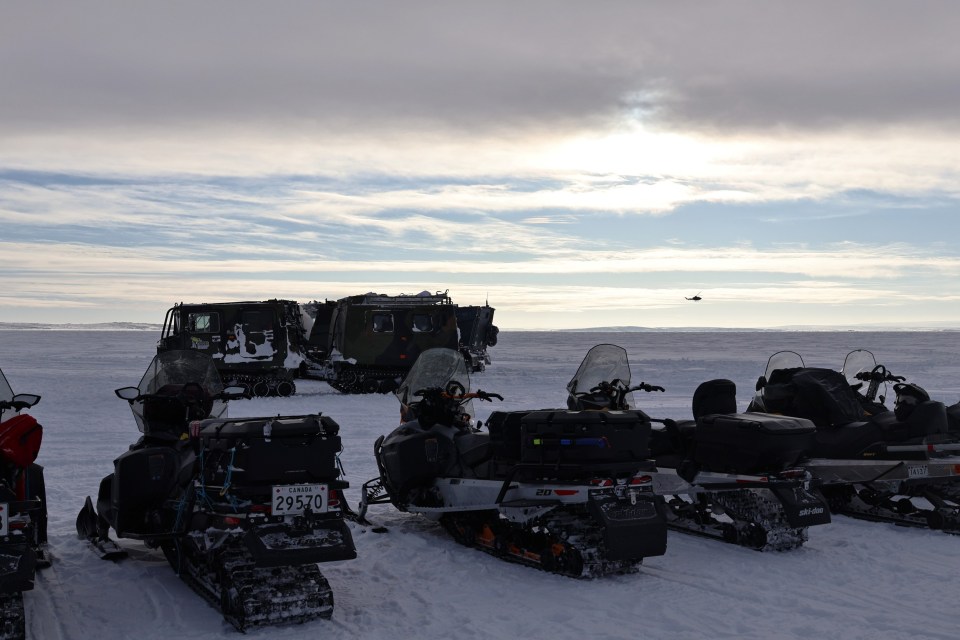
Operation Nanook-Nunalivut includes manpower as well as aircraft, ground vehicles and other machinery and equipment.
Beyond showing a visible military presence in the Arctic and improving operations in the region, the military exercise has also focused on building community relationships and conducting polar research.
Advertisement.
Advertisement.
That has included testing technology such as drones in cold weather conditions and research on caloric intake through the International Cooperative Engagement Program for Polar Research.
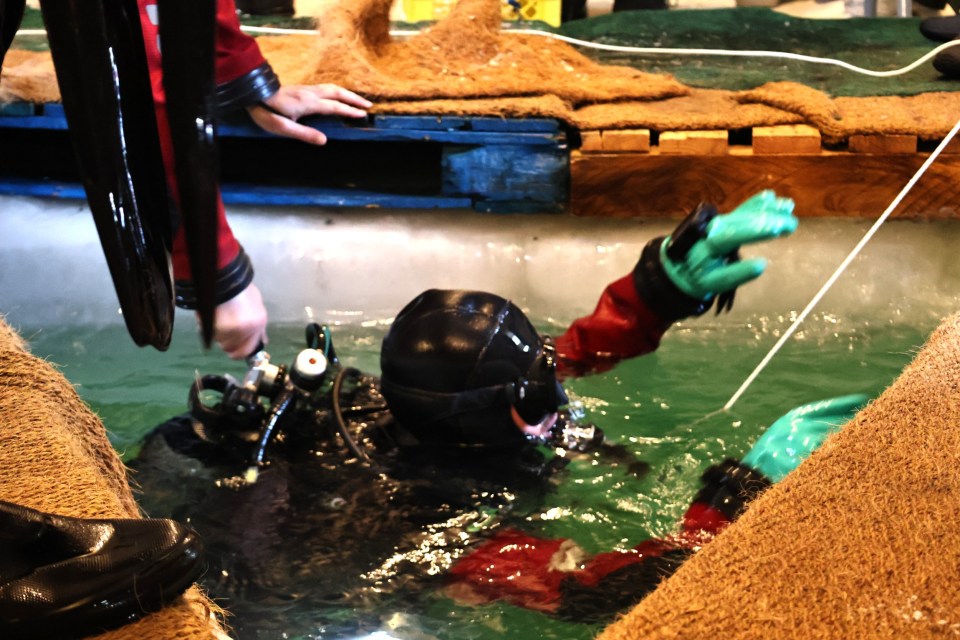
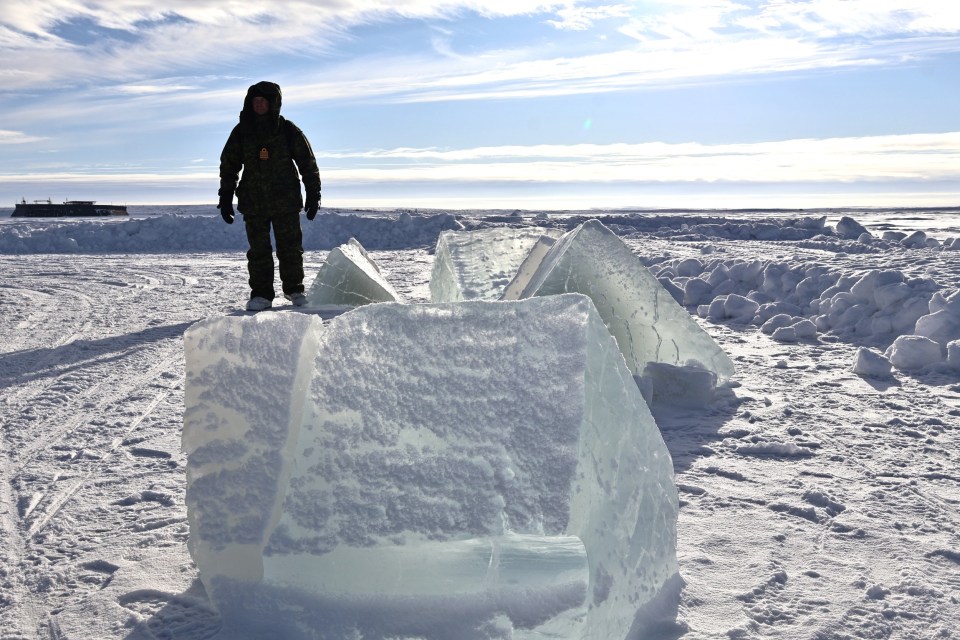
This year’s Operation Nanook-Nunalivut also saw combat divers and support inspection divers from Canada and Belgium practise cold-weather immersion and test equipment in the Arctic Ocean underneath the ice.
“Those skills are important just so that we can operate in the North,” said Lieutenant Commander Jen Compeau of the Dive Task Force. “It comprises a lot of the environment that we are required to work in in Canada and it builds their skillset so they can be prepared for tasks as required.”
The divers were able to access the water through two triangle-shaped holes cut into the ice, which is about three and a half feet thick.
Michael Simms, a research technologist at Defence Research and Development Canada, said that work was done with a unique hot-water drill.
The drill draws cold water from a lake or ocean, pumps it through a heated coil and outputs hot water, he explained.
“We basically melt slices through the ice and we’re able to use this method to remove large blocks through thick ice … to make an access hole to put people or equipment below the ice,” he said.
Simms said it took around two hours to cut each hole last week, when the temperature was -45C.
