


Advertisement.
Ruth Akhanyinya says she hasn’t heard much from any of the Northwest Territories’ candidates for MP apart from seeing a poster in town.
Akhanyinya, a nurse at Norman Wells’ long-term care facility, spoke with Cabin Radio after finishing her night shift and before heading home to bed.
“When there was an election for the councillors, we went into the community hall and everybody spoke and people had questions,” said Akhanyinya. “But for the federal elections, I think we are one of the forgotten communities.”
She said the high cost of living remains one of the biggest issues facing the Sahtu town, home to fewer than 1,000 residents.
Advertisement.
Advertisement.
Akhanyinya said she had a hard time finding housing when she first moved to the town from Nova Scotia three years ago, but was glad to eventually find an apartment where utilities were included in the rent.
“Other people who live here, they are always worried about the power,” said Akhanyinya, adding that while water is relatively affordable, heating a home in the winter can be expensive.
Last fall, Norman Wells declared a state of emergency over the high cost of fuel after the summer barges, which are usually relied on for the delivery of fuel and other goods, couldn’t run due to low water levels in the Mackenzie River.
That caused the cost of fuel to skyrocket to around $5 per litre, residents reported, because it had to be flown into the town.
Advertisement.
Advertisement.
Norman Wells resident Josh Ferguson said the price of gas has since dropped to roughly $2.68 per litre, due in part to the winter road that allows for fuel to be transported into the community by truck.
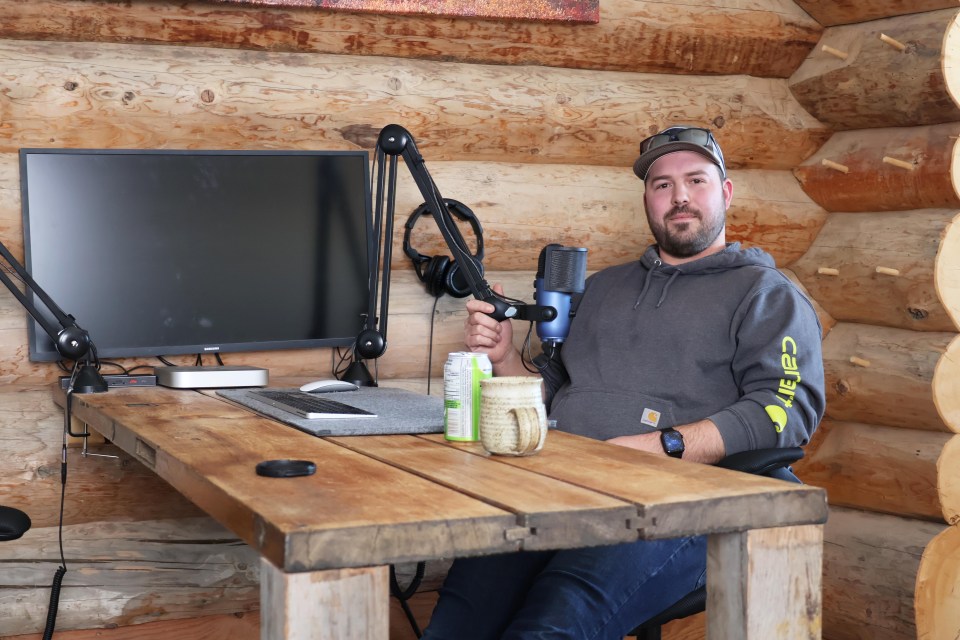
Ferguson runs Breaking Ice Productions, a photo and video production company, and has a podcast that features hour-long conversations with visitors and community members.
Two of the NWT candidates in this month’s election, the NDP’s Kelvin Kotchilea and Liberal Rebecca Alty, were guests on the podcast when they visited the town. (Ferguson said he contacted Conservative candidate Kimberly Fairman while she was visiting but she already had a full schedule and couldn’t accommodate him. He had set up the Kotchilea and Alty interviews in advance.)
“I don’t think there’s anyone who’s running who is not a good person,” said Ferguson, who described himself as a voter who tends to lean conservative.
He said if there was one thing he could change about the country’s electoral system, it would be allowing Canadians could vote for MPs and prime ministers separately.
“You might have different priorities at a federal level. Say you want a balanced budget, no questions asked, but then you also want to vote for someone who will be more progressive on social issues locally,” said Ferguson.
If that were the case, Ferguson said he might vote Conservative at the federal level and NDP at the local level.
“I really liked Kelvin a lot,” said Ferguson. “I thought that our conversation led to me feeling like he really saw the Sahtu and what our challenges were – and frankly, a lot of that is around the Mackenzie Valley Highway and wanting the MP to have the drive to push that forward.
Advertisement.
Advertisement.
“It’s hard for me to see a prosperous economic future for the Sahtu without that project being done.”
The Mackenzie Valley Highway is an all-season road project that could connect Norman Wells to the south and help bring down the cost of goods in the community.
Ferguson said he’d also like to see the NWT split into multiple ridings to allow the territory more than one MP.
“It’s easy to forget about the communities, because it’s hard to make enough noise to get the attention of people in Yellowknife – I’ve experienced that with the fuel crisis,” said Ferguson.
He said he helped make a website to bring the crisis to the attention of Yellowknifers and others outside Norman Wells.
In January, the Town of Norman Wells accused the GNWT of “at best a piecemeal response” to the fuel crisis.
The GNWT said it took steps such as reducing the cost of gas and diesel, allocating $1.8 million to offset transportation costs for essential goods, and upgrading the home heating subsidy available to seniors in the town.
The territory also donated $150,000 to Norman Wells’ food bank and said it had worked to make the winter road to the town wider and thicker to allow for more resupply traffic than usual.
Advertisement.
Advertisement.

Bryan Sedley – who works several jobs around town, including at the Ramparts grocery store – says the lack of a summer barge last year made it more difficult for business owners to operate.
“It’s a crisis,” said Sedley.
Seven years ago, he said, he moved to Norman Wells and made enough money to quickly pay off his student loans before moving away. In January, he decided to come back.
He said what’s happening in town isn’t likely to influence his vote. He’ll be voting in the riding where he previously lived in Ontario.
“There’s one party I’ve always voted for, and I’m probably just gonna keep voting for them,” said Sedley. “I go NDP, that’s usually my number one.”
He said that he’s displeased with how the Liberal government handled Donald Trump’s tariffs.
“I’ve got friends that work at GM [General Motors] and they’re working one to two days a week right now, and they just can’t get supplies,” said Sedley.
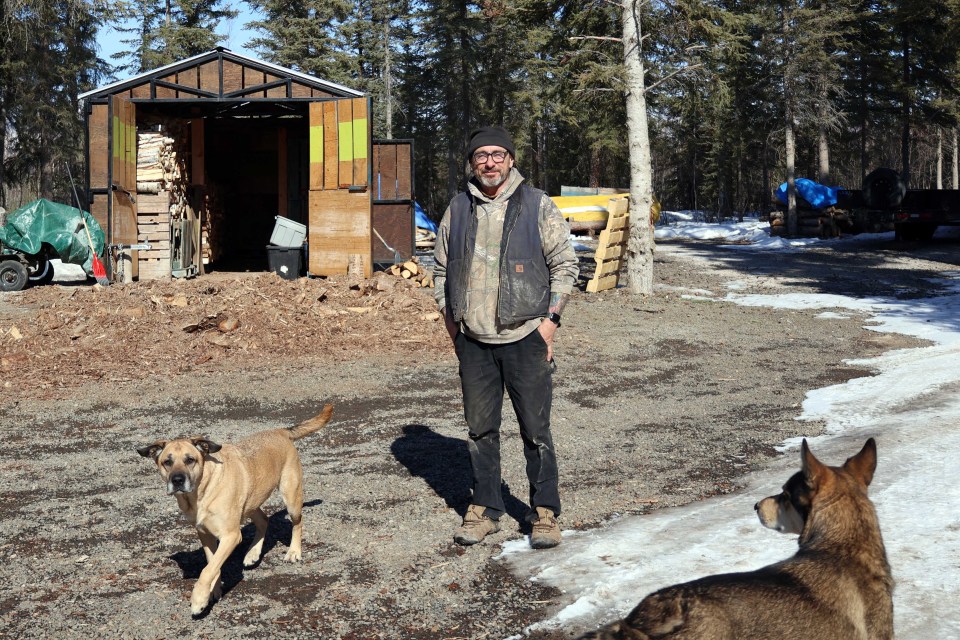
Like Sedley, Chris Chivers says industry plays an important role in his vote.
Advertisement.
Advertisement.
“The history of this town has been resource development and it’s scary to think that we might be near the end of it,” said Chivers, who works as the field superintendent for HRN Contracting.
The Norman Wells oil field, operated by Imperial Oil, is expected to have five to 10 years of life left. For a century, that oil field has been a major source of employment and revenue for the town.
Chivers said the development of natural resources plays a role in his vote.
“Trying to kind-of be independent as a country and develop what we have is huge for me, especially living here,” said Chivers.
He said he feels the Conservative Party has the same values and goals. The Conservative candidate for the NWT, Kimberly Fairman, caught his attention.
“I think she’s a strong Indigenous woman, bilingual, worked at different levels of government throughout the years and I think she’ll be good in Ottawa,” said Chivers.
He said he hopes the next government works to build the Mackenzie Valley Highway but he worries there might not be enough incentive to build it without the development of natural resources.
“For the 3,000 people in the region, it’s not quite viable.” said Chivers.
Advertisement.
Advertisement.
“But if we can piggyback on some of the amazing things that we have here in the region as far as resources, it would be good.”
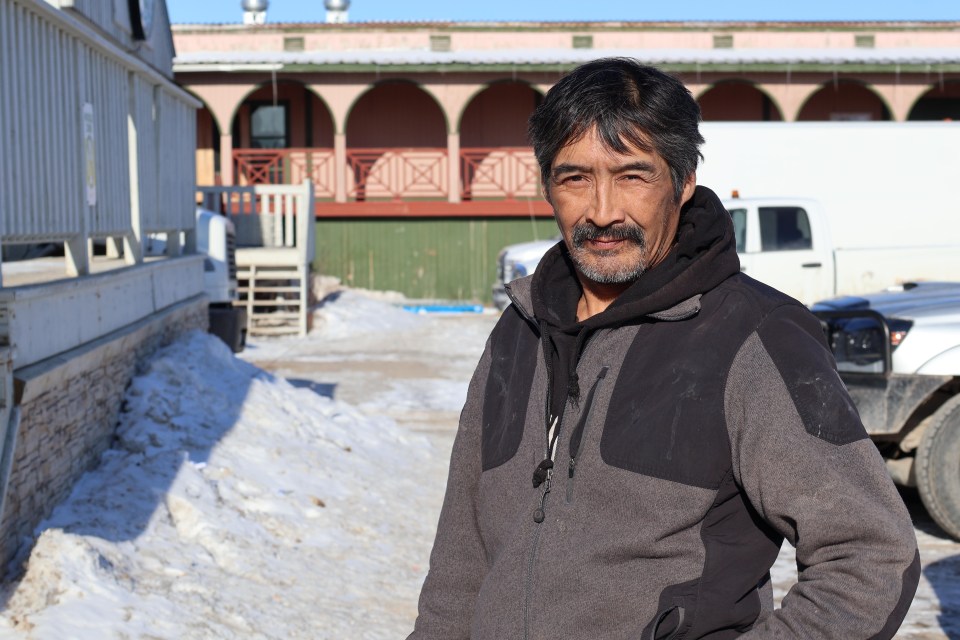
Norman Wells resident Suzanne Hall said NDP candidate Kotchilea is the only candidate in this election that she has heard speak about the Mackenzie Valley Highway.
“He has an intimate understanding of the challenges we face, the costs, the incredible cost of living that we’re facing,” said Hall. “He has experience with understanding what’s going on, and I think that makes all the difference when you can relate to it.”
She said climate change and its impact in Norman Wells are a big concern for her, while the 2025 barge season is still up in the air.
“On the heels of everything that happened last fall, we need to make sure that we have someone who will stand up at the federal level for us,” said Hall.
While she didn’t attend all the events in town, she said she was “impressed” to see candidates from major parties visit the community.
“That’s not the norm for the feds,” said Hall.
Resident Kelsey Henderson, a transplant from British Columbia, said being in the community is important to understanding the issues it faces.
Advertisement.
Advertisement.
“I really feel like you don’t know what it’s like to live up here until you live up here. It’s a totally different world once you’re in the North and that’s hard to make people pay attention to, because we’re tiny,” said Henderson.
“Northern communities are so important to the ecosystem of the rest of the country, and I think that’s hard maybe to understand until you’re up here to see it.”
Claire McFarlane is travelling the Northwest Territories to hear from residents across the territory ahead of election day, including time with each of the major parties’ candidates as they campaign.
To date, that has involved reporting from Hay River with the Fairman campaign and from Inuvik with Kotchilea. Claire now heads to Whatì and Fort Simpson before election day on April 28.
Travel costs associated with this reporting are funded by the Covering Canada: Election 2025 Fund.
