


The oversight board for the cleanup of Giant Mine says it remains convinced arsenic trioxide dust at the site can be safely extracted and stored.
Approximately 237,000 tonnes of the highly toxic dust, which was produced by the historic roasting of gold ore, is stored in underground chambers at the former mine site on the edge of Yellowknife.
While work is currently underway to ensure the dust stays secured underground, the Giant Mine Oversight Board – an independent body that monitors remediation of the former gold mine – is researching several potential options for permanent solutions.
In the oversight board’s recently published 2024 annual report, chair David Livingstone raised concerns that the federally-led Giant Mine Remediation Project is more focused on barriers to extracting and treating the dust than solutions to those barriers.
The remediation project’s current plan to prevent water from entering the underground chambers – as the dust is highly water soluble – is to freeze the ground around and inside those chambers using thermosyphons. Chambers that have yet to be frozen are protected by continually pumping out mine water before it enters them.
Advertisement.
Advertisement.
Livingston said in the 2024 annual report that, at times, the project team “may have slipped into the mindset that the ‘freeze in place’ method is a permanent rather than temporary measure.”
Following an environmental assessment in 2013, the Mackenzie Valley Environmental Impact Review Board concluded freezing the underground chambers should only be a temporary solution for a maximum of 100 years, beyond which a permanent alternative to address the arsenic dust will be needed.
The oversight board said it expects a permanent solution will include extracting the dust, transforming it into a product much less likely to release arsenic if exposed to the water or air, and storing that product. A permanent solution must also consider management of any residual dust that cannot be recovered and treated, the board said.

The oversight board said work by the remediation project in 2024 to seal off access to the underground and backfill the underground chambers with cement paste could affect workers’ ability to extract the dust in future, if a better solution is found.
Advertisement.
Advertisement.
The implications of the 2024 work are currently unclear, the board said.
The board added the remediation project’s plans to deposit arsenic-contaminated waste – including waste from the decommissioned roaster – underground and freeze it “may present a significant engineering challenge and steep cost” if a permanent solution is implemented.
The remediation project team told Cabin Radio in a statement it plans to provide a formal response to the oversight board’s annual report “in the coming weeks.”
The project noted closing and backfilling the underground chambers was part of a closure and reclamation plan for the former mine site. It added that freezing the chambers is reversible – to allow for the potential future removal and disposal of arsenic dust – while construction of a portal is being discussed to provide long-term underground access.
Second phase of glass research
Providing an update on its research program, the oversight board said it plans to fund a second phase of vitrification, or turning the dust into glass, in 2025.
That will include testing a range of “recipes” for producing the glass, such as replacing some sand with mine tailings, then selecting the best recipe and putting the glass through a series of tests.
The oversight board said previous glass made through vitrification has performed well in leachability tests. It said questions remain around extraction, how much glass would be produced, and how the glass may be stored.
Other ongoing research projects are examining turning the dust into a material that won’t dissolve in water, using naturally occurring bacteria to produce sulfide to help stabilize arsenic, and trapping dust in a cement paste.
Advertisement.
Advertisement.
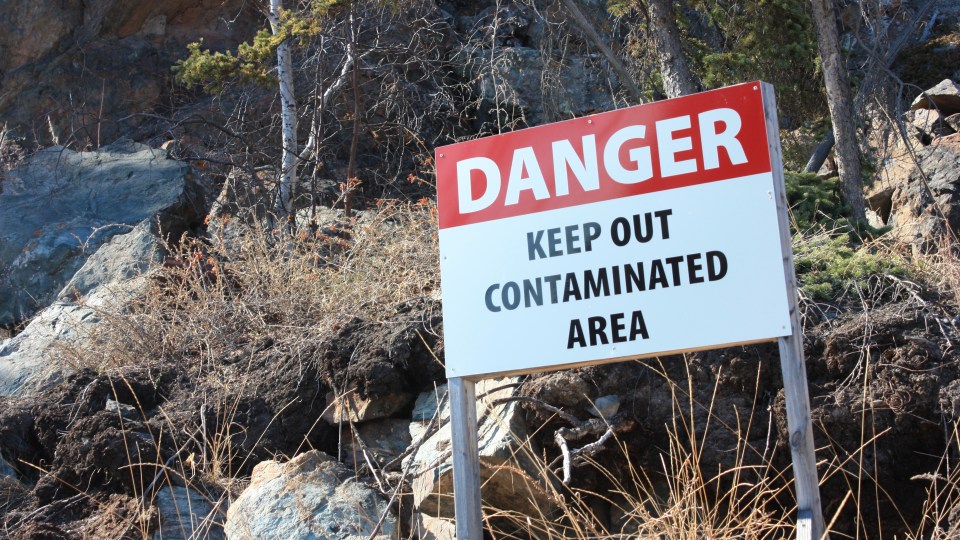
Remediation of Giant Mine, one of the most contaminated sites in Canada, is projected to cost taxpayers $4.38 billion. Some aspects of the site will require indefinite care.
The oversight board said it expected a perpetual care plan to be complete no later than June 2020, in accordance with an environmental agreement.
The remediation project, however, awarded a $1.89-million contract to create that plan to ERM Consultants last year, with an end date of March 31, 2027.
According to the oversight board’s annual report, the remediation project said it did not meet the 2020 deadline as it does not believe a perpetual care plan is needed before reclamation is complete.
The board said delays in that plan could mean lost opportunities to appropriately adjust the remediation plan.
Communication concerns
The oversight board, in its latest annual report, further highlighted concerns about communication with the remediation project, saying decisions are being made without robust public engagement.
The board said, for example, the decision to close the underground was not shared with the public until it was complete. The board further argued it has not been clearly explained to the public that one-third of the site will not be remediated, and what implications that could have for future land-use planning and arsenic exposure.
The oversight board said there is also a lack of public awareness about upcoming boat launch closures.
Advertisement.
Advertisement.
The remediation project plans to close the sailing club site for remediation from July 2028 to May 2030, during which time the sailing club and public will share the existing public boat launch.
The public boat launch and parking lot are then expected to be closed for remediation from May 2030 to June 2038, during which time the sailing club will be re-opened as the interim public boat launch.
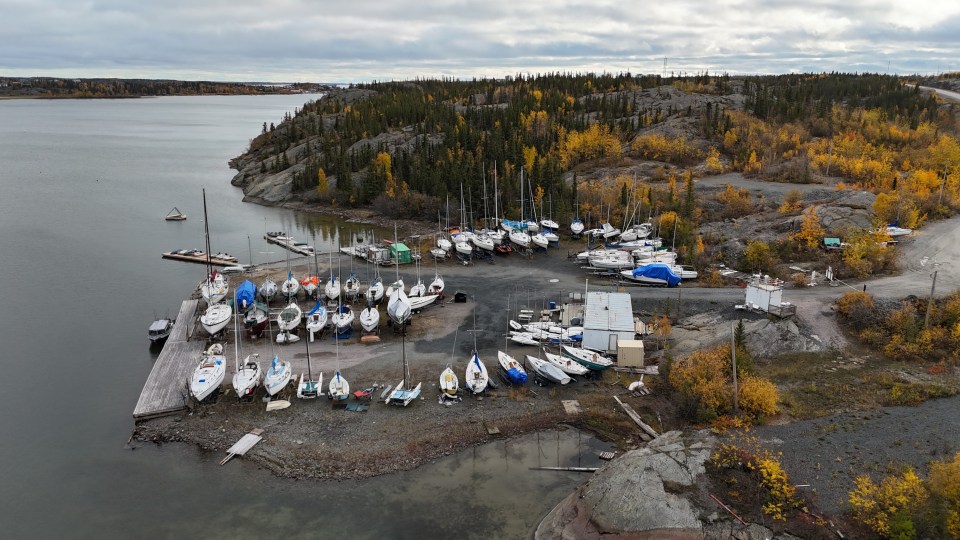
The oversight board said those planned closures were communicated at one dedicated engagement session in 2024 that was poorly attended. It raised concerns about where the boating community will park and where sailing club members will store their boats during the closures.
“As 2028 approaches, it becomes more urgent that the entire boating community has opportunities to meaningfully engage with the project team’s proposed plan,” the board stated.
The oversight board said some communication breakdowns with the project can be attributed to how siloed the different components of the project have become.
“Effective engagement requires that all parties show up to the table ready to talk and to embrace an integrated, rather than a siloed, approach to the project.”
Remediation project defends public engagement
In a statement to Cabin Radio, the remediation project team pushed back against criticism of its communication efforts.
The project said it hosted approximately a dozen site tours in 2024 and brought Yellowknives Dene First Nation and North Slave Métis Alliance members on a tour of Yukon’s Faro Mine as part of engagement on revegetation at the Giant Mine site.
The statement added the remediation project hosts an annual public forum, attends the annual spring trade show and geoscience forum, regularly posts newsletters, has developed an information webpage on dust and holds monthly meetings with the City of Yellowknife and Yellowknives Dene First Nation.
“It is also important to note that, as the project continues to progress, there are fewer decisions to be made, which in turn means engagement will continue to shift more toward communicating progress on implementing decisions made as result of engagement at an earlier stage,” the project team stated.
