



Advertisement.
Tłı̨chǫ Elders and community members gathered at the former Rayrock Mine site earlier this month to celebrate progress on remediation work.
According to a recent press release from the Tłı̨chǫ Government, Elders shared stories, participated in a site blessing and learned about work to restore the land and water in late June.
“We like what we see and we don’t need to be afraid of it anymore,” Elder Alphonse Apples was quoted as saying.
Elder Marie Adele Football shared stories about living at the site as a child. She said she hid her doll before leaving, which was recently recovered.
Advertisement.
Advertisement.
“It is another way of getting back to the land – something lost years ago that is now coming back,” stated Violet Camsell-Blondin, manager of lands regulation for the Tłı̨chǫ Government.
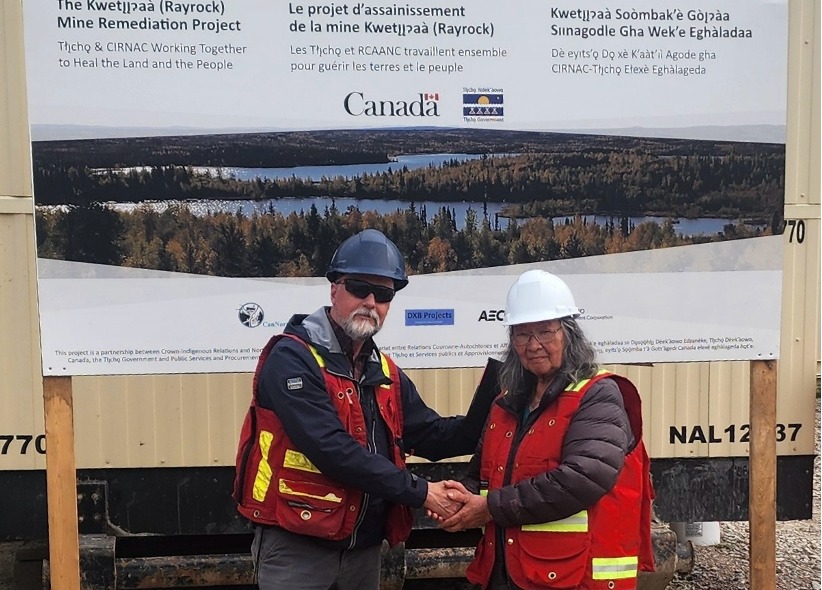
The Tłı̨chǫ Government said the ceremony reaffirmed its shared commitment with the federal government to protect Kwetı̨ı̨ɂaà for future generations.
In Tłı̨chǫ Yatıì, Kwetı̨ı̨ɂaà means “where rock projects outward and into the water that flows by.”
The event included the unveiling of a new partnership sign between the governments.
Advertisement.
Advertisement.
History of the mine, remediation
Rayrock Mines Ltd operated the former underground uranium mine, located on traditional Tłı̨chǫ territory approximately 75km northwest of Behchokọ̀, between 1957 to 1959. The company closed the mine after failing to find a significant quantity of uranium ore.
The federal government took over the site after it was abandoned and, in 1996, remediated the area to standards set at the time.
In 2017, however, the federal government confirmed that further remediation work was needed. Between 2018 and 2020, the Tłı̨chǫ and Canadian governments developed a remedial action plan together.
The shared goal of that plan is for Tłı̨chǫ to feel comfortable returning to traditional land use practices in the area.
The Tłı̨chǫ have shared concerns about potential impacts from the mine on the health of mine workers and families who lived near the site during mining, as well as the environment downstream.
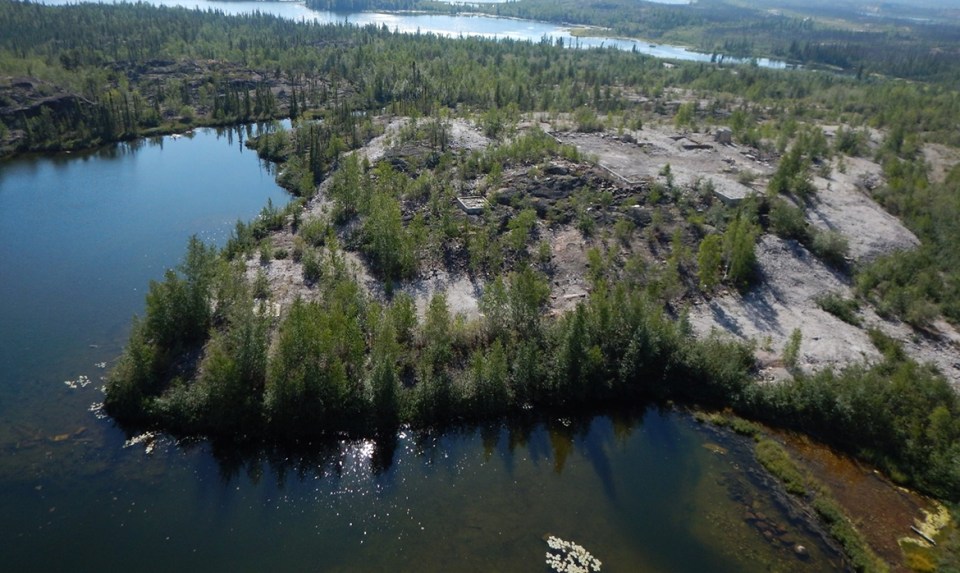
Active remediation of the site began in 2024 and is expected to take three years, followed by demobilization and site closure. Remediation work is expected to include cleanup of sediment in Mill Lake, covering and capping tailings, capping waste rock and waste removal.
The Tłı̨chǫ and Canadian governments plan on developing a long-term monitoring program to ensure remediation is working.
According to the Tłı̨chǫ Government, ongoing monitoring has confirmed that fish are safe for consumption and new vegetation is thriving. It said Elders and youth will help select native trees and shrubs to restore the area.
The Tłı̨chǫ Government said following remediation, most of the site will be open save for engineered areas such as a containment disposal facility.
The site will remain the responsibility of the federal government, likely in perpetuity.
