


Yellowknife councillors are supportive of plans to rename the city’s main street to Wııl̀ııdeh Avenue.
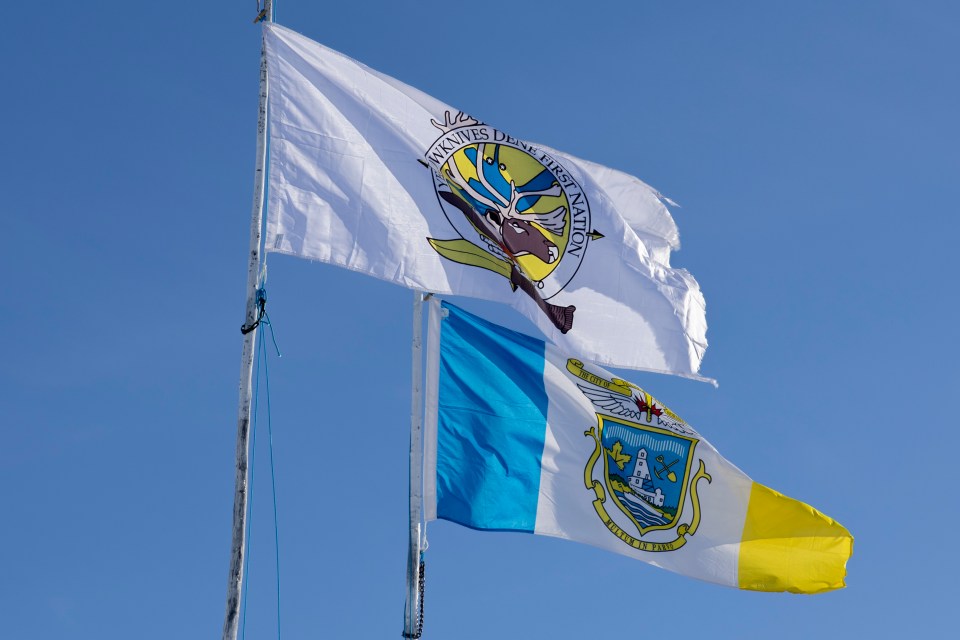
For the past two years, city councillors have discussed renaming Franklin Avenue, also known as 50 Avenue, following a request from the Yellowknives Dene First Nation.
During a Wednesday meeting at City Hall, councillors unanimously passed a motion directing municipal staff to draft a bylaw before the end of August that would enact the name change.
“Through this motion we can move the process forward, we can plan for meaningful change and take another meaningful step on our path to reconciliation merely beyond talking about reconciliation,” Mayor Ben Hendriksen said.
“Place names are very important and the people that we choose to uphold or celebrate,” said councillor Cat McGurk.
Advertisement.
Advertisement.
“While it might seem for some simply a gesture of goodwill, it’s more than that. It does reflect on our culture and our values in our community.”
Stacie Arden-Smith, who is Tłı̨chǫ, said it’s “amazing” to see positive change for the Yellowknives Dene First Nation, which she described as “dear to my heart.”
“I’m really appreciative to see this finally having some movement to it and I’m very hopeful once the name change is complete that we have an amazing drum dance right in the middle of town,” she said.
Councillors Steve Payne, Rob Foote and Garett Cochrane also spoke in support of the new name.
Advertisement.
Advertisement.
The street is currently named after Sir John Franklin, a British naval officer who led a failed expedition that departed England in 1845 in search of the Northwest Passage. He also travelled through the Northwest Territories in the 1820s.
The Yellowknives Dene First Nation previously suggested that Franklin Avenue be renamed to Chief Drygeese Avenue, after Yellowknives Dene Chief Emil Drygeese, also known as Old Man Drygeese or Imeh, who signed Treaty 8 in Fort Resolution in 1900.
First Nation councillors, however, passed a resolution in September 2025 requesting that the street’s name be changed to Wııl̀ııdeh Avenue.
Wııl̀ııdeh Yatı is the traditional language spoken by the Yellowknives Dene.
City councillors must approve the bylaw they directed municipal staff to draft before the new name can take effect.
Payne encouraged businesses that feel they need financial support – to change business cards or letterheads to reflect the name change, for example – to contact council.
City staff have previously explained the work involved in renaming streets including updating the fire department’s software, the city’s website and mapping software, alongside updates to visitor guides and transit routes.
This would not be the first time a street name has changed in Yellowknife. In 2010, the city renamed a portion of 50 Street to Angel Street as part of an initiative addressing family violence.
