


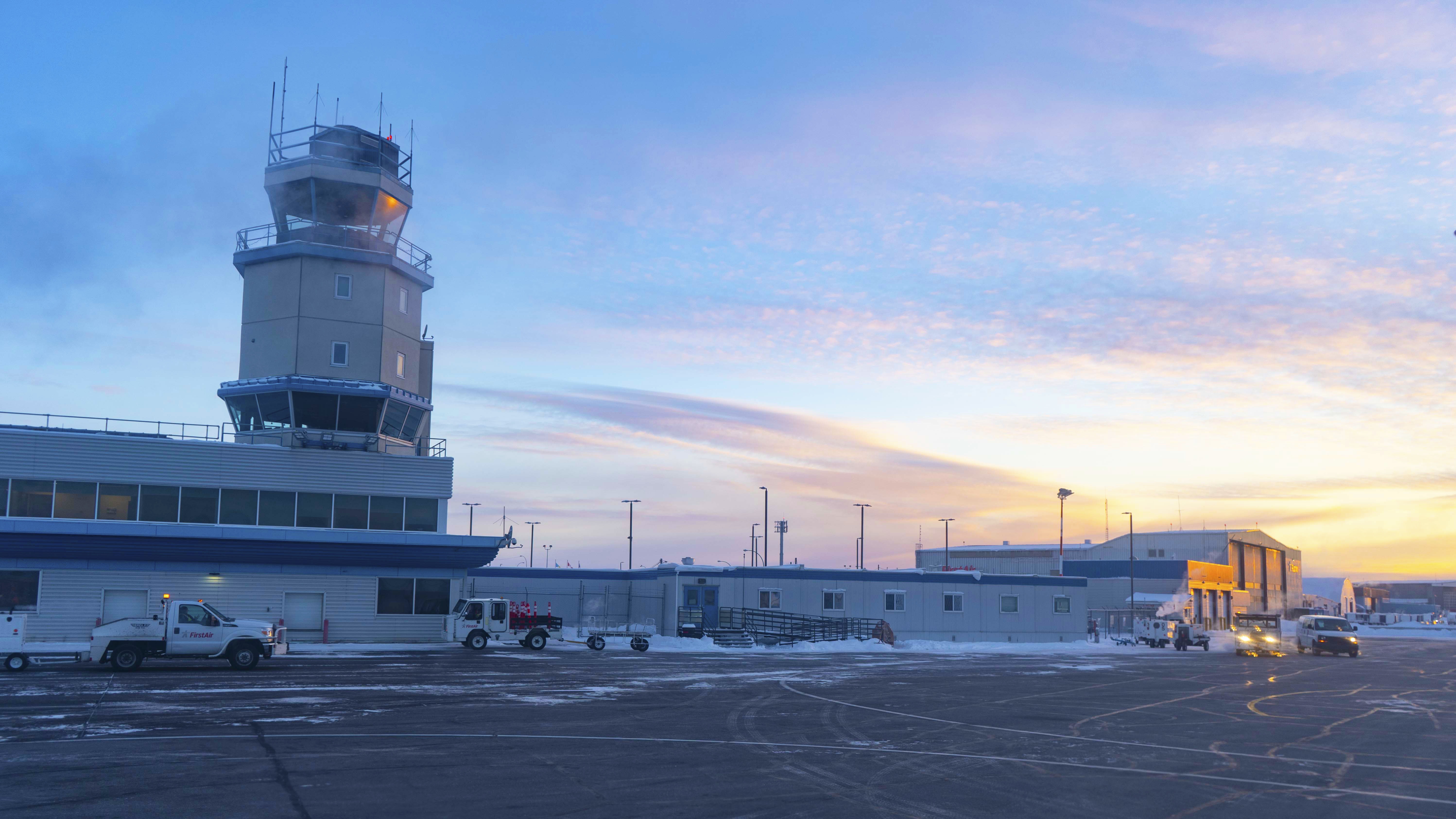
Future upgrades proposed for Yellowknife’s airport include a new terminal and the extension of a runway that could place it among the “top 10 runways” in Canada, NWT officials say.
At a public briefing with MLAs about future plans for the airport on Thursday, Sam Shannon, an assistant deputy minister with the NWT Department of Infrastructure, said the terminal has exceeded its practical and useful life and needs to be replaced.
“It simply wasn’t designed for today’s travellers or today’s aircraft,” he said.
According to the NWT government, the Yellowknife Airport terminal was originally built in 1963 and was last enlarged in 2008.
As the facility ages, Shannon said its operating and maintenance costs are increasing.
Advertisement.
Advertisement.
He highlighted issues including limited accessibility, outdated passenger flow, significant bottlenecks at peak travel times, an inability to efficiently accommodate modern aircraft and a lack of space to expand.
“Taken together, this means continued patchwork upgrades are no longer a sustainable solution,” he said. “What’s needed is a long-term replacement.”
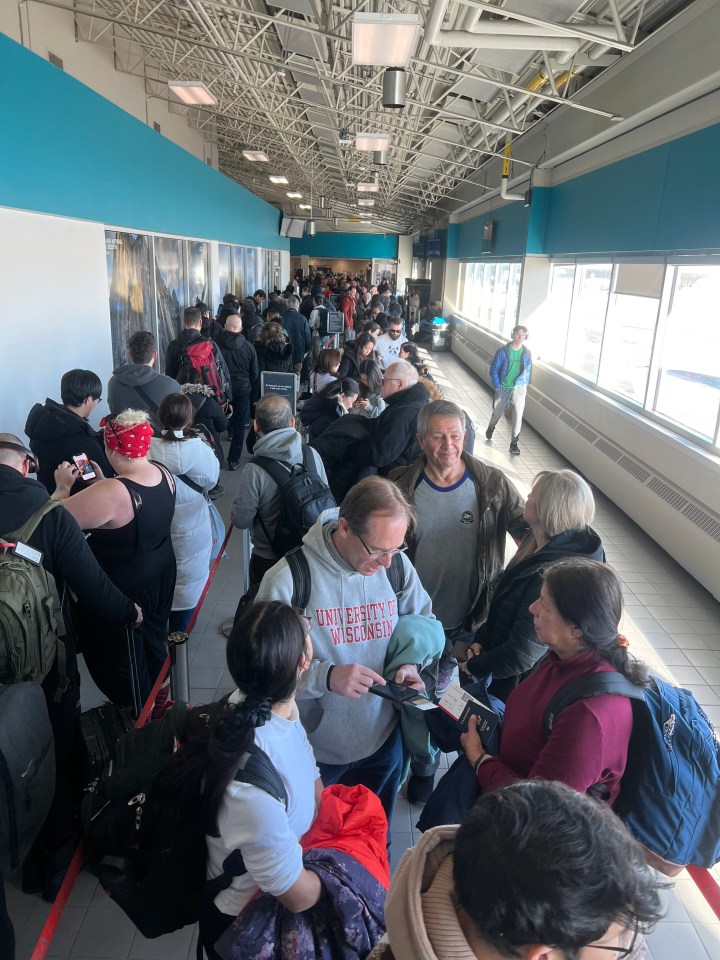
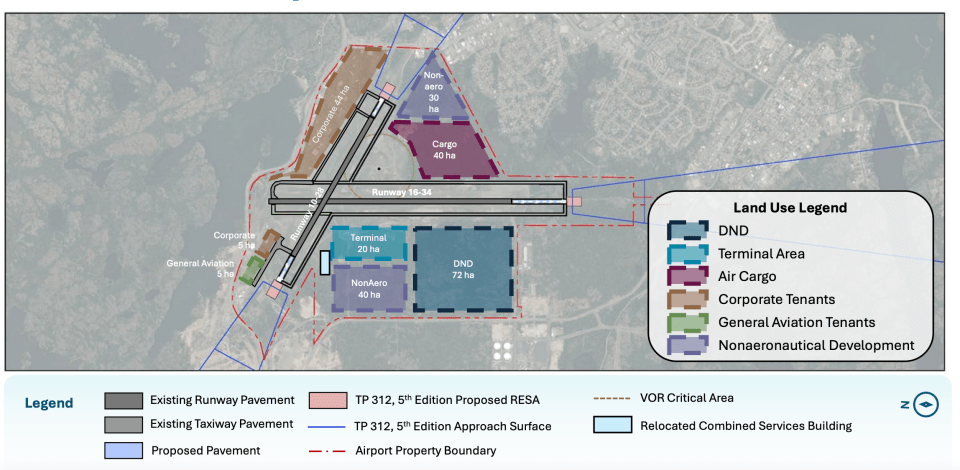
According to Shannon, upgrading or replacing the terminal at its current site would significantly disrupt airport operations and result in “a compromised long-term solution.”
He said analysis has determined expanding to the west would be the best option as it would provide more opportunities to support long-term revenue generation, have a lower noise impact on residential areas and result in shorter taxi times than expanding to the east.
Advertisement.
Advertisement.
Shannon said the federal government has invited the territory to apply to the recently opened Arctic Infrastructure Fund. He said the department plans to seek funding for the next phase of design work on a new terminal, which will include a formal needs assessment, operational plan, and functional program.
He said the department does not yet have specific timelines for work towards a new terminal.
‘Significant’ runway extensions planned
During Tuesday’s briefing, Shannon updated MLAs on the NWT government’s gateway strategy for the airport, as well as a draft land use plan that is being finalized, and expected work related to national defence.
The draft land use plan proposes dedicating 72 hectares to the Department of National Defence, 20 hectares to a new terminal, 40 hectares to air cargo, 49 hectares to corporate tenants, five hectares to general aviation tenants and 55 hectares to non-aeronautical development at the airport.
Shannon grouped proposed future work at the airport into three different streams: work the Department of National Defence will be procuring for their own use, work the NWT government will be delivering on behalf of the federal department, and planning for a new terminal building.
The federal government released a procurement notice earlier this year stating that contracted work could exceed $5 billion in each Yellowknife and Inuvik, including airfield improvements. Both communities have been deemed northern operational support hubs.
Shannon said the territory’s discussions with the federal defence department about the Yellowknife Airport so far have been focused on improvements to runways and taxiways.
The territory recently signed a contribution agreement, he said, under which the federal government has promised to fund design work to extend both runways at the airport, as well as overlay and repair work. He said the procurement process for that work has begun.
Advertisement.
Advertisement.
Shannon said the larger runway at the airport is currently 2,286 metres and the Department of National Defence has told the territory to “plan for extending it as far as possible.” He said that means the runway could stretch from 3,353 to 3,505 metres, which would put it “quite comfortably in the top 10 runways in the country.”
He said the smaller runway could be extended to 2,286 metres, the current size of the longer runway.
“This would open us up to pretty much any aircraft you can imagine being able to land and operate out of YZF,” he said. “So a significant increase.”
The department’s presentation states the arrival of F-35 aircraft is expected by 2030.
The City of Yellowknife has separately decided to sign a contribution agreement with the federal government for engineering design work to extend piped water and sewer services to the airport.
Short-term improvements
Shannon said residents can also expect to see some improvements at the airport in the shorter term.
“There’ll be a lot of activity out there this year addressing several items and then we’ll continue working on these other projects,” he said.
Shannon explained plans for “short-term efficiency” at the current terminal are expected to be less expensive than “trying to expand and push the building out” while doubling the throughput of passenger screening and increasing capacity in the hold room. He said one of the key things the department plans to address is accessibility.
Advertisement.
Advertisement.
Infrastructure Minister Vince McKay added that “there’s still a lot of work to do” at the current terminal.
Shannon said the GNWT has awarded a contract for design work on “long overdue repairs and expansion” of the washrooms at the terminal and has applied to the Canadian Air Transportation Security Authority to get approval for new technology.
Other planned work includes the introduction of a Common Use Passenger Processing System, expected in May; patching of a runway in June, alongside overlay, repairs and drainage work on a taxiway; and patching of the apron at the main terminal in July.
