



Advertisement.
Ensuring northerners benefit from promised federal investments in defence and infrastructure was a key topic of discussion in the NWT Legislative Assembly.
Wednesday was the first day of the legislature’s May-June sitting. It was also the first time MLAs gathered in the house since the prime minister announced a $35 billion Arctic defence plan and referred three NWT projects to the Major Projects Office in March.
“We are entering a period of opportunity unlike anything we have ever seen before in the territory,” Premier RJ Simpson said in his opening statement in the legislature.
He highlighted Ottawa’s increasing interest in northern defence, critical minerals, Arctic research and strategic infrastructure.
Advertisement.
Advertisement.
“Our responsibility as a government is to ensure those opportunities create lasting benefits for northerners,” he said.
“That means strong economies, better infrastructure, goods jobs, and new opportunities for the next generation to build their futures here.”
Simpson said that will require collaboration with Indigenous governments, communities, businesses and non-governmental organizations.
‘Let’s change the narrative’
Julian Morse, the MLA for Frame Lake, stressed the need to maximize benefits for northern residents, saying many of the potential benefits from the diamond boom “flew right over our heads.”
Advertisement.
Advertisement.
“I am fearful that all this time later, these circumstances will repeat themselves if we do not take action to learn from the past and make changes,” he said.
Morse said he wants the territory to ensure northern businesses can benefit from contracts for major projects and for the GNWT to strengthen the Heritage Fund Act to better capture and invest future resource revenues.
He also called for workforce development plans and goals to maximize northern employment.
“Let’s change the narrative this time and ensure we are preparing our territory to maximize benefits from outside investment and ensure that development is something we are fundamentally a part of, not just something that happens to us,” he said.
Great Slave MLA Kate Reid said as the federal government shows interest in investing in the North, she hopes to see more support for social services.
“If we truly want our territory to succeed and if the rising tide of the federal investment is going to raise all ships, we must ensure that we are also raising northerners with the least and those who are fighting the hardest battles,” she said.
“We cannot be fully prepared in accessing opportunities for all residents of the NWT without helping some residents heal.”

The premier said that has been “a constant topic of discussion” within the NWT Council of Leaders and in the territory’s conversations with the federal government. He said it was also raised at the Western Premiers Conference.
Advertisement.
Advertisement.
“I’ve said before that I think trauma is the biggest issue that our territory faces,” Simpson said. “What’s the point of having economic opportunities if people aren’t in a place where they can go take advantage of them?”
Reid said she hopes “those discussions can turn into actions in short order.”
In response to Reid’s question if the territory could expect to see a federal funding announcement for housing similar to a recent announcement in the Yukon, Simpson said he “fully expect[s] to see some housing money” come the NWT’s way.
Environmental regulation
Prime Minister Mark Carney has promised significant environmental regulatory changes to fast-track resource and infrastructure projects across Canada.
Simpson said on Wednesday the territory is working with the federal government to “improve coordination and communication, and to identify opportunities that will streamline regulatory processes.”
Shauna Morgan, the MLA for Frame Lake, said that the regulatory system is “often used as a convenient scapegoat when project delays are actually due to other factors such as uncertain financing.”
“It’s easy to paint the regulatory system as the bad guy, the thing standing in the way of our big plans and our future prosperity,” she said.
A study on six major mines in the Yukon published by the University of British Columbia’s Centre for Climate Justice in March found that three of four mines faced multi-year delays or were non-operational because they lacked sufficient financing. It said the fourth mine had failed environmental review.
Advertisement.
Advertisement.
“This shows that regulation was rarely responsible for mine delays and closures,” the study asserts.
The study also said the average annual production of operational mines was 57 percent lower than forecasted during environmental assessments, while average employment was 31 percent lower than projected.
Morgan said she feels there is “legitimate frustration” with the NWT’s regulatory system in “how it often it forces industry or proponents to spend money on the minutiae while seemingly helpless to protect the big picture things that we really care about.”
“We’re missing the forest because we’re too busy counting the trees,” she said, pointing to the decline of the Bathurst caribou herd as an example.
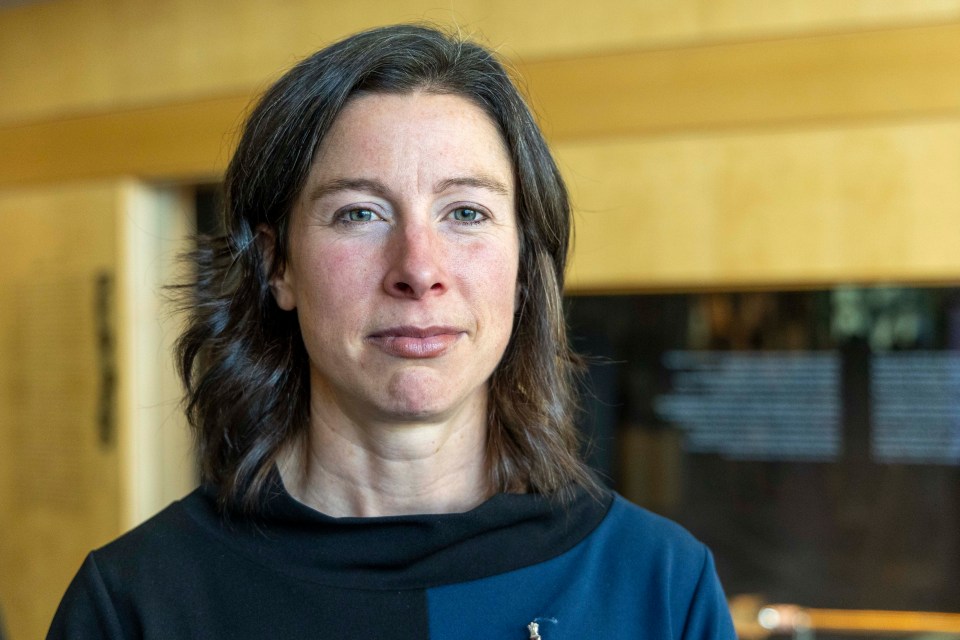
Morgan said she wants the territory to “get serious” about using traditional knowledge and western science on cumulative impacts to “manage projects differently,” including setting hard limits on development.
She said “while some industry and infrastructure proponents will likely be upset” by that idea, there are benefits such as having rules ahead of project planning and reducing regulatory burden while also protecting “big-picture values.”
Environment minister Jay Macdonald said the territory’s cumulative impact assessment program is a key part of environmental assessments.
He said his department is collaborating with land and water boards on information sharing and working to develop “some tools” he hopes will be part of a pilot project.
Advertisement.
Advertisement.
The GNWT is currently working on policy documents to guide the development of all-season roads through caribou habitat, Macdonald said. He added the route for the proposed Arctic Economic and Security Corridor has yet to be defined and caribou are “top of mind” for the territory and Indigenous governments when assessing impacts.
Morgan also asked for an update on the status of a regional strategic environmental assessment for the Slave Geological Province that was approved in 2023.
Macdonald said that had “never got off the ground in a meaningful way” and resources for the assessment have been reassigned to Indigenous governments to “address and work on areas of concern” related to the Arctic Economic and Security Corridor.
Permitting for the Mackenzie Valley Highway
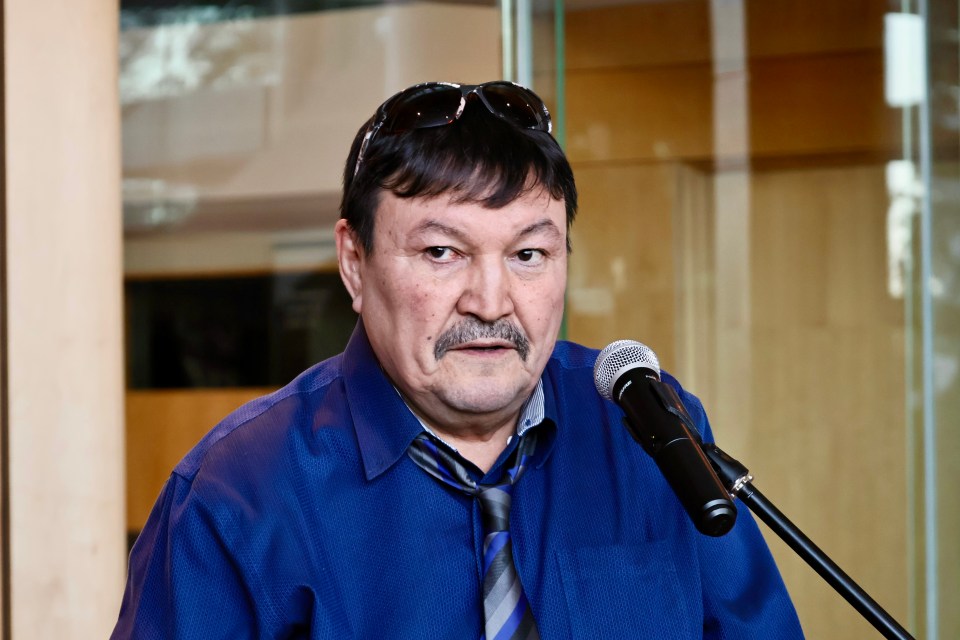
Sahtu MLA Danny McNeely said the territory needs to “put more words into action” now that the proposed Mackenzie Valley Highway has been referred to the federal Major Projects Office.
He said preparing for the project requires meaningful consultation with Indigenous governments and “modern treaty holders require more than slogans and press releases.”
McNeely also questioned how residents in the Sahtu region will benefit from the highway project during an event with federal industry minister Mélanie Joly in Yellowknife last week.
In the legislature on Wednesday, he raised questions about land and water permits to complete the Prohibition Creek access road and Great Bear River bridge in the Sahtu as part of the proposed Mackenzie Valley Highway.
He pointed out the land use permit for the access road expired late last year.
Caroline Wawzonek, NWT’s minister of strategic infrastructure, energy and supply chains, said the territory was working to ensure the Mackenzie Valley Highway has a “speedy and thorough and smooth … permitting process for its entirety.”
She added the territory has applied for funding from the Arctic Infrastructure Fund for the project.
Carney has said work on the highway could start as soon as this summer with planned initial work including relocation of the Oscar Creek bridge, realignment of Christina Creek and realignment of Highway One.
NWT MP Rebecca Alty has said the federal government is repurposing funding previously allocated in 2019 to support that work.
