


One year ago, Polar Egg changed hands – and its new owners got cracking on big plans for your plate.
Last January, owners Kevin, Glen and Michael Wallington sold Polar Egg, an egg production farm in Hay River, to BC egg farmers Matt Vane and Jeff Bisschop.
After a year of preparation, Vane says northerners can expect to see their eggs in stores throughout the NWT in two weeks’ time.
“We are hitting many stores in the next couple weeks,” said Vane. “To what degree, I’m not sure. Customers are going to have to sort-of feel us out a little bit.”
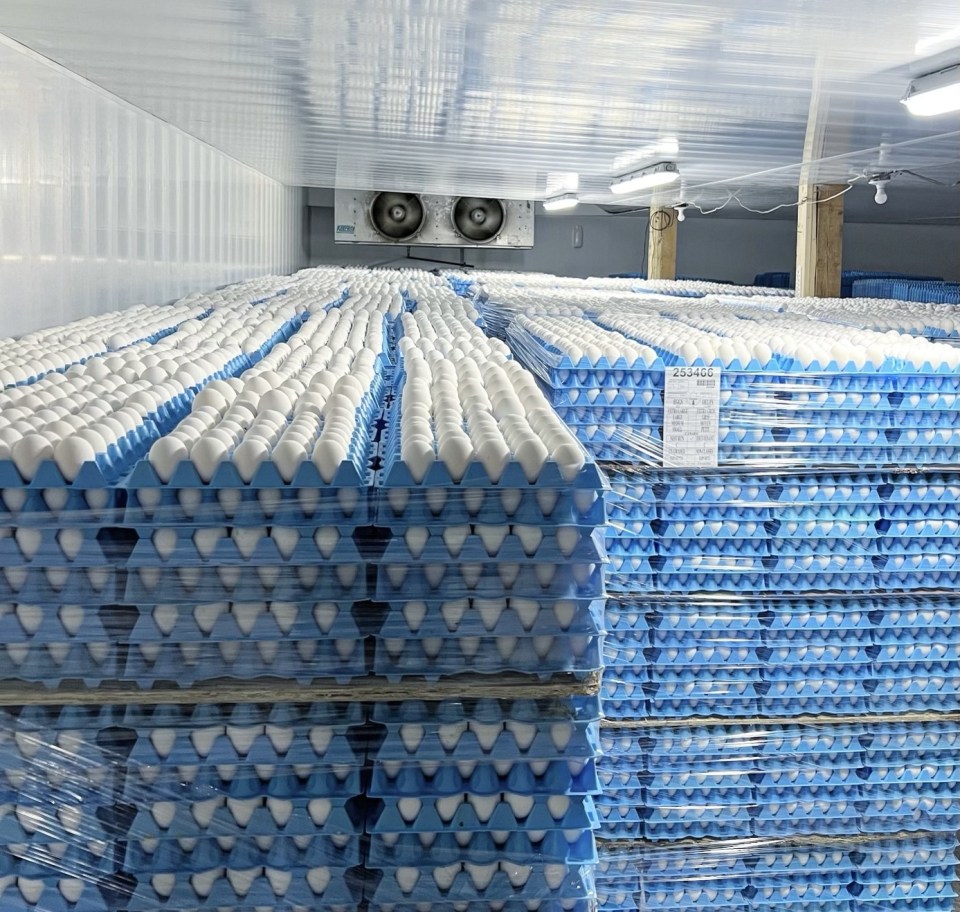
Polar Egg’s partners include the North West Company, which will stock the eggs in 20 NorthMart chains across the territory.
Advertisement.
Advertisement.
Production has reached around 50,000 eggs per day, with plans to grow.
While Vane and Bisschop currently run two egg production farms, one in Hay River and another in BC, Vane says the goal is to increasingly spend time at the farm in Hay River.
“We’re building a brand-new barn up there,” Vane said. “That should be ready by spring of 2025.”

Once this is complete, Polar Egg will increase its capacity for birds, which will, in turn, raise the egg yield.
Advertisement.
Advertisement.
Michael Wallington, one of the previous owners, remains in touch with the new owners regarding the regulatory side of operations, according to Vane.
“Our family was proud to be egg farmers. We decided to transition out,” said Wallington. “The industry is in great hands and we look forward to seeing what they do going forward.”
“Our passion is farming,” said Vane. “We get to bring the world’s greatest source of protein to people in the territory. So, it’s a farm dedicated to serving the needs and the egg requirements of the Northwest Territories.”
