



A survey is asking northerners what they want to see next for Hay River’s 260 acres of vacant farmland that was once the site of the Northern Farm Training Institute, or NFTI.
The Town of Hay River commissioned the survey from the Territorial Agri-Food Association, or TAA, as part of plans to re-establish agricultural practices on the land.
“This is the first step toward figuring out what needs to be done,” said Janet Dean, executive director of TAA. “It’s a good step because it means from the get-go that people’s opinions are being considered.”
The former NFTI land, located 10 km south of Hay River, has been a point of contention since the non-profit dissolved in 2019. At its prime, NFTI was an ambitious initiative that led training and workshops on northern agriculture.
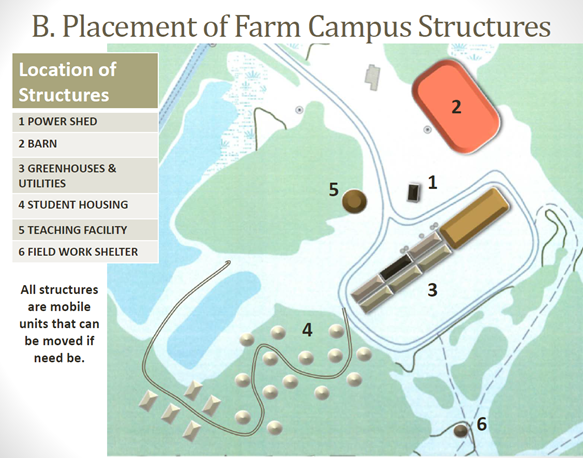
Between 2019 and 2022, NFTI’s founder and director, Jackie Milne, continued farming on the land, which included livestock and vegetable production. Milne has since left the territory and the town terminated its lease with NFTI in early 2023.
Advertisement.
Advertisement.
After operations ended, fires and floods delayed the town’s hope to return agriculture to the land.
“This was our goal for quite a while – when NFTI stopped using the land – to repurpose it for agriculture. So that’s always been on our radar,” Patrick Bergen, Hay River’s assistant senior administrative officer, said.
“The purpose of this land has always been for agriculture and we want to keep it that way … We need to make this a priority.”

The new survey aims to hear from residents across the NWT to learn what is most needed on the site — whether it be agricultural training, small-scale operations, experimental projects, or another vision, Bergen said.
Advertisement.
Advertisement.
Dean from TAA said they want to hear from “everybody” in their survey.
Northern food growers can face many obstacles such as access to farmable land, and high power costs and taxes. Still, Dean said, there’s many opportunities to grow food across the territories.
This one site is just the beginning, she said, and it’s a good place to start.
“We need more food produced in the North and that region, that area has long been a food production center for the Northwest Territories,” Dean said. “We’d like to see that continue.”
Beyond the survey, TAA plans to hold consultations on the ground and connect with neighbouring Indigenous communities before presenting their findings to town council at the end of March.
The former NFTI land was hit by last summer’s wildfires, burning down nearly all structures on the property.
Seeing how natural disasters have disrupted the supply chain these past few years has demonstrated the importance of food security in the North, Dean said.
“We need to be able to make this good quality food available to people everywhere in the North,” she said. “By growing it here and teaching people to grow it here, and innovating new ways of growing in the North – all of that makes it a lot easier to have food available.”
Advertisement.
Advertisement.
Reconciling with the past and planning a future go together, according to Dean, who said it’s important to look back at NFTI’s operations in order to take lessons forward.
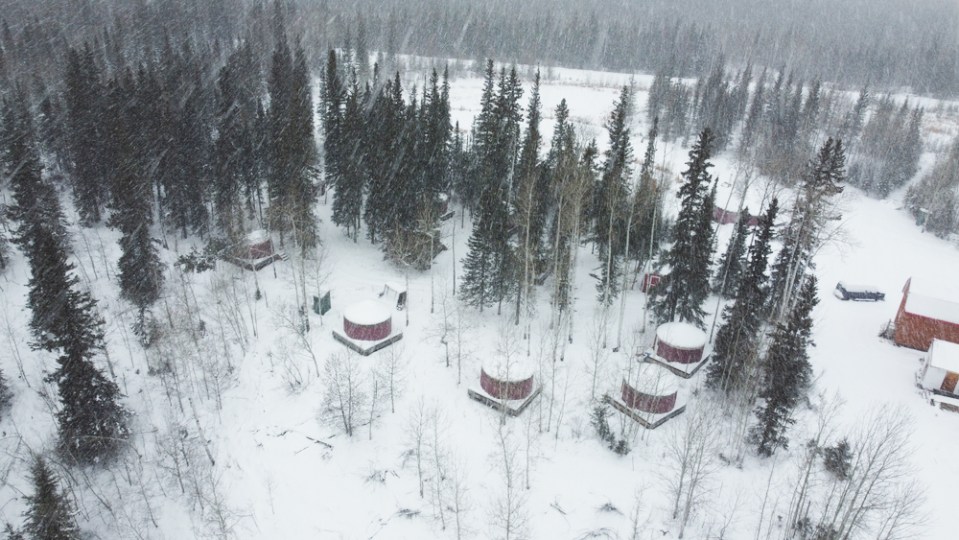
“Back in the day, the concept was a great concept,” Dean said.
“How do we make sure that we meet that kind of mandate to influence food sovereignty, food security, but we make sure that we don’t just repeat what’s already been done?” Dean continued. “[The town] thought the best way was to get input from people on their ideas and what they would support.”
Bergen said while a timeline is unclear, it’s possible they could resume agriculture on the site by 2025.
Milne, however, told Cabin Radio that she doubts the land will be used for agriculture in the future as she believes it “has been coveted” by developers.
“That facility was built to help the most disadvantaged people of the Northwest Territories, the First Nations people,” Milne said. “They will say that’s what they want. But what they really want is they just want land so they can flip it.”
Bergen said the town council is “100 percent behind this being agriculture.”
