



For a weekend, Yellowknife is the heart of Canadian girls’ hockey. The sport’s leaders hope the effects last a lifetime.
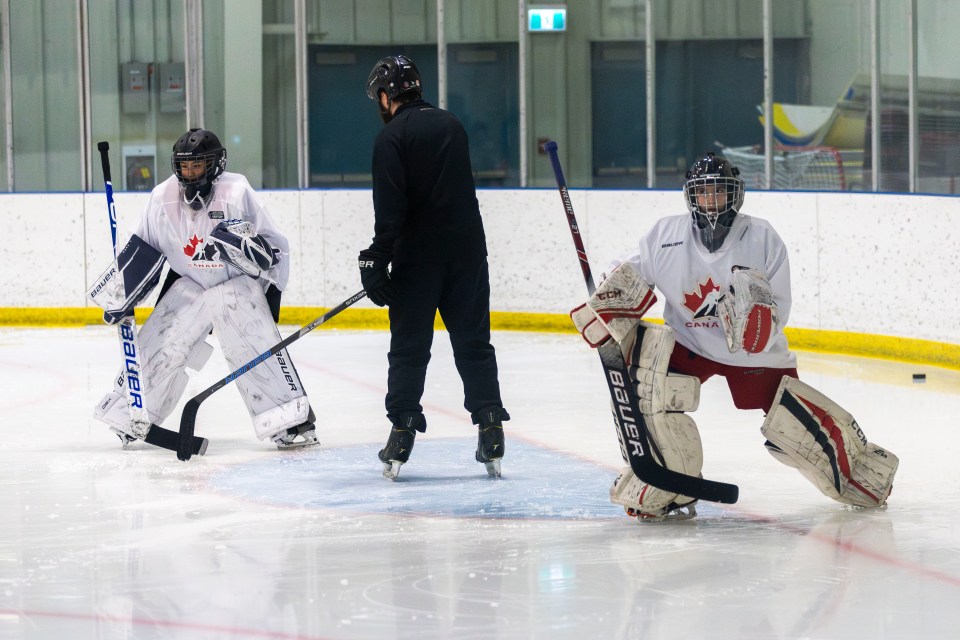
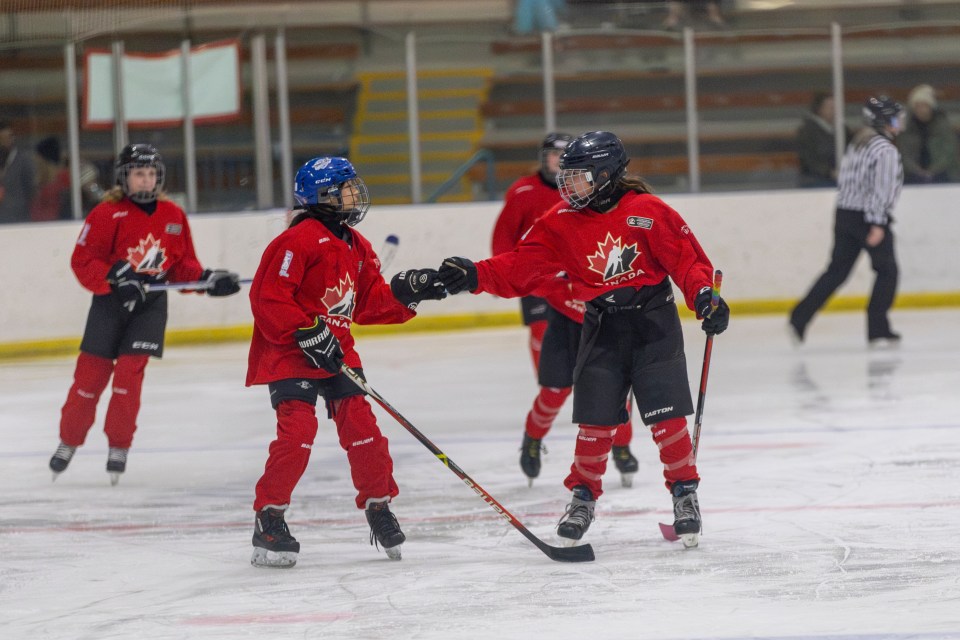
Hockey Canada has sent 20 staff to the Northwest Territories to help run a four-day camp named One for All, part of a nationwide effort to ramp up girls’ programming as the Professional Women’s Hockey League takes off.
Around 200 girls from Yellowknife, four regions of the NWT and Nunavut are in attendance. It’s the first time Hockey North has organized a mid-season weekend of wall-to-wall girls’ hockey.
The professional league, known by its initialism the PWHL, is less than two months old. Adults who lived through harder times as women in hockey can feel the league’s momentum wash over the camp.
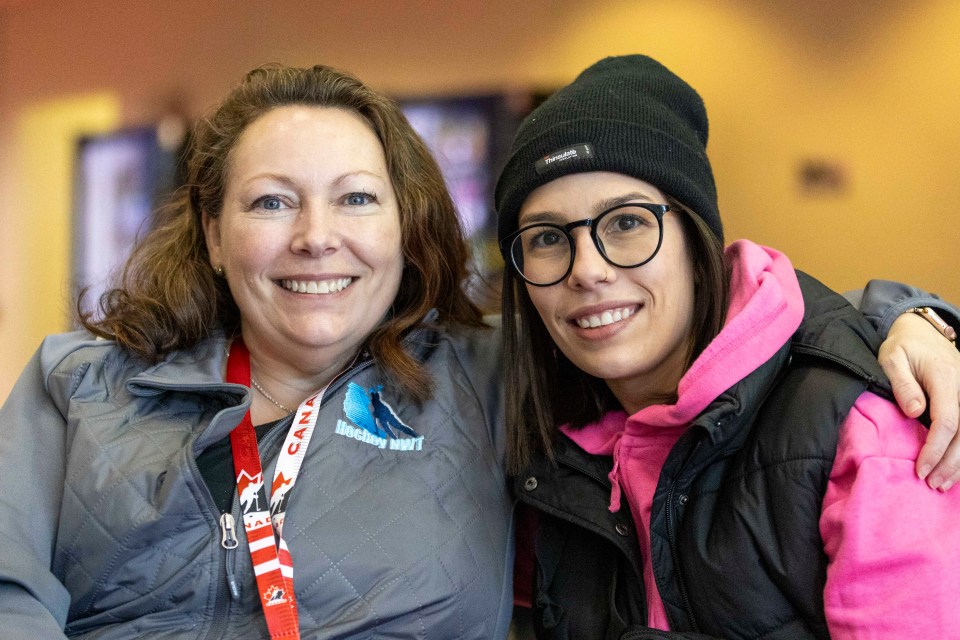
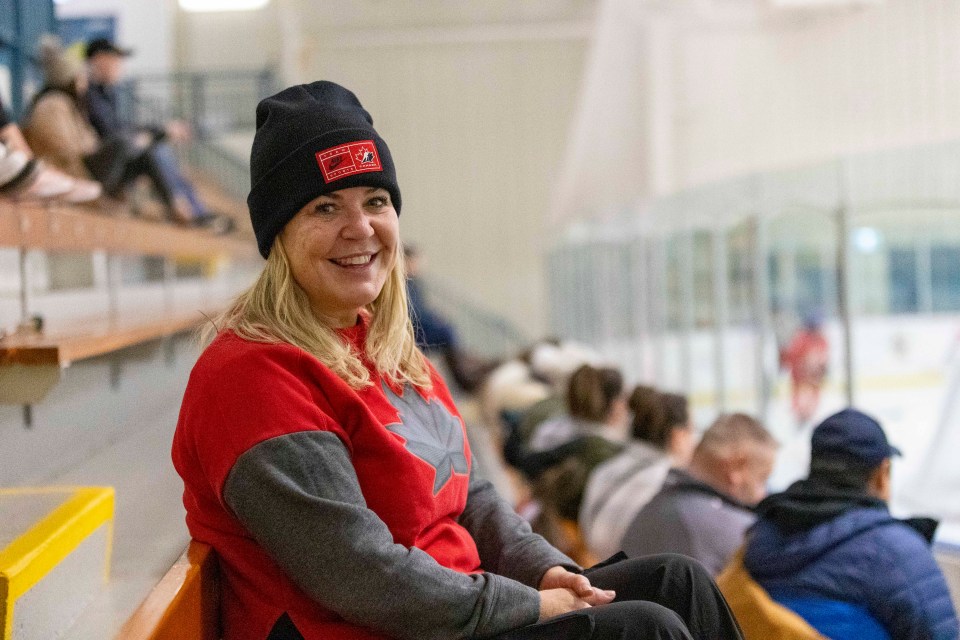
“It shows girls where they can go in life,” said Kacee MacLean of the league – and the camp, which counted Olympic gold medallists Meghan Agosta and Cherie Piper among its attendees.
Advertisement.
Advertisement.
“When you feel you don’t have that mentorship, or you don’t see those heroes, you don’t feel like there’s the possibility you can do it,” continued MacLean, who said she was barred from playing hockey as a child. “There’s that possibility now, and it gives girls hope.”
Katie Armstrong started in Yellowknife’s women’s hockey league two years ago. She loved watching a team of players from the women’s league face Team Nunavut and Team NT as part of the camp, playing against “young ladies who could potentially join our league eventually.”
“I didn’t have that opportunity. I started as an adult,” Armstrong said. “It’s really awesome to see we can help young girls and women get to the point where they’re potentially going further in life.”
Previously, “further” wasn’t very far.
Advertisement.
Advertisement.
As a woman, you could play hockey at university and potentially aim for the NCAA in the United States. Beyond that, you needed to be in the top two-dozen players in Canada to have a hope of reaching the tiny pinnacle represented by the Olympic women’s team.
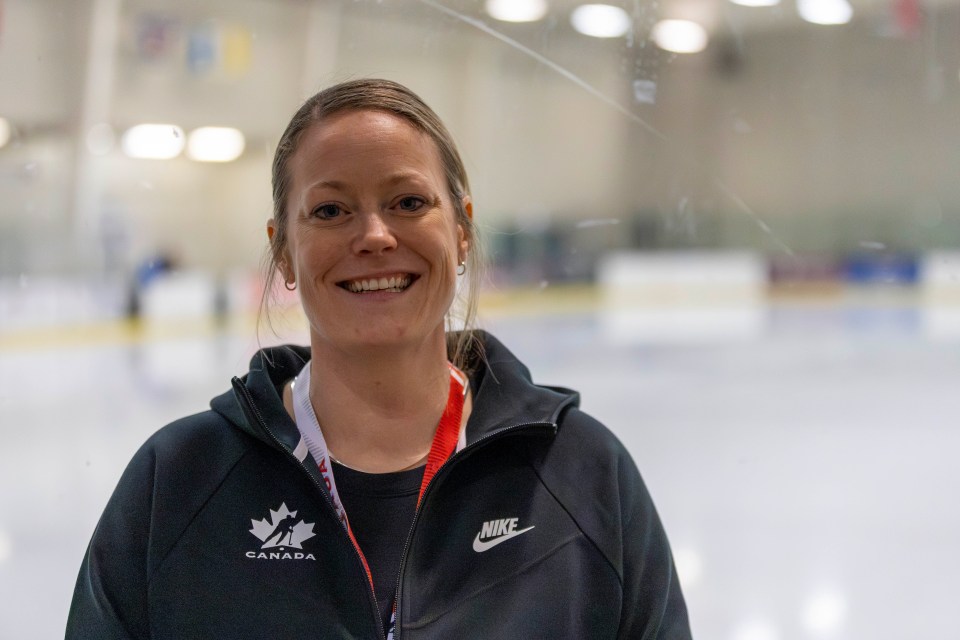
With the PWHL in place, “you’ve got a path,” said Marin Hickox, who is Hockey Canada’s vice-president of women and girls’ hockey. Her role did not exist two years ago.
“What the Professional Women’s Hockey League has done is kickstart that fuel, that fire for girls in their hearts and their minds,” she said.
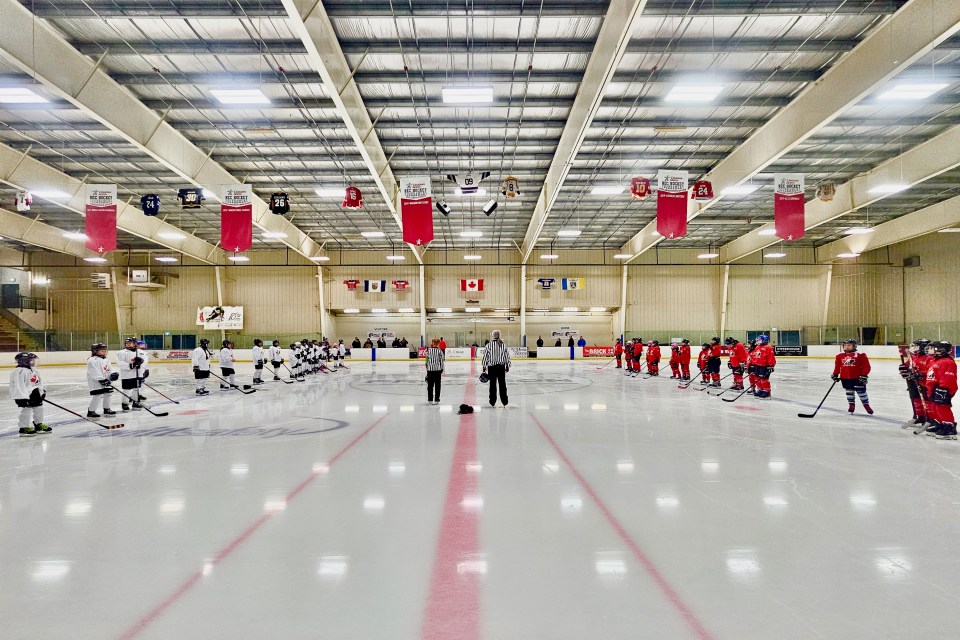
This week’s camp included “global games” on Saturday, part of an initiative run by world governing body the IIHF. Every participating country plays a game at roughly the same time between Team Blue and Team White, and the results of each country’s game feed into one giant worldwide scoreline.
Canada is holding games across the country as part of the Global Girls’ Game, but only the Yellowknife score was sent to the IIHF. Hickox said it had been nominated as Canada’s “signature game” this year.
Hockey Canada chose Yellowknife – both as its lead game for IIHF purposes and as the new One for All camp’s inaugural venue – after hearing from NWT-based coaches and organizers like Kaylee Grant and Shakita Jensen, Hickox said. They told her they wanted to do more but didn’t have the capacity or the resources.
“What if we came?” Hickox recalled thinking. “What if we brought a 20-person staff and we planned and worked with you to put on four days of programming? We asked the what-if and it was met with a resounding ‘hell yeah.’ That’s honestly why we chose Yellowknife.”
She noted the NWT has also faced “intense challenges” like the pandemic, floods and wildfires.
Advertisement.
Advertisement.
“We wanted to help girls re-engage with the sport if they’ve walked away, help those girls that are still in the sport continue with it, and perhaps give an opportunity for those that haven’t had an opportunity to pick up a stick,” Hickox said.
“We’ve been really happy with the reception here in Yellowknife, and I can assure you we will be back.”
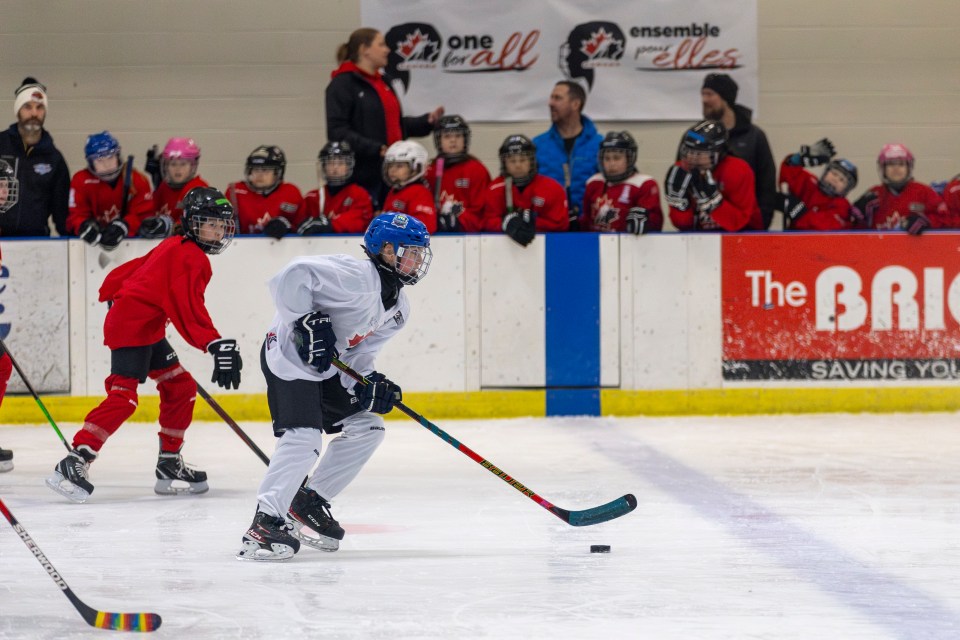
Between the allure of the PWHL (a watch party for a game was held at the camp on Friday) and the chance to take part in a major camp, enthusiasm for girls’ hockey is reaching a new level in Yellowknife.
MacLean, who is also a Hockey NWT board member, said 45 girls had signed up for First Shift, a program that formed part of the camp and introduced girls to the sport for the first time.
The challenge now is to capitalize on that and accommodate everyone who just had their first taste of the game.
“Female hockey is getting its momentum and its stride right now. We see an increase in females registered in Yellowknife every year,” said Grant, who went on to help organize the camp after her initial conversation with Hickox.
“We’re looking at almost 40 girls registered in the under-nine category and lower. We’re at 130 to 140 kids registered in Yellowknife minor hockey alone, female players specifically. Arctic Winter Games trials, we were almost at 40 girls when normally we’re at 15, 16.
“We’re having more female programming, we’re having more female coaches, we’re having more female mentors, more female refs. It’s really powerful to have this weekend, to help push it forward into next season.”
Advertisement.
Advertisement.
Hickox said part of her job involves talking to “all forms of government” to ensure the game is supported from all sides, while making sure Hockey Canada continues to do its part.
“We all need to work together to make sure that people have the financial resources, that they have the staff, that volunteers are rewarded,” she said.
“There are conversations we’re going to continue to have with this community. If Hockey Canada can deliver it for you, we want to make sure we can.”
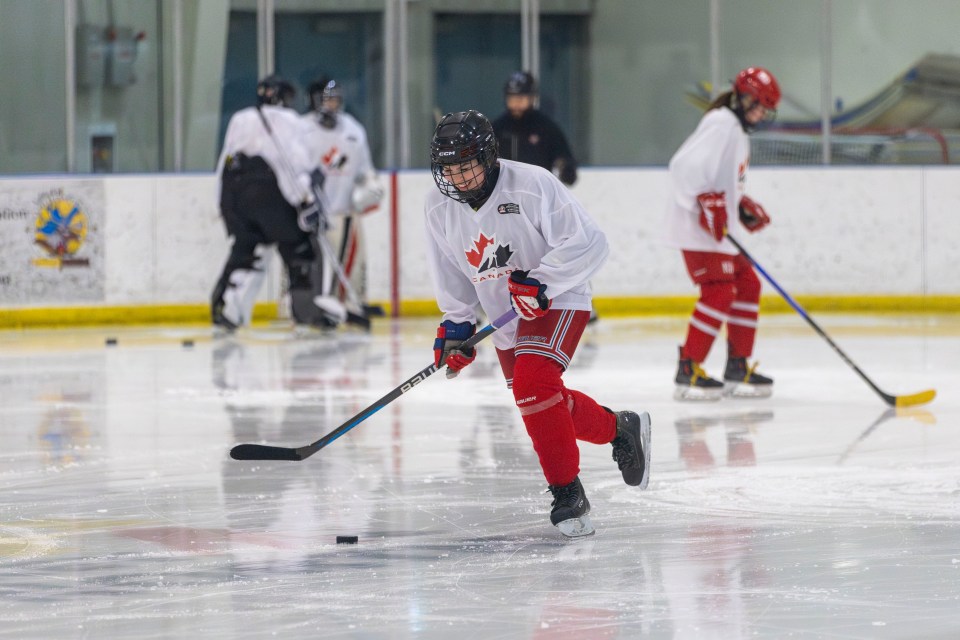

More broadly, Hickox expects Canadian girls’ hockey to exceed 100,000 participants this year, having not crossed 90,000 in the past 15 years. “I’d like us to be getting to the 150,000 mark,” she said.
“It’s not going to be that game people see as perhaps toxic, or not safe, or not something parents want to put their children in,” Hickox continued, setting out her vision.
“I want it to be that if a kid has a desire to play hockey, there is a place for them – and a place for them where they feel safe, included, and are able to grow and develop in a game they can love.”
Grant, meanwhile, is listening to girls discuss their favourite players after gazing at the medals of Agosta and Piper.
“It used to always be Sidney Crosby, Gretzky, Ovechkin. Now they’re looking at Sarah Nurse, they’re looking at Marie-Philip Poulin, they’re looking at Jamie Lee Rattray. They’re actually watching the games,” she said.
“We’re pushing everyone to encourage their female players to look up to the PWHL. Like, you can someday play there.”
Correction: February 17, 2024 – 18:04 MT. We initially stated Katie Armstrong played in games against Team NT and Team Nunavut. She didn’t, she was watching fellow members of her women’s league play against them.
