



The Yellowknife Women’s Society recently learned that Spruce Bough, the only permanent supported living program in the NWT, will lose funding this spring.
Without the program, 26 residents with complex needs face homelessness.
While Spruce Bough is expected to receive short-term cash to continue, its longer-term future isn’t clear.
“These are individuals that are more high-risk with substance abuse, mental health, chronic illnesses that are there, that need wraparound services and support,” said the society’s executive director, Renee Sanderson.
“My fear is that we will see more people losing their life to the street.”
Advertisement.
Advertisement.
Spruce Bough opened its doors four years ago and quickly reached capacity, offering harm reduction services, wraparound supports and long-term housing to some of the NWT’s most vulnerable residents.
However, a few weeks ago, the women’s society learned from its funders that financial support for Spruce Bough – and the society’s managed alcohol program – would end in the spring.
Spruce Bough was given life by federal funding originally aimed at housing residents during the Covid-19 pandemic.
Since then, the program has adapted to focus on cases of “chronic homelessness” and people with other complex needs that prevent them from living independently.
Advertisement.
Advertisement.
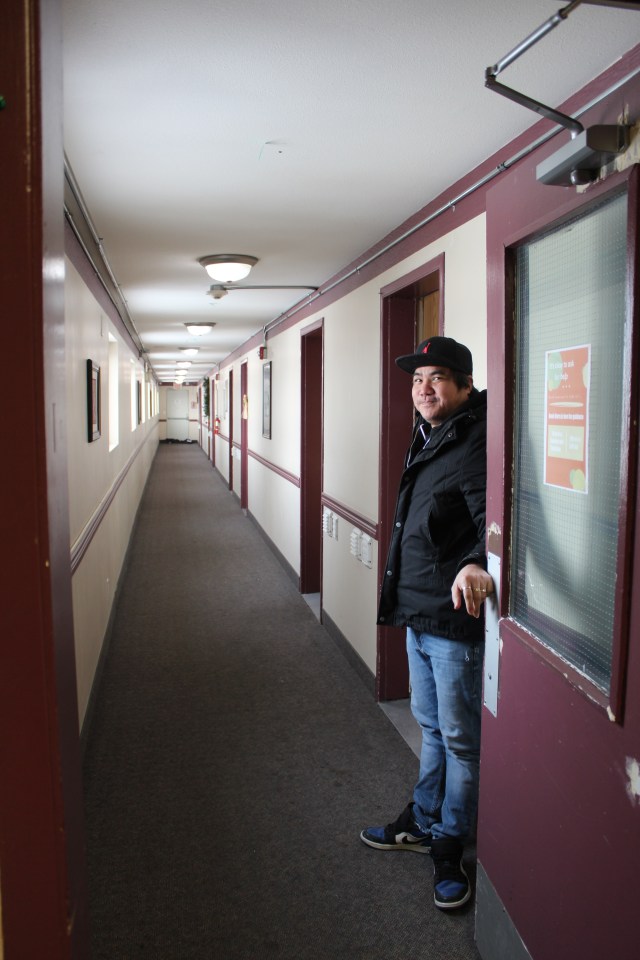
With this new mission, Spruce Bough transformed into what Sanderson calls the only supported living program of its kind in the NWT. The society’s deputy director, Zoe Share, says the managed alcohol program is similarly the only one you’ll find here.
“If they lose access to that, then how is that going to impact their lives?” Share asked of the managed alcohol service.
“Alcohol is the most dangerous substance to go through withdrawals from, which can include it being fatal. People may turn to drinking non-beverage alcohol if they don’t have access to beverage alcohol, which is also extremely dangerous.”
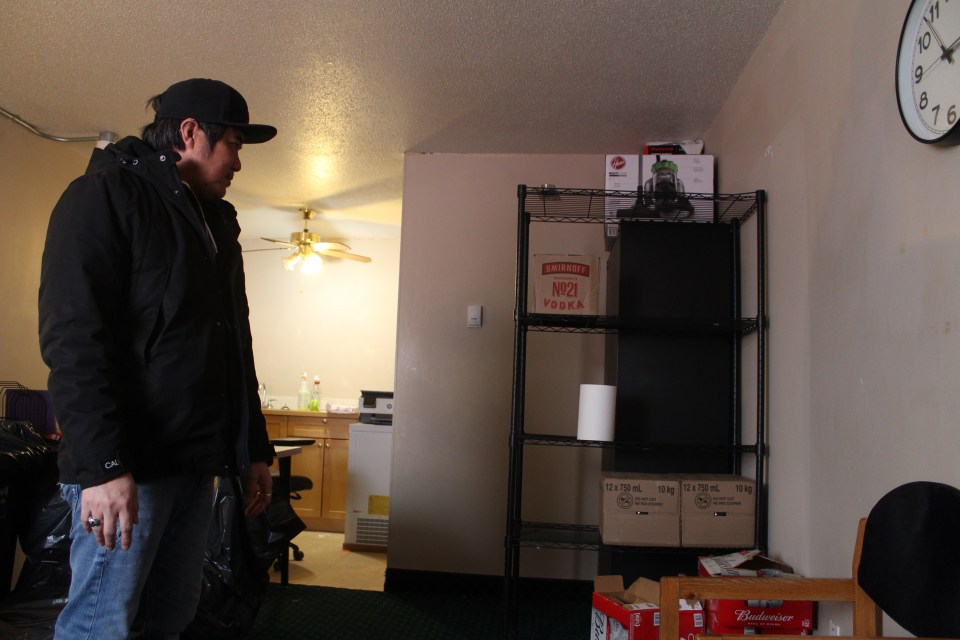

Spruce Bough’s general manager, Jayson Quesada, says its service isn’t the same as low-cost public housing or an addictions treatment centre.
Residents are not required to reduce their alcohol consumption to live at Spruce Bough and there is no time limit for residents who wish to stay.
Spruce Bough is staffed around the clock, which helps to prevent cases of home takeovers, feelings of isolation and high-risk substance use, according to Sanderson.
Without this kind of supported living, Quesada says he is concerned that residents would be unable to maintain their housing.
“Funders still see this program as low-cost housing, but it is not. Low-cost housing doesn’t have the support that we’re providing. Us being here … is a really big help to their life,” said Quesada.
Advertisement.
Advertisement.
“Without the human intervention, without us here, most of them are going to end up in the street.”
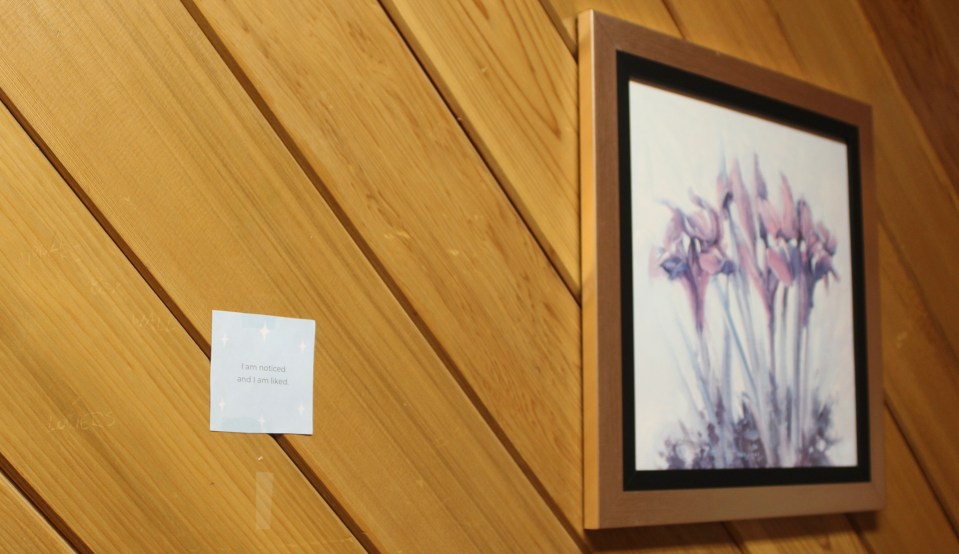
At Spruce Bough, support workers help residents with tasks like applying for income support, cooking meals, planning doctor’s checkups, coordinating lifts, administering medication and performing on-site wound treatment and first aid.
Quesada argues the program is reducing pressures on the healthcare system by lowering the number of hospital visits and medevacs south, plus the number of complications like seizures associated with alcohol withdrawal.
“It is a cost-saving approach in our mind,” Share said. “It would cost the GNWT much more, in terms of a dollar amount, to send someone to an assisted or supported living situation in the south, versus having them at Spruce Bough.”
Yellowknife North MLA and former women’s society board member Shauna Morgan says these kinds of service often cost less if a non-profit runs them than if the territorial government were to step in itself.
She points to examples like day shelters and sobering centres in Inuvik and Yellowknife.
“The government has had to step in and deliver those things directly, and we’ve seen in the Yellowknife case that that costs all of us an extra $2 million per year to run that service directly, rather than contracting it out to an NGO,” Morgan said.
Sanderson said Spruce Bough’s services help people “stay in the North, close to family, and still get the services that they require.”
Advertisement.
Advertisement.
‘Understand what it’s like to be me’
One resident, Kevin, was diagnosed with stage four brain and lung cancer. Several months ago, he left Hay River to move into Spruce Bough.
Kevin says living at Spruce Bough is “incomparable” to his past housing arrangements.
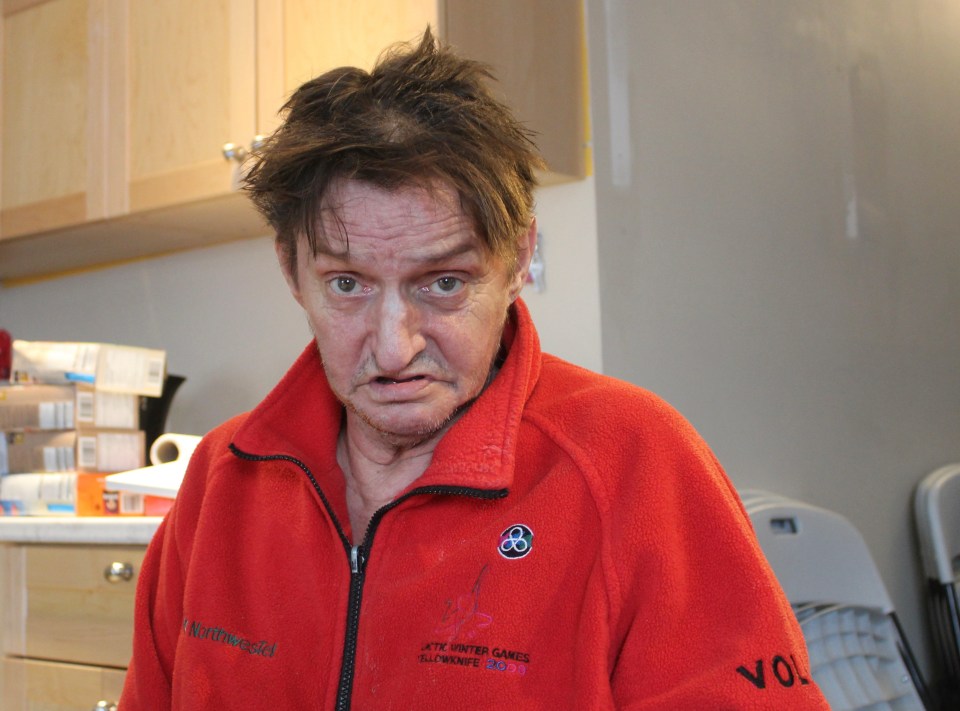
“The place speaks for itself,” Kevin said. “My appointments are met. Everything I need is at my disposal.
“I couldn’t ask for anything more.”
Kevin says he likes the community at Spruce Bough because it is “very reassuring.” Ultimately, Kevin says he hopes more people will take the time to learn more about Spruce Bough, as they never know where life might take them.
“People need to be enlightened, if you will, because a lot of people are uneducated and they just don’t understand,” Kevin said.
“It’s important that people understand what it’s like to be me.”
Another resident, Peter, says he had a hard time before moving into Spruce Bough.
Advertisement.
Advertisement.
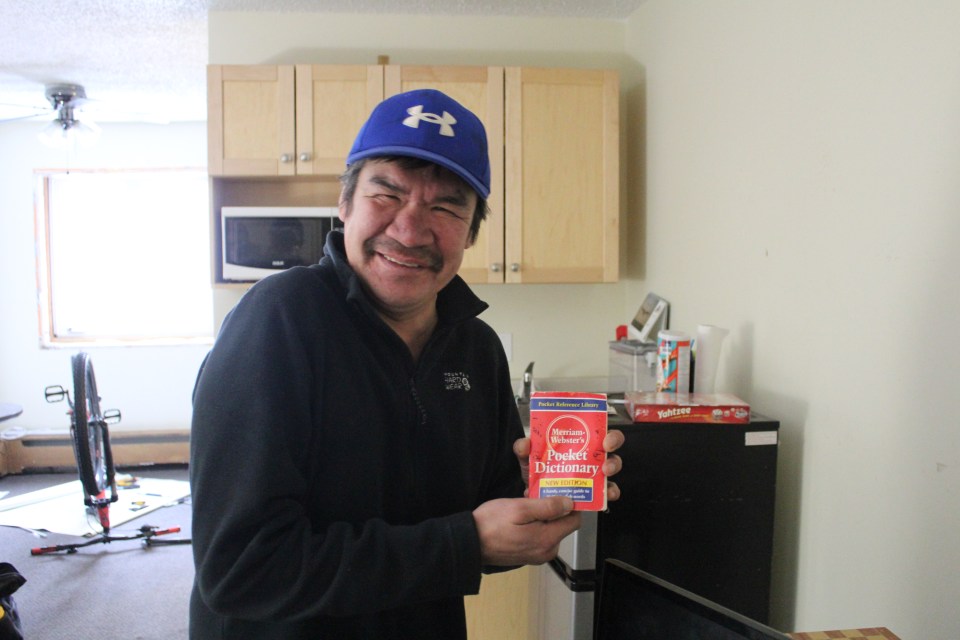
“I’ve been through a lot. Prior to coming here, I was on the streets,” said Peter. “I was in and out of the hospital.”
Since moving into Spruce Bough, Peter says his health has improved. He says kindness is important to him when making friends, and since moving in, he’s made good friends.
“I’ve been depressed ever since I left,” Peter said about leaving his home community, Łútsël K’é. “But, I don’t mind it here. Everybody’s friendly.”
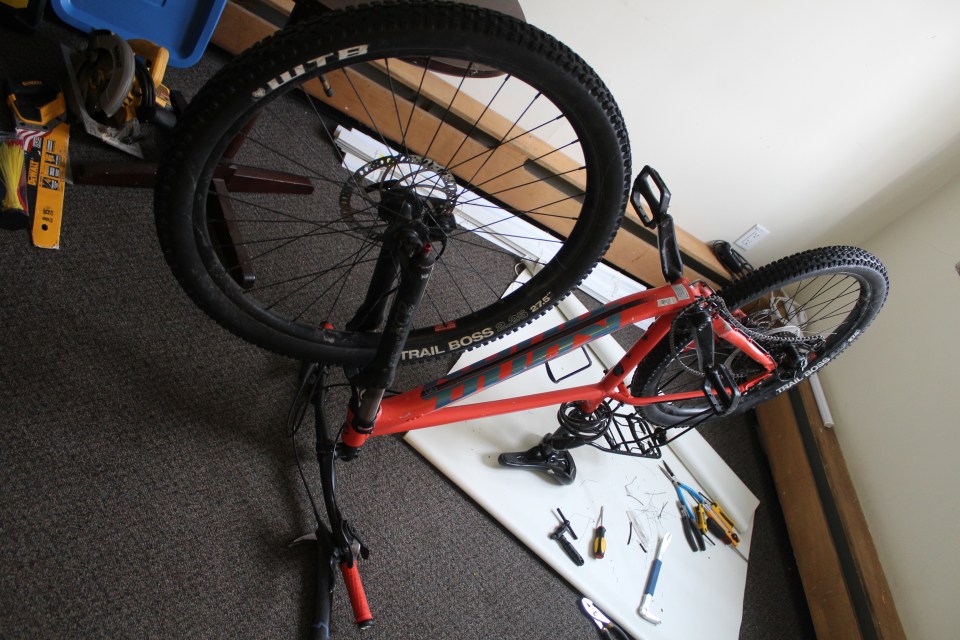
Peter is a carpenter by trade, and enjoys doing repairs and helping out where he sees there’s a need. Lately, Peter has been working on a bike he plans to ride in the spring.
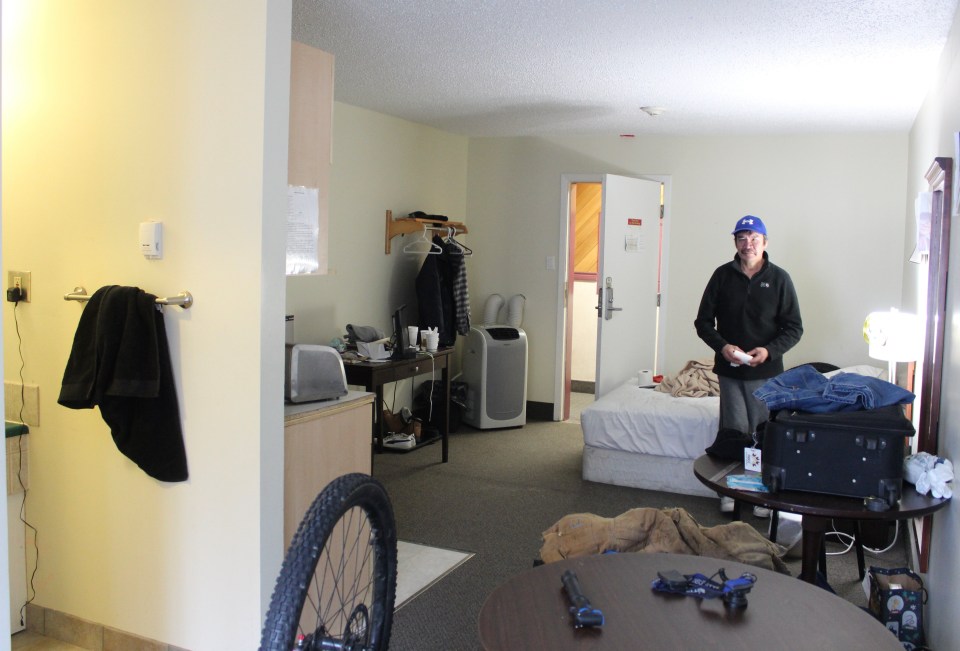
Peter says he was part of the Sixties Scoop, which left him traumatized, anxious and depressed. At Spruce Bough, he has access to the managed alcohol program, which provides him with a safe place for consumption.
‘Profoundly wrong’ funding crises
The vast majority of residents at Spruce Bough are Indigenous and many are Elders.
Quesada recalls hearing stories from residents about their experiences of racism when they leave Spruce Bough – at the grocery store, in a bank, on the street. He thinks people who live there are sometimes seen as second-class citizens.
“Everyone has a different life story. A lot of times those are based on shared experiences of colonialism, of residential schools, of intergenerational trauma, especially just looking at the people that we serve in our programs,” said Share.
Advertisement.
Advertisement.
“There needs to be a level of self-reflection and understanding that not everyone has a home to go to at the end of the night, a guaranteed place to get a meal, a place to just hang out with their significant other.
“If people have an issue with seeing something like that in downtown, then it flags a failure for all of us, for the entire community – and we need to think about how we can work together to solve it in a way that respects everyone’s dignity.”

Sanderson says governments have a responsibility to continue to fund Spruce Bough.
“We just want for the government to realize what their obligations are to Indigenous people and ensure that the program can run,” said Sanderson.
“Our part is to provide the service, and we believe it’s on the government to provide the funding to continue the service.”
MLA Morgan addressed the legislature last week to discuss the funding needs at Spruce Bough.
While it’s still undecided whether Spruce Bough will secure long-term core funding, Morgan said at the time she believed the GNWT can find short-term money to buy the program more time.
That’s exactly what happened.
Advertisement.
Advertisement.
Share says she has received word from the NWT’s Department of Executive and Indigenous Affairs that Spruce Bough’s core program funding will be extended from March 31 until the end of June. The managed alcohol program will now be funded for 2024-25, according to Share.
A spokesperson for the department, Toyeke Adedipe, said in a statement that the Yellowknife Women’s Society had known for a year that its program funding would end.
“Since that time, the GNWT has been working to identify funding to support Spruce Bough beyond the existing contract,” Adedipe wrote.
Confirming short-term funding will be provided, Adedipe said that will give the department more time to work with the society “to address Spruce Bough’s funding needs in the longer term.”
This isn’t the first time Spruce Bough has faced a similar funding crunch.
In May 2022, for example, the NWT government agreed to provide $1.5 million to keep the facility going through the 2022-23 financial year.
In the legislature this week, Premier RJ Simpson said his government can’t extend core funding “to every single NGO in the territory” but can look at supplying that funding when organizations offer services that the GNWT is mandated to offer.
“I am committed to improving the conversations and the communication between NGOs and the Government of the Northwest Territories,” Simpson said.
“This is a common situation that NGOs find themselves in, who have to survive on year-to-year funding and they provide these essential social services,” said Morgan.
“There’s something profoundly wrong about that situation.”
