



Members of the Łı́ı́dlı̨ı̨ Kų́ę́ First Nation will choose either incumbent Kele Antoine or challenger Mavis Cli-Michaud as their chief this week.
Cabin Radio spoke with both candidates about their plans for the First Nation’s future.
An election for chief and council takes place on Thursday, July 11. Antoine is vying for a second term as chief and Cli-Michaud is looking to step into the role.
Antoine has spent the past nine years supporting council as sub-chief and chief. By running for a second term, he says he hopes to use his experience to advance the likes of community activities, language revitalization and housing.
“The best way forward is to bring all of our community members together, really have some serious talks together and formulate a good plan moving forward for our people,” said Antoine. “Getting our people together and involved on all the big decisions.”
Advertisement.
Advertisement.
With experience at the federal government, heading the Mackenzie Valley Land and Water Board, co-founding the NWT Native Women’s Association and leading Nogha Enterprises, Cli-Michaud says she listens and leads with empathy.
As chief, Cli-Michaud says she would address the likes of education, healthcare and homelessness.
“How can we improve the lives of people to go to work?” said Cli-Michaud. “How to revitalize and preserve the Slavey languages among our people?”
These interviews were recorded on July 5, 2024 and are shown in alphabetical order. The transcripts have been lightly edited for clarity.
Advertisement.
Advertisement.
Kele Antoine
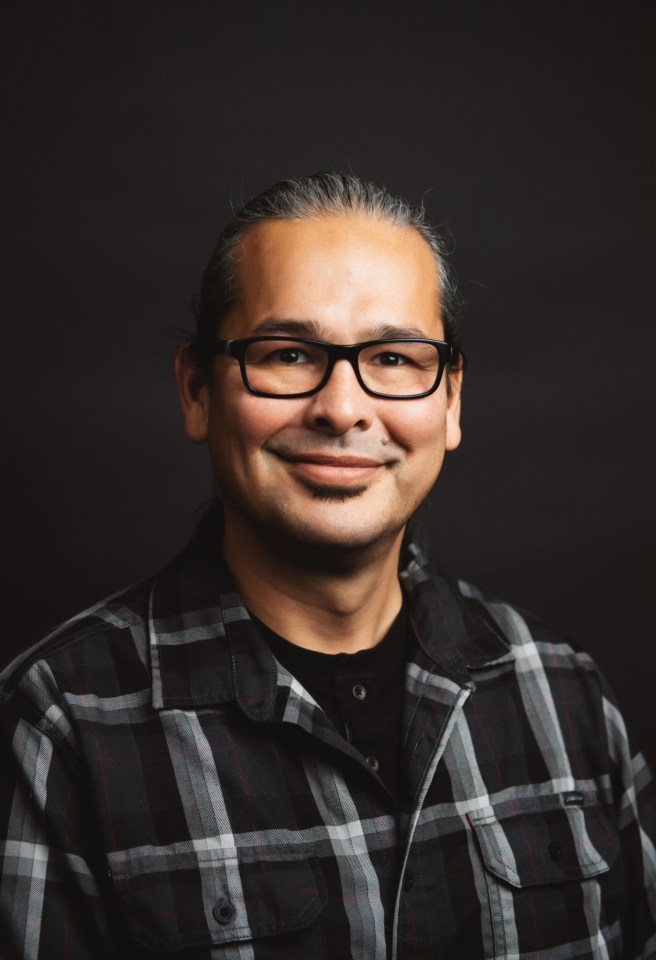
Simona Rosenfield: You ran for chief and won in 2021. Within the past few years, the community has gone through a lot of challenges – Covid, floods and wildfires. Which accomplishments would you highlight from your time as chief?
Kele Antoine: I think being chief for the past three years, but also being sub-chief for the six years before that, I’ve been fully involved with all the issues that have arisen from Covid, forest fires and floods. So, I’ve really got a good handle on a whole host of issues that come with such emergency-type situations. It’s provided me with a deep understanding of our community needs, all their challenges.
It’s just been something that has enabled me to gain substantial experience with working with other levels of government, but also working with our people to try to really get to the bottom of what it is they’re experiencing, what their needs are, and trying to help them navigate these processes that are out there in terms of assistance and getting what they need done to help them through such difficult situations.
Alongside that, just working on a lot of the projects in our community. The finishing of our new office building and working very closely with our team on revitalizing our language, trying to come up with new and fresh ideas to help people focus on good things like that, instead of having their minds constantly worrying about all the emergency situations that we’ve been through over the past few years such as floods and forest fires.
Just trying to keep a good handle on the people’s mental health, trying to make sure that there’s a lot of healthy opportunities for people to get out and be a part of the community. I think that’s something that we did well on and we need to grow upon.
I think there’s a big need for more community-type celebrations and festivities, and just getting everybody in the community on board and working together towards that is something that I want to bring to this new term. It’s to get all the different agencies in town working together and collaborating on the better future for Łı́ı́dlı̨ı̨ Kų́ę́ and for our community.
What are you hearing from Łı́ı́dlı̨ı̨ Kų́ę́ residents when it comes to the needs and issues they want addressed?
I think the big thing is housing. We need to focus on housing and getting a good plan for our community down on paper with all of our community members involved. We need to involve them all in a good plan that we can all agree upon, and all think is great, and start working towards that plan and implementing it in a phased approach to ensure that we have a good success rate.
Advertisement.
Advertisement.
You mentioned efforts to unify the community and community resources, and now housing. I’m wondering if there’s anything else you will focus on if re-elected?
I think just getting our people together and involved on all the big decisions that stems from medical services, medical travel, local emergency preparedness like we just talked about. There’s homelessness issues, addictions, and so I think the best way forward is to bring all of our community members together and really have some serious talks together and formulate a good plan moving forward for our people.
You spoke earlier about the importance of community activities like celebrations. Can you highlight a few events or programs that brought people together under your leadership?
We’ve had a lot of healing camps on the land at Cli Lake and other places. We should continue these initiatives.
It’s hard to get maximum exposure to all of our people for events like that. So, I think we need to really work on some community-type events where we can bring whether it’s motivational speakers in, but also comedians, and really just focus on the wellness of our community.
If we could get people coming back together and gathering together as a family unit, startt making them laugh and share stories again, I think that’s a good indicator that we’re on the right path together.
Within the First Nation’s powers, what do you believe are achievable goals for economic opportunities, education and healthcare?
In terms of economic development, financial stability is crucial for the growth and prosperity of Łı́ı́dlı̨ı̨ Kų́ę́ First Nation. Over the past years, we made significant strides in this avenue.
I see several key initiatives as vital to maintaining and enhancing this, such as fostering partnerships and collaborations with other organizations and government agencies. This could open new avenues for economic growth. These partnerships could provide us with access to new markets, resources, as well as expertise, and that would enhance our ability to create sustainable economic opportunities.
We also need to explore investment opportunities outside of our region. By diversifying our investments, we could bring in additional revenue streams, also reduce financial risks, but also ensuring a more robust and resilient economy here in our small area.
I think preparing for potential mineral and resource development is critical for realizing job opportunities and also securing the financial benefits. By strategically managing the resources in our area, we could potentially enhance the quality of life for our nation and our people.
Additionally, we need to continue promoting cultural tourism. Cultural tourism will highlight our rich heritage and attract more visitors. Not only does tourism provide economic benefits, but it also helps preserve and celebrate our culture and our heritage.
In terms of education, language and culture are the heart of our identity and heritage. So, we need to continue our work revitalizing our language. My proposal creates a comprehensive language program that would cater to all age groups from young children to Elders. We need to try to get these programs integrated more into our schools and community centres.
Additionally, we need to support other stakeholders that are already doing this work in the creation of language resources, such as dictionaries, mobile apps and a host of audio recordings, such as podcasts and stuff to preserve our language for future generations.
It’s important to remember, in terms of education, that we have a treaty right to a quality education. So we need to ensure that our education system is on par with other regions. This is essential for the success of our youth coming up through the education system.
I believe LKFN could play a pivotal role by advocating for curriculum development that reflects our unique history, culture, and language by integrating our traditions, our knowledge. Also bringing more of our Elders into the education system is something that we need to see as soon as possible. We need to bring that connection to our family units back into the school.
Advertisement.
Advertisement.
To close off on education, we need to invest in the professional development of our educators. We need to provide them with the tools and training necessary to deliver this high-quality education to a variety of different comprehension levels.
So, we need to strengthen partnerships with the educational institutions as well as government agencies to help secure the necessary resources and support for modern learning materials, technology integration, as well as infrastructure improvements.
We also need to focus on creating pathways for higher education and vocational training for our youth and our people. This would ensure that they have access to diverse opportunities that prepare them for successful careers.
Moving on to mental health and addictions. What is your stance on the First Nation’s role when it comes to mental health support for its members?
I think access to quality medical services and mental health services is a fundamental right and it’s also a treaty right for our people.
So, I am committed to advocating for improved services for our people, for our whole community and region. I want to ensure that all members have timely access to the necessary care.
There’s no question that there is a mental health crisis in the North. There’s a huge, massive drug problem that’s currently sweeping the whole North and we need intervention now from every angle, every avenue.
We need help from the GWT, the federal government. We need help from the grassroots people that can help other people navigate these issues and possibly lead them down a better path. Addictions is a serious issue that affects many in our community. Often it stems from a trauma in one’s past.
Advertisement.
Advertisement.
During my time as chief at LKFN, our team has worked tirelessly on the creation of a safe home for women, and we’ve also supported the local homeless shelter in their quest for providing better services for our people in our community.
The approach to addressing addiction is going to involve developing a comprehensive support system that includes prevention, treatment and recovery programs. Too often in the North, we just send people out to treatment, and then they come back home, right into that same social environment that they so struggled in.
There’s a saying that a person cannot heal in the environment in which they got sick.
So, we need to provide better opportunities for people that have so bravely chosen to get off that path of addictions. We need to provide them with safe places when they come back from these journeys, so they can get back on the right foot and start leading a better life and also contributing to the overall success of our community.
How do you envision LKFN leadership advancing land negotiations in the region?
It’s a complex process. It involves negotiating with various levels of government to secure agreements that recognize our land rights, our governance and our self-determination.
In order to move forward effectively in Łı́ı́dlı̨ı̨ Kų́ę́, it’s essential that our people are fully engaged and fully informed throughout the whole process.
So, this is going to require an increase in funding for the communications portion of the negotiations in our region. This increased funding will ensure that we can properly engage our own people. We need to fully involve everyone and provide them with access to workshops and discussions on the pros and cons of all scenarios put forward in this process.
Advertisement.
Advertisement.
Increased funding would allow us to conduct comprehensive community consultations, organize educational workshops. The big thing is to enhance the communications and then also facilitate expert engagements, bring in some experts to help translate and also communicate what exactly is going on in terms of the legal world, economic world, cultural world. We also need to look at it through the lens of our treaty relationship.
This would help our community understand the full scope of all agreements and be able to speed up the process and make good, informed decisions.
And lastly, we need to just do better at supporting the active participation of our community members in this process, ensuring they have a voice and that any concerns they have are heard and addressed.
Mavis Cli-Michaud
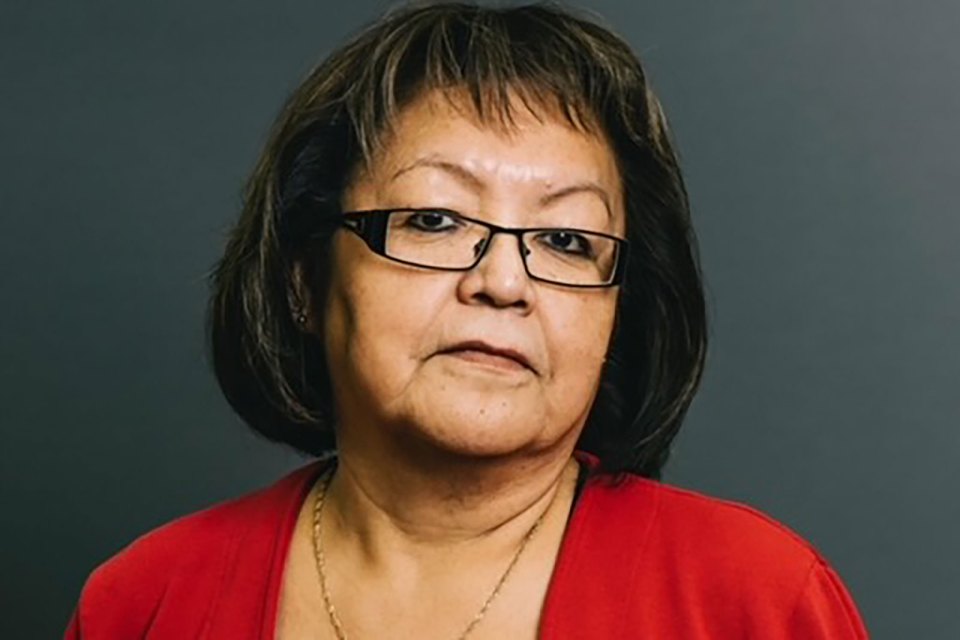
Simona Rosenfield: Can you share a bit about your work experience and the skills you would bring to the role if elected?
Mavis Cli-Michaud: I’ve had over 30 years’ experience with the federal government. I’ve been a board member and chair of the MacKenzie Valley Land and Water Board for the last nine-and-a-half to 10 years. I also was a founding member of the NWT Native Women’s Association board of directors.
From 1980 to now, I still sit on as a rector’s warden and vestry member for St David’s Anglican church. I was also the president and vice-president for Nogha Enterprises, which is a band-owned entity. With the Dehcho First Nations Investment Management Board, I sat as a board member chair.
I think my leadership qualities are to listen, to lead with empathy, and to learn from others. I have accountability by accepting responsibility for my actions and answer questions about decisions. I’m adaptable in making positive change to meet the needs of a situation.
I’m very confident in my ability and skills to guide and help others. I see challenges with a unique perspective, and develop strategic solutions from different points of view. I take responsibility for my actions to inspire trust, honesty, and open conversations with people. I think these are proven, some of my leadership skills and my leadership qualities.
Advertisement.
Advertisement.
What would be your focus if elected?
My vision is to identify and to respond to the needs of LKFN membership. To plan and set long-term goals and objectives based on the needs of the membership.
I would also be the spokesperson that links between the LKFN membership, the Village of Fort Simpson, the GNWT and federal government. So that’s what I see my role as.
You mentioned listening and responding to the needs of residents. What are you hearing from LKFN members? What issues need to be addressed?
I hear a lot about the education system, the healthcare system, social health and wellness issues, medical travel services. Homelessness seems to be an issue.
When it comes to economic development, how can we improve the lives of people to go to work?
I think language and culture – how to revitalize and preserve the Slavey languages among our people.
And the other thing is that we need to work with the education system to improve graduation rates among LKFN membership.
Advertisement.
Advertisement.
Something about comprehensive land claims is one of the things that was brought up. I think they just want to be informed and educated about what the treaty entitlements are, and better communication and transparency.
These are some of the things that I’ve heard and talked to people about.
How would you support housing, education and healthcare as chief?
Housing is an issue. LKFN did get funding, that was public knowledge. It just was received. I’m not too sure the criteria about it.
I think the first thing, when you go into any role, is that you need to look at all your finances to find out who is working within the organization – working on housing, working on education, working on healthcare – because there is those in place.
I think the first thing is to meet with the staff and see: Where are we at? What are we doing? And get an idea of what’s happening in-house, meet with the new council that’s elected. “These are the issues that we’re seeing, what are your thoughts?”
We need to meet with the people. I really think that this is not top-driven, it’s bottom-driven. So, we need to go back to the people. It’s their concerns, we need to hear their concerns.
We have to have a public meeting with membership, just membership only, saying: What do you want us to do? How can we help? Let’s start working together. We can accomplish a lot if we work together and communicate and understand one another. What are our roles as chief and council? What are our roles and responsibilities? We just need to identify and respond to your needs and this is what we’re doing. Where do we go from here? What are our limitations, and what can we accomplish?
Advertisement.
Advertisement.
Set realistic goals that are achievable.
You mentioned some needs when it comes to healthcare. There’s been a rise in addictions, domestic violence, and other indications of mental health struggles. What’s your stance on mental health support from the First Nation?
First and foremost, I think you’d have to work with the services that are out there. Find out what services the Government of the Northwest Territories’ Health and Social Services offers. We need to be able to work with them.
Then, you have to work with various governments, whether it’s the Village of Fort Simpson, the GNWT and the federal government. You need to be able to say: What are each and everyone’s responsibility? How can we help to make sure that we’re helping our membership?
When it comes to emergency response, how would the First Nation support its membership? What responsibilities would the First Nation take on?
Because we live within a municipality, it is the responsibility of the mayor to declare a state of emergency. Then it would go to Maca, and then it goes to the federal government.
So, we need to make sure that we are all communicating and all on the same page, so that we can communicate to our membership. We can do that by making sure that our membership are self-sufficient for at least seven days by putting together an emergency kit including important papers, ID, passport, cash, and non-perishable food, water, flashlight, portable radio.
We can communicate that part of it to our membership and say: make sure that you’re ready, and not just during fire season. Us First Nations, we’ve always been prepared. History has always proven that we’ve always been prepared. It needs to be a given so you’re always prepared, not just for fire seasons, but for any kind of emergency.
Advertisement.
Advertisement.
Where does support for the Slavey language and Dene culture in education land as a priority?
First I’d hit the language and revitalization and culture because I think that and the education go hand-in-hand.
For language revitalization and cultural preservation, I think the federal government has a responsibility to provide sufficient funds to First Nations.
I would have to go in and find out: What have you done so far? Have we got funding? If not, why not? And build on that.
We need to be proactive in reviving and reversing language shifts. We need to encourage more young people to speak Slavey at home, with and around their young children, and promoting volunteer programs in the schools and other community institutions to improve the use of the Slavey language.
Two successful language revitalization programs are the Hawaiian people in the US and the Maori in New Zealand. We can bring that to the forefront, read and follow their example. How did they do it? Take a proactive approach on it.
We can start by using simple language when we greet one another:
Nega Dagondih (How are you?)
Advertisement.
Advertisement.
Nezu (I’m fine/good.)
Danuzhe (What’s your name?)
Negha dagondih, Mavis Cli-Michaud suzhe (My name is Mavis Cli-Michaud.)
Mahsi (Thank you.)
Just those simple words. It’s not just for our own people, but people in general, so that you’re proud to be able to speak your language. And once you’re proud of something, it keeps growing.
So you encourage people, because some people might not speak it right. But we’re people that have fun. We like to laugh, joke, and be the brunt of our own mistakes, and we laugh about it. Not to be hurtful, but because it’s funny.
If we encourage speaking the language, just simple things, if we do that every day and practise it, I think that we can revitalize because everyone is speaking the language.
Is there anything I didn’t ask you?
Advertisement.
Advertisement.
As chief and council, we have to respond and listen to the needs of the LKFN membership. Set long-term goals on the needs.
What’s the vision of LKFN? What is your strategic plan? Making critical decisions to advance and improve the life of all of LKFN by consulting with Elders and other leaders when making decisions of chief and council.
Membership need to be informed and educated. Good communication at the end of the day, that’s what is. Communication, communication, communication. I can’t stress that enough.
And being transparent. When people read between the lines, they get the message wrong. You just have to say: Chief and council, we represent you. We don’t represent ourselves. We work for you – we work for the people. I think that’s at the forefront, and I think that’s my message. You’re there for the people.
