


Advertisement.
“There was a lot of hugging, and thankfulness, and guys talking about how they didn’t think they were going to see their kid.”
Dylan Jones, Scott Yuill and Tanner Coleman signed up this summer to help out the NWT’s firefighters by operating some heavy equipment as crews fought fires near the highway at the Alberta border.
One night earlier this month, the three decided to simply camp near their work site rather than travel back to Hay River with everyone else. It would save on travel time.
Instead, that decision probably saved lives.
Advertisement.
Advertisement.
Listen to the Cabin Talks podcast on Spotify, Apple or the platform of your choice to hear Jones and Yuill tell the story.
With nobody else around and an intense wildfire flaring up in hot, gusty conditions, the three discovered they were the only people able to help drivers becoming trapped as flames reached the highway.
“The fire just took off in what seemed like seconds,” said Jones.
“It switched from us fighting the fire with equipment to jumping into pickups, heading down the road into the fire, and getting drivers turned around and sent back out of the fire.
Advertisement.
Advertisement.
“We had the opportunity to help a few people who said we may have saved their lives.”
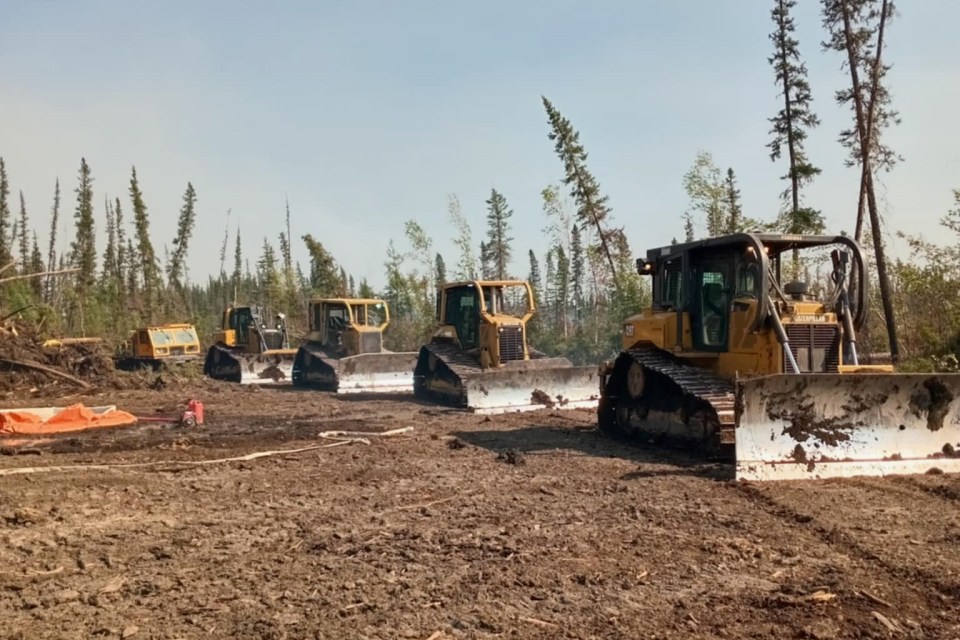
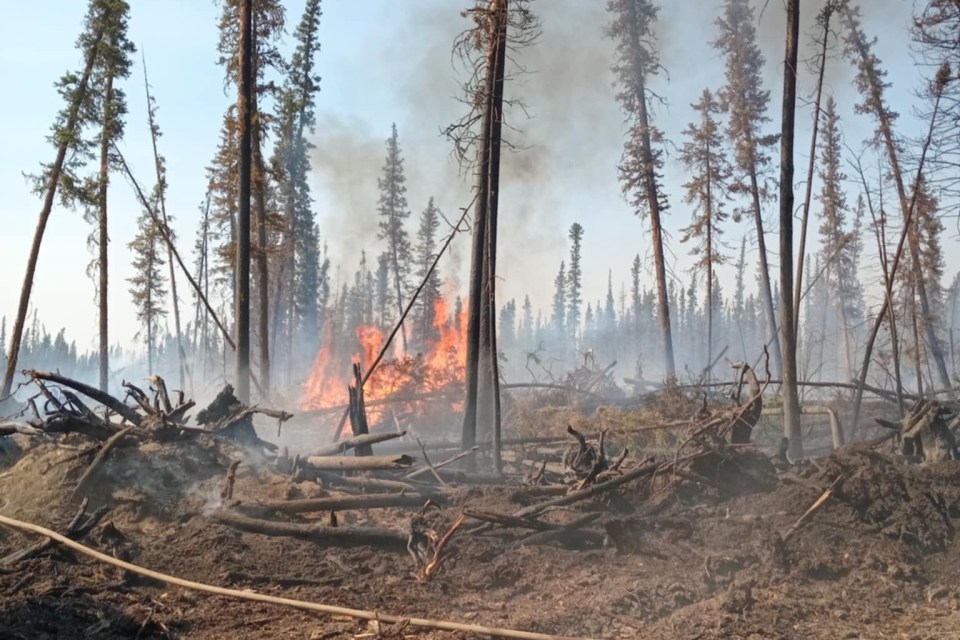
Jones and Yuill had agreed to team up earlier in the summer, thinking they could put their resources to better use as a partnership.
“He called me up one day and he goes, ‘Listen, I got a dozer. You got the trucks. Let’s make a plan.’ Everything fell into place,” said Yuill. But neither of them had bargained on being this close to the front line.
“You go into full action mode,” Yuill said. “A lot of people don’t understand their own abilities or capabilities until they are put into a situation like that.”
In this instance, that meant the group tracking down drivers one by one and either talking them out of trouble via VHF radio, piloting them away from the danger or, in some cases, taking hands-on action to avert disaster.
“We did have to demolish one fence with one of the trucks,” Jones said, describing the need to take down a fence to give one large transport truck enough room to turn back toward safety.
“I’m very sorry to whoever’s gate that was, but that gate going down probably saved that trucker’s life.”
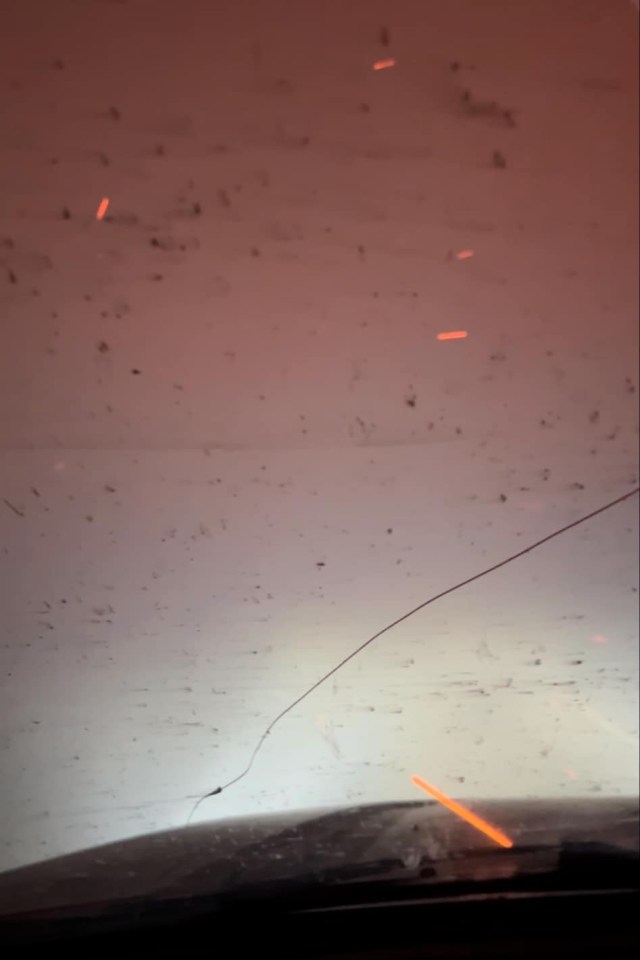
Eventually, reinforcements arrived and the road was closed to stop more drivers entering the chaos.
Advertisement.
Advertisement.
“They held it together,” said Yuill of the drivers they helped.
“If you could have heard the fear in their voices – as soon as we heard this one guy on there [VHF radio] and the fear, Dylan and I just looked at each other, and he’s like, ‘We’ve got to stay calm and get these guys out of here.’
“That was the key thing, keeping our composure, keeping our calmness to pass it along to them, so that they could realize: ‘If these guys are calm and guiding me, then I can trust them.’
“And they had to trust us. We’re not going to lead anybody in the danger. We’re trying to get you out of danger, and we were able to get them out of danger safely. Everything worked out in the end. It was great.”
