



Zach Fritz is moving from Minnesota to Wisconsin this week. Ordinarily, moving state is a big life event. Having just paddled 4,400 km, maybe he has a different perspective.
Fritz and friend Taylor Rau met while guiding high school students on a canoe trip through Manitoba and Ontario, then worked together on a separate expedition from Great Slave Lake to the Arctic Ocean via the Coppermine River.
But that wasn’t quite enough for Fritz.
“I always wanted to do kind-of a long trip and route. For the past five years, I’ve been piecing together different rivers and lakes that I’ve always wanted to go see,” he said.
“And I figured, well, I might as well make it one big route.”
Advertisement.
Advertisement.
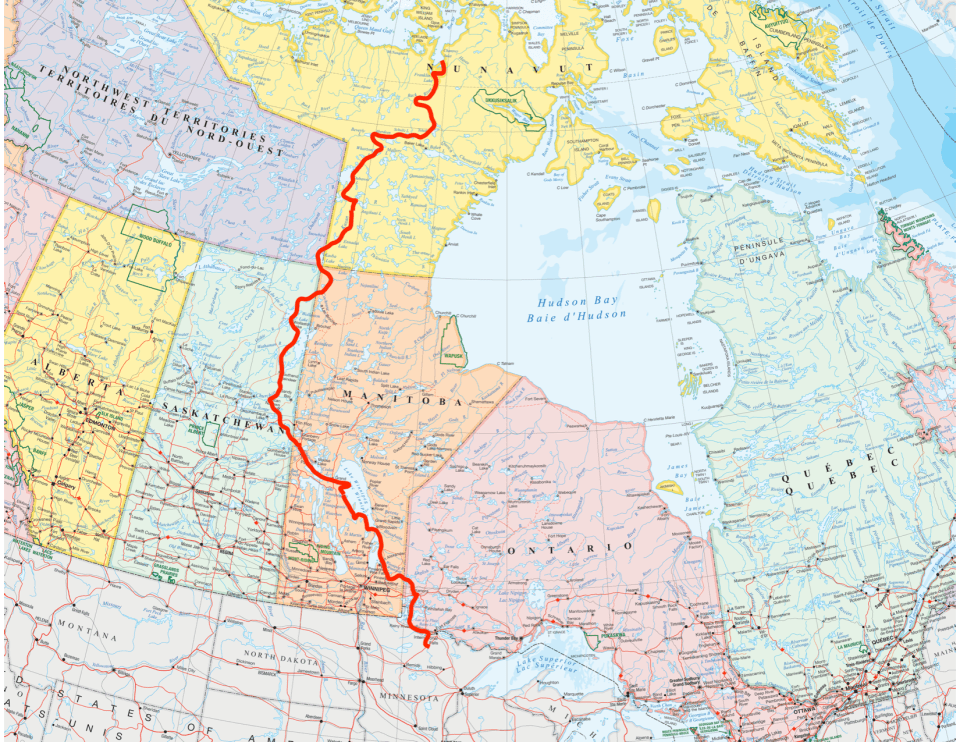
He drew up a plan that would start from the family cabin in Minnesota and proceed through a corner of northern Ontario, across Manitoba via Lake Winnipeg, and up through northern Saskatchewan. The route dances briefly into the NWT at Kasba Lake before crossing Nunavut to the Arctic Ocean.
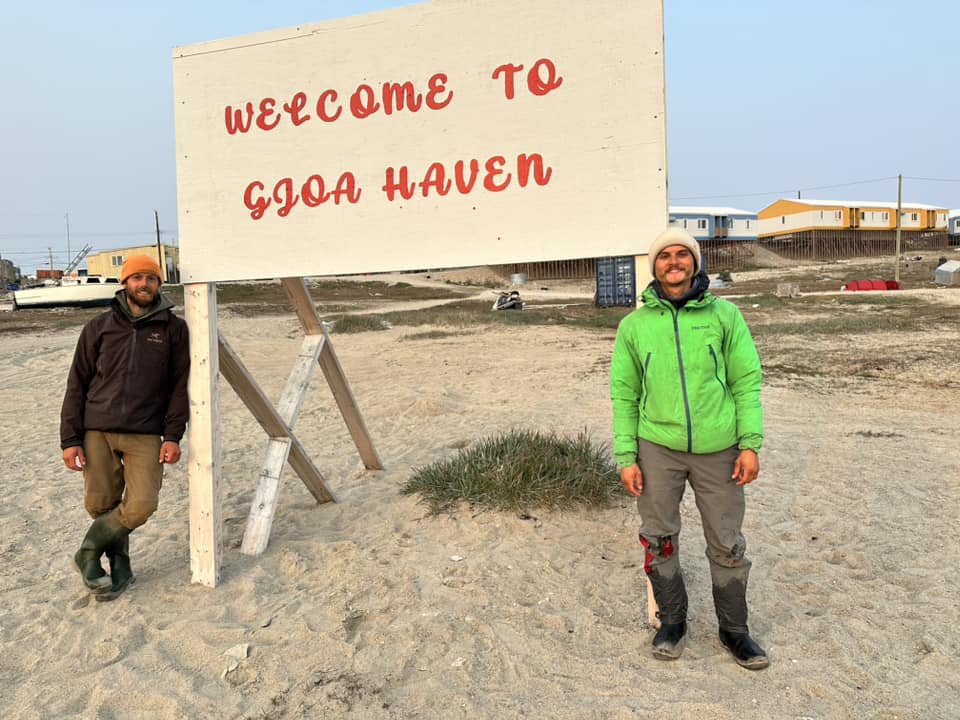
“I had this route figured out and obviously I needed somebody I could do it with. So one day, I reached out to Taylor,” Fritz told Cabin Radio this week, after the two finished their 105-day voyage. They emerged into the Arctic Ocean at Chantrey Inlet, then flew home to Minnesota via Gjoa Haven and Yellowknife.
Rewinding the tape to last year, Rau agreed to at least go for a coffee with Fritz and hear about this route.
“I definitely had some second thoughts,” Rau said of that coffee meeting.
Advertisement.
Advertisement.
“I don’t even know if I really took it seriously at first, that first day. But then as I sat around and thought about it I was like, this is definitely the time to do it … I might as well jump on it while I’m still young and have the opportunity.”

The two completed their voyage in five legs, receiving fresh supplies at the town of Powerview-Pine Falls in Manitoba; at the north end of Lake Winnipeg in Grand Rapids; on Saskatchewan’s Reindeer Lake, where the road south ends; and at the Kasba Lake Lodge, perched amid the barrenlands and the NWT’s border with Nunavut.
“Throughout the course of the three and a half months we were on our trip, we only ran into two people that were in canoes or on the water,” said Fritz.
“We were on Lake Winnipeg for two weeks and we never saw another person on that entire lake. And once the roads ended, that’s where a lot of human activity ended.”
Not all activity is human activity.
One morning, the two awoke to find a bear sniffing the tent.
“It was a pretty shocking way to wake up, and then we just jumped up and did our thing, scared him off. He just went running,” said Rau.
“There were of a lot of cool wildlife encounters. We ended up seeing a pack of wolves take down a fawn. Lots of big herds of muskox, big herds of caribou coming over.”
Advertisement.
Advertisement.
Other than that? “It was pretty straightforward. Not too many surprises, overall.”


The pair each say the trip taught to them to “slow down and enjoy the small stuff,” in Rau’s words.
“This trip seemed so daunting at the very beginning. I don’t think I really comprehended it until we started it,” said Fritz.
“Over time, I think I started to do a better job of taking a day at a time – accomplish the goal for today and worry about tomorrow the next day. Don’t think about it all as one big thing but just piece it out.”
“That’s a lesson I think will translate well to stuff back home,” Fritz concluded, perhaps with packing for Wisconsin in mind. “Not getting too stressed about stuff that’s ahead of us, but just taking things a day at a time.”
To read more about the trip, visited their website, The Route Less Paddled.
