


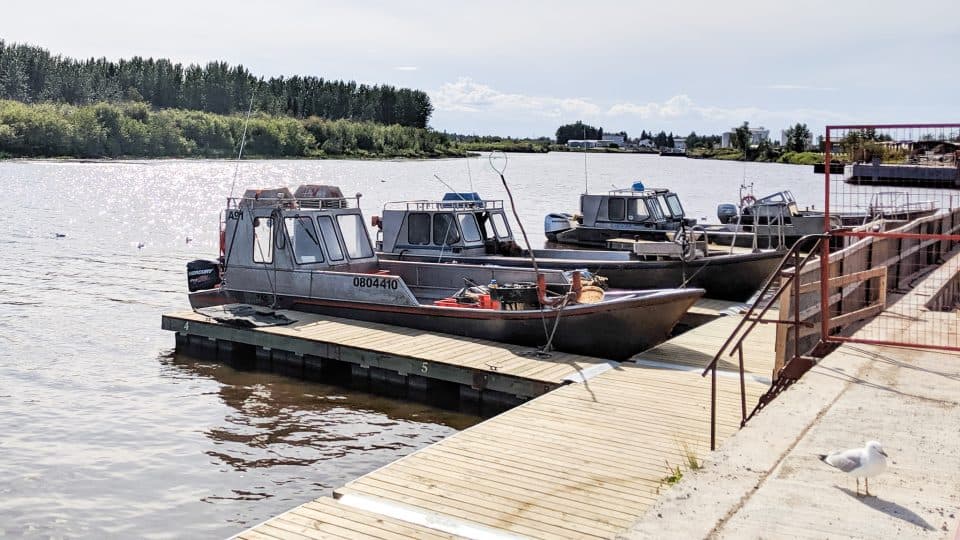
Dozens of people gathered on Tuesday to enjoy the first fish processed at a new facility in Hay River.
Politicians, fishers and residents attended the official opening of the long-awaited new freshwater fish processing plant.
Supporters say the plant will create jobs, increase the reach of NWT fish to southern markets, promote local food security, keep more economic benefits from the industry in the North, and generate higher returns for fishers.
Speaking at Tuesday’s event, Premier RJ Simpson – who lives in Hay River and is one of the town’s two MLAs – said the community has been the heart of the NWT’s fishing industry for decades.
“If you look around town, you look at the street names, you look at the people in the crowd here, those names and these people are here because of fishing. That is what this community is built on and still, today, we have a strong culture of fishing,” he said.
Advertisement.
Advertisement.
Currently, fish from the NWT are shipped to a plant operated by the Freshwater Fish Marketing Corporation in Winnipeg for commercial processing.
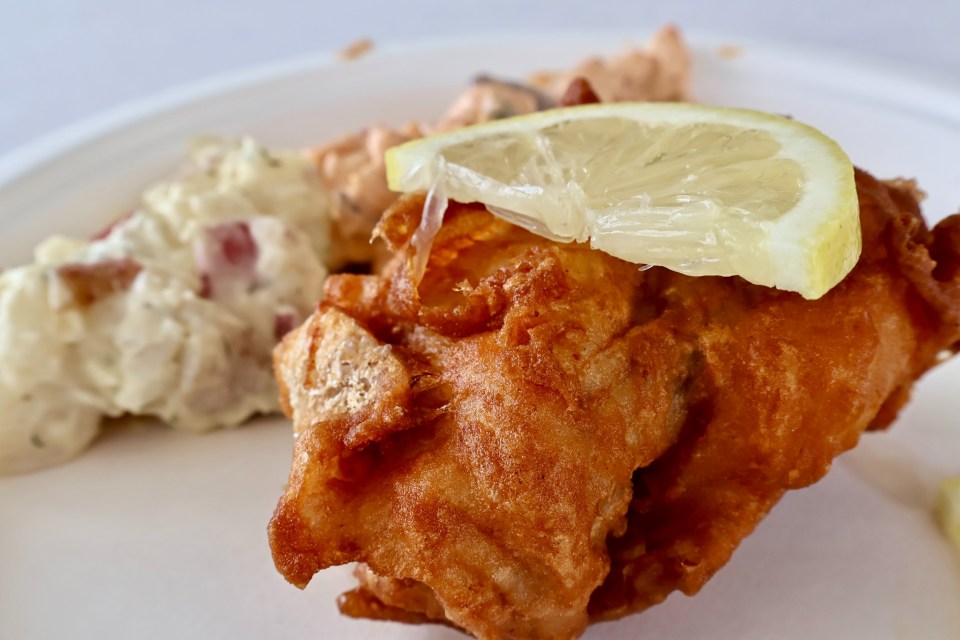
That will change when the new plant in Hay River formally begins operations, receiving and processing fish from Great Slave Lake, this November. (A small sample of fish has already been processed at the plant, some of which was cooked up at a fish fry for Tuesday’s grand opening.)
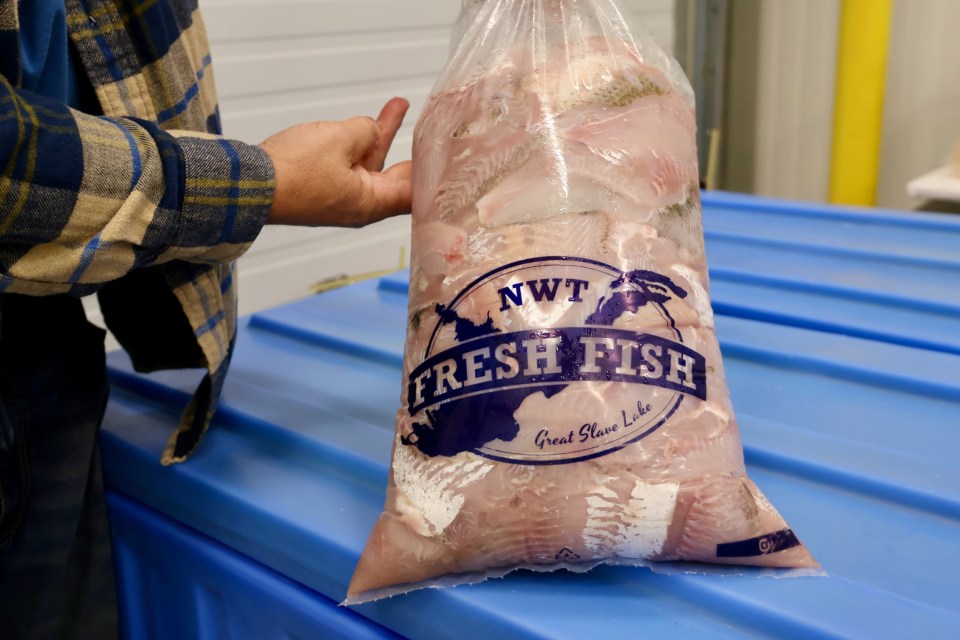
Simpson said the new facility will cut transportation costs and increase the value of fish by preserving its quality, which he hopes will mean more money in fishers’ pockets.
“We need to make sure that the fishers are paid what they deserve to be paid,” he said. “There’s money out in that lake and we need to make sure we’re getting every penny out of that that we can.”
Advertisement.
Advertisement.
Joel Holder, director of economic diversification at the NWT’s Department of Industry, Tourism and Investment, said the territory’s fish not being “lumped in” with fish from Manitoba also provides marketing opportunities.
“We believe our whitefish and the fish from Great Slave Lake is far superior to any other fish in any other lake,” he said.
“We can market this fish way better, with way better adjectives, than Freshwater Fish could.”
The Freshwater Fish Marketing Corporation, or FFMC, is a Crown corporation facing a transformation over concerns from some fishers that it has not always acted in their best interests or secured the best prices.
Until now, FFMC has held the monopoly on taking fish produced in the NWT and exporting it to other parts of Canada and the world. It also ran Hay River’s old fish plant.
FFMC has been contracted by the NWT government to run the new plant, too, for at least the first three years. It is tasked with staffing the facility, which is set to employ 15 to 20 people, and building local capacity to operate the plant.
The long-term goal is for the plant to be an independent northern-run business.
The NWT government has told the Tu Cho Fishers’ Cooperative – which last year voiced criticism of plans for the new plant – that it needs to make “significant process” on a set of 27 recommendations before the cooperative can manage the facility.
Advertisement.
Advertisement.
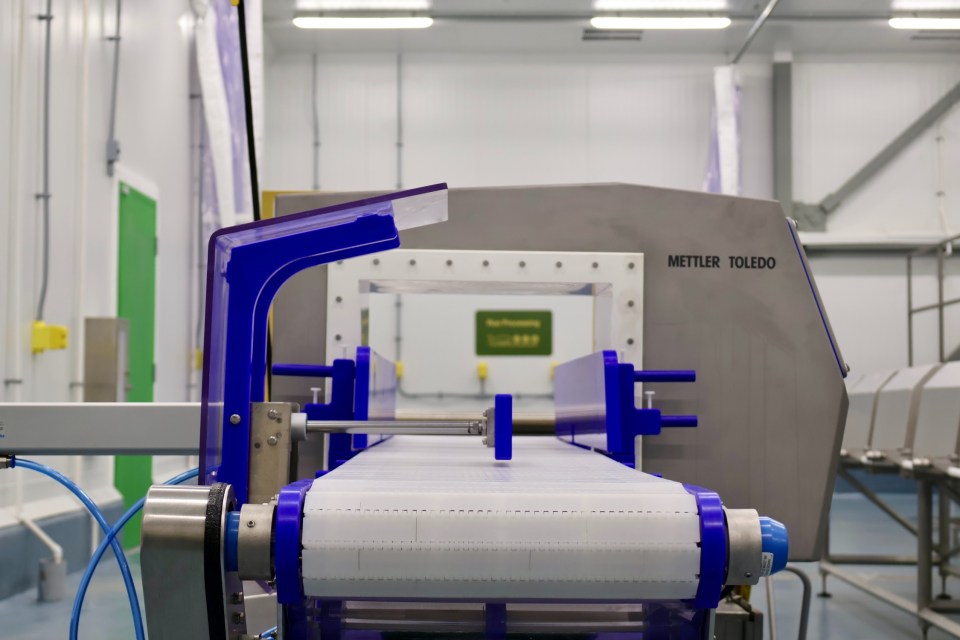
During a tour of the new plant, officials walked visitors through areas in which fish will be graded by size and species before moving on to sections dedicated to processing, freezing and shipping. They said the plant can process 40 fish a minute and freeze fillets within 20 to 30 minutes.
The plant has a blast freezer that can freeze whole fish and an area for processing roe, or fish eggs. Holder said roe can be worth three to four times the value of a fish’s flesh.
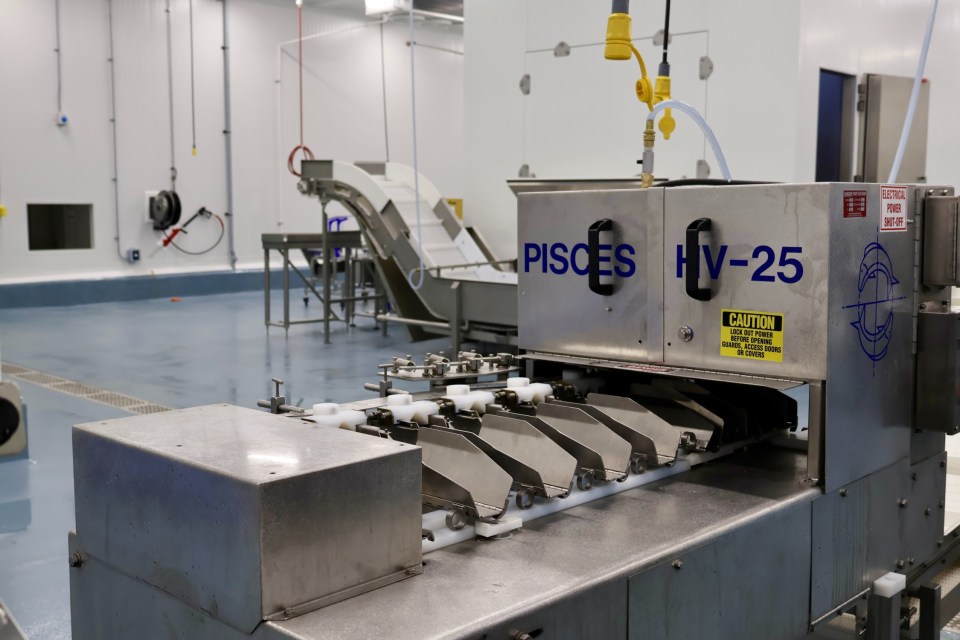
The new plant will accept all fish species from the lake and can process whitefish, lake trout, inconnu and pike. Plant manager Gordon Caudron said whitefish accounts for 60 percent of the catch from Great Slave Lake.
Holder said the new plant can handle more than 680,000 kg of fish a year.
Comparatively, the quota for Great Slave Lake is 3.5 million kg of fish, but industry minister Caitlin Cleveland said fishers were not reaching that cap even in “the heyday” of the industry.
As of August 31, she said the Great Slave Lake fishery had produced more than 300,000 kg of fish this year, which she called a “significant reversal” from a previous decline over the past five years.
“We definitely have room to grow,” the minister said.
“There is space for more people to get involved in fishing and get involved in this market, and we as the Northwest Territories are here to support that.”
Advertisement.
Advertisement.
In its first year of operations, Holder said the plant will be set up to process more than 360,000 kg of fish, about 270,000 kg of which will be available for sale at an estimated value of $2.4 million.
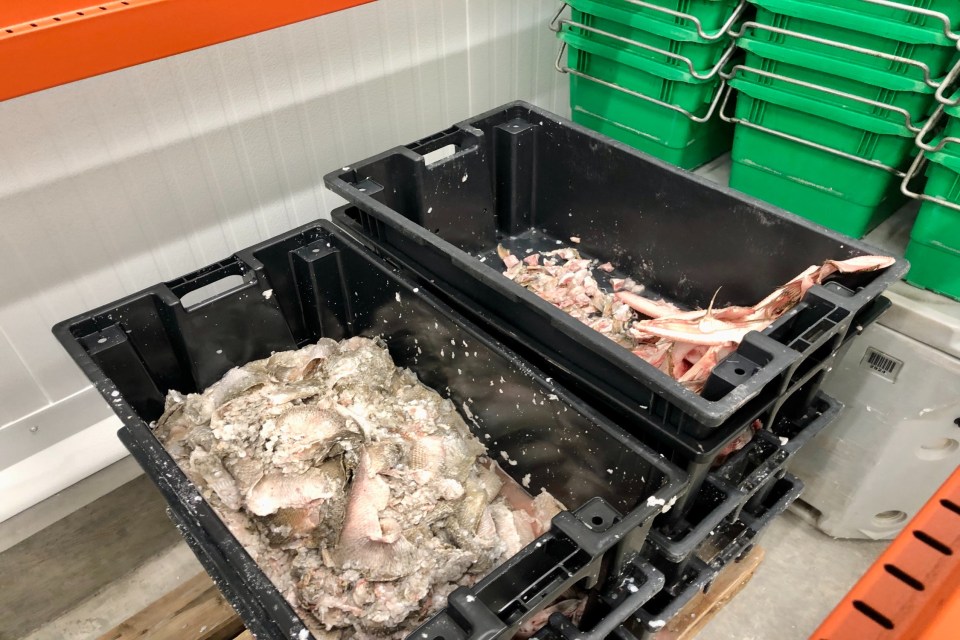
That means the plant will produce around 90,000 kg of fish waste, which Holder said the territory is hoping to capitalize on by finding a means of creating byproducts such as fish fertilizer.
The ultimate goal, he said, is a “full-circle, zero-waste” facility.
The federal government provided more than $8.8 million in funding for the project, which cost a total of more than $21.7 million to complete.
The new plant is a crown jewel in the NWT government’s strategy to revitalize the territory’s fishing industry.
Cleveland said the territory is also providing training programs, business development initiatives and entry-level certifications for deckhands to support growth of the sector.
“I look forward to seeing it grow and provide lasting benefits to our communities across the territory,” she said.
