


Amid increasing financial strain, NWT leaders say they are faced with tough decisions to cut spending or find new funding.
How best they should do that depends on who you ask.
The NWT government is facing rising prices and costly impacts from floods, wildfires and low water levels. The territory is nearing its debt ceiling and grappling with ageing or non-existent infrastructure alongside healthcare and housing crises.
Meanwhile, residents and MLAs have called for better programs, services and facilities; municipalities facing their own financial struggles want the territory to provide more funding; and industry and businesses want greater investment.
In an effort to address the NWT’s challenging financial outlook, Premier RJ Simpson and finance minister Caroline Wawzonek launched a fiscal responsibility strategy in February. It aims to find an additional $150 million annually across the territorial government through spending cuts or increased revenue.
Advertisement.
Advertisement.
But it’s not off to a great start.
Cabinet’s draft operational budget for 2024-25 proposed $48.4 million in cuts and $52 million in increased revenue compared to the previous budget, about $50 million short of the government’s goal.
Residents, regular MLAs and a union pushed back against some of those cuts, particularly plans to close the men’s unit of Fort Smith’s jail and discontinue a midwifery expansion. Responding to those concerns, Wawzonek added $13 million in spending back into the budget.
While the NWT government initially projected a $294-million operating surplus, the finance minister said last month that is now expected to be just $67 million due to multiple challenges. The territory had hoped to use the surplus to pay for infrastructure projects, with its latest capital budget including a total of $339 million in spending.
Advertisement.
Advertisement.
What residents say
The NWT government is now preparing to find savings in the 2025-26 operating budget.
The Union of Northern Workers has already expressed its displeasure at the territory’s plan to again try to close the Fort Smith jail’s men’s unit.
The NWT government, launching an online survey in August, asked residents about their thoughts on the upcoming budget to “ensure every dollar is spent in the best way to support the territory’s needs.” The finance minister also held budget engagement sessions with Indigenous and community governments, businesses and non-governmental organizations.
According to a report on the findings from that work, 112 people responded to the survey while the government met with 27 groups.
Popular suggestions to save money included reducing the government workforce, particularly what was termed top-heavy management. In the survey, the option “reduce management positions, especially at higher levels” received what the report’s authors termed “very high support” from people responding.
People who took the survey also, in general terms, wanted the NWT government to focus on core services and use technology to improve efficiency.
Some respondents suggested revenue-generating ideas such as supporting mining and exploration, though the survey talked in broad terms rather than specific programs and initiatives.
Respondents also liked the ideas of developing more strategies to attract and retain residents, working to generate more tourism dollars, and lobbying for increased federal funding.
Advertisement.
Advertisement.
What MLAs say
Initiatives the territory is already pursuing in a stated effort to spend money more efficiently include the creation of a healthcare system sustainability unit and changing how the NWT government funds communities.
Regular MLAs have also called for the auditor general to conduct a performance audit of the NWT’s health authority to improve its financial and operational sustainability, though that would likely take years.
Cabin Radio asked every regular MLA how else they believe the territory could better save money.
Three MLAs, all from Yellowknife, responded with ideas.
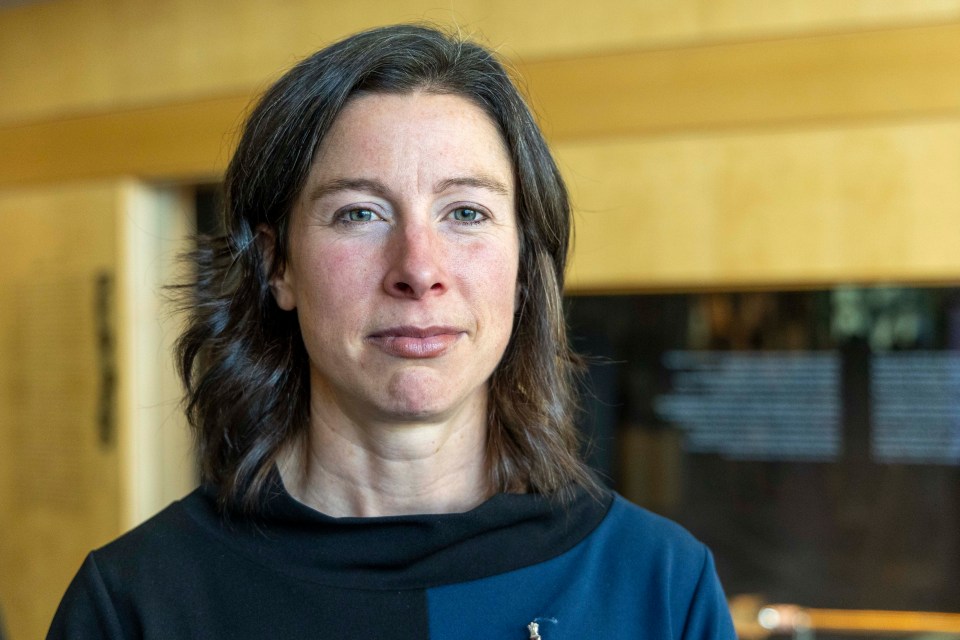
Shauna Morgan, the MLA for Yellowknife North, said there are several things she would have liked to have seen cut from the territory’s recent capital budget. While that budget ultimately passed, Morgan was one of several MLAs who voted against it, citing a lack of adequate investment in needed public housing.
Morgan said areas where the government could have more wisely saved money included cutting spending on a new tent-only campground at the Cameron River Crossing Territorial Park. She argued that project will “not come close” to recouping its building and operations costs through user fees and there appears to be little evidence of significant demand for it.
Morgan also highlighted funding committed to planning studies for new long-term care facilities in Fort Smith and Fort Simpson. She said there is no one on the waiting list for long-term care in Fort Smith and just two people in Fort Simpson.
“The needs assessments should be revisited first for these two facilities before we launch into a planning study to design specific facilities that we may not even need,” she wrote.
Advertisement.
Advertisement.
Morgan added there are many ways the territory could reduce healthcare spending, “which has been spiralling out of control,” and create a more efficient healthcare system with a stable workforce. She pointed to a March 2024 letter from the NWT Medical Association – representing physicians in the territory – that recommended reducing unnecessary medical travel and inefficient administrative tasks.
Finally, Morgan said the territory should re-examine its systems for controlling and managing land and community decisions, such as leasing lands to Indigenous governments and residents in their own communities. She said the NWT government needs to decide which responsibilities it should step away from, both ethically and to reduce duplication and operational costs.
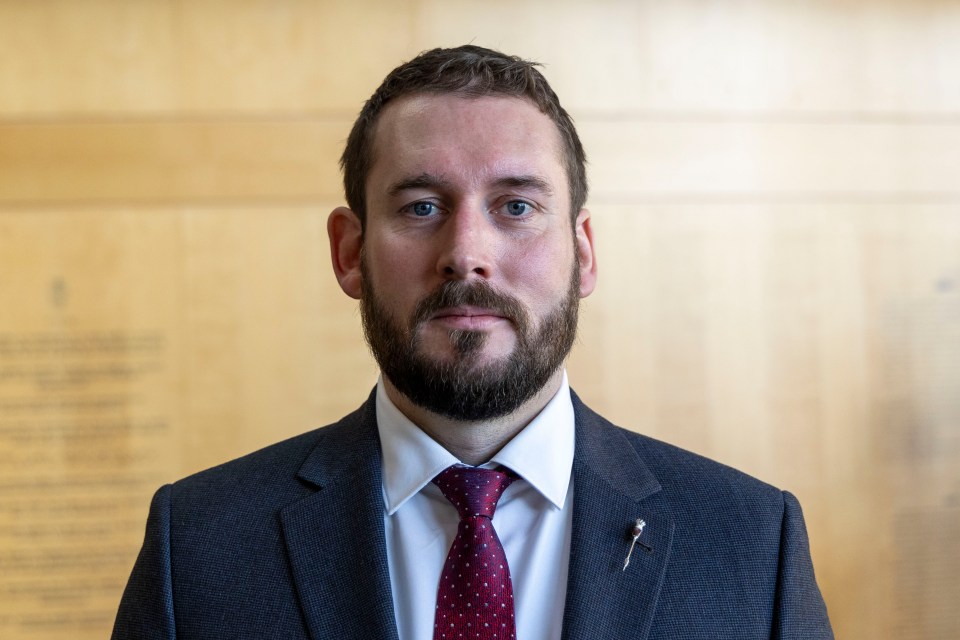
Julian Morse, representing Frame Lake, highlighted a speech he made in the legislature last month expressing concerns with the assembly’s capital budget process.
He said what appeared to be missing was a priority analysis ahead of the budget being drafted to determine how the government’s mandate could affect spending.
“This territory is now deeply in debt because we keep building more and doing more and failing to change how we operate,” he told the legislature. “These outcomes will not change until we change our processes.”
Morse told Cabin Radio that cabinet and the public service are best placed to come up with budget proposals and potential cuts in response to high-level direction from MLAs. He said MLAs are best suited to make decisions on that evidence rather than coming up with specific ideas on their own as they don’t have the same level of expertise.
He also called for the territory to apply comparative analysis to its business planning to ensure it will achieve goals such as northern employment.
“We can’t afford to be doing a little bit of everything and just hoping that it will all somehow come together in the end,” he said in the legislature.
Advertisement.
Advertisement.
Morse, who also voted against the capital budget over what he said was an inadequate housing commitment, added that he made a motion to cut three projects, totalling $865,000 in spending, from that budget. That included a gatehouse residence in Fort Simpson, a fixed roof structure in Blackstone Park and the Cameron River Crossing park. The motion failed to pass.
Operationally, Morse said the territory should be reviewing areas where there is jurisdictional duplication, overregulation or inefficient process.
“We should be in a constant process of evaluating programs and initiatives to determine if they still align with priorities or are achieving their respective mandates,” he wrote.
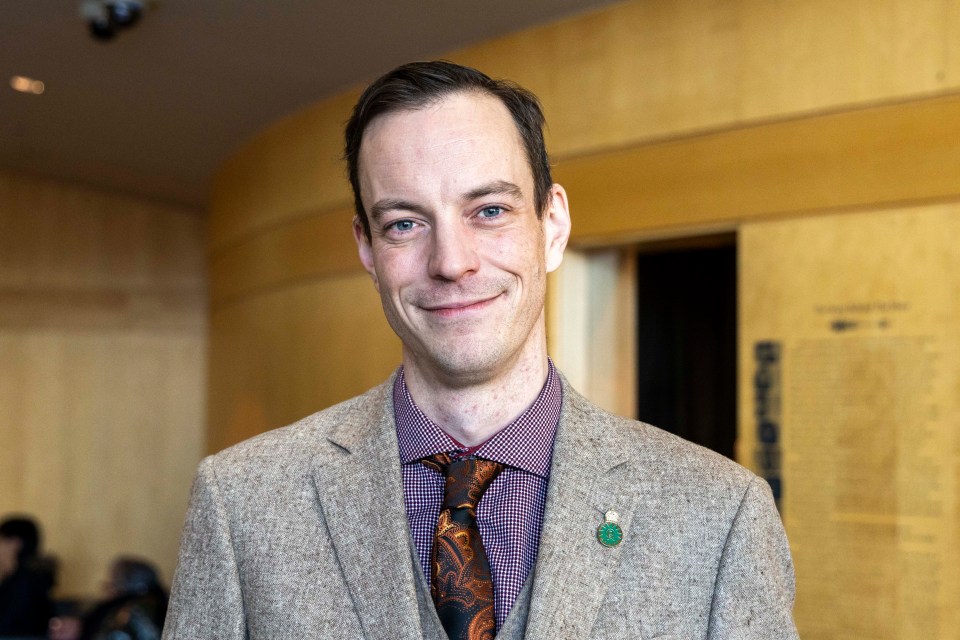
Range Lake MLA Kieron Testart said he believes it’s not a matter of the territory reducing spending but spending more efficiently.
Ideas he shared that he believes are cost-effective ways to create growth in the NWT include phasing out private agency nurses within a year, privatizing agencies whose roles might be better performed by the market such as the NWT Power Corporation and Marine Transportation Services, and using public-private partnerships to get major infrastructure projects built such as the Taltson hydro expansion and Mackenzie Valley Highway.
Testart said the NWT should also prioritize a connection to the southern power grid through federal funding, allowing it to sell excess power south while also importing cheaper electricity.
He also suggested shifting some of the medical travel burden to the federal government when it should be covered by non-insured health benefits; transferring more services, funding and staffing to Indigenous governments; and seeking federal tax exemptions then mirroring them in territorial taxation to encourage growth of the financial services sector and population growth.
