


The NWT’s health department has opened an STI clinic in Yellowknife to help residents receive testing quickly and easily.
Cabin Radio visited the clinic – in the same building as Dr Wong’s Range Lake Clinic in Unit 103 at 487 Range Lake Road, across the street from Copperhouse and beside the Monkey Tree – so you know what to expect when you visit for a screening.
The clinic screens for all sexually transmitted and bloodborne infections (STBBIs) and encourages people to get tested every three months if they are changing partners or having anonymous sex, high-risk sex or unprotected sex.

The clinic accepts both walk-in and booked appointments and is typically open from Monday to Friday from 3-8pm or 4-9pm, then on Saturdays from 1-6pm. Since hours are subject to change based on staff availability and statutory holidays, people are encouraged to book ahead online.
At the clinic, you’ll receive a blood test and complete a urine test (hold your pee for at least an hour before you visit). If you’re showing symptoms, you may also receive treatment immediately.
Advertisement.
Advertisement.
At the appointment, you’ll receive a personal password on a slip of paper. Your results will be sent within about a week in an encrypted email that you’ll need your personal password to unlock. If you haven’t received your results in a week, check your spam folder or follow up with the clinic.
For people with a valid NWT healthcare card, testing is free. If you don’t have NWT healthcare, the cost is $120.
We talked to Caroline Newberry, manager of the communicable disease control unit within the Department of Health and Social Services, and Christian Norwick, a registered nurse at the clinic, to learn more about what to expect at the clinic and when you should make an appointment or drop by.
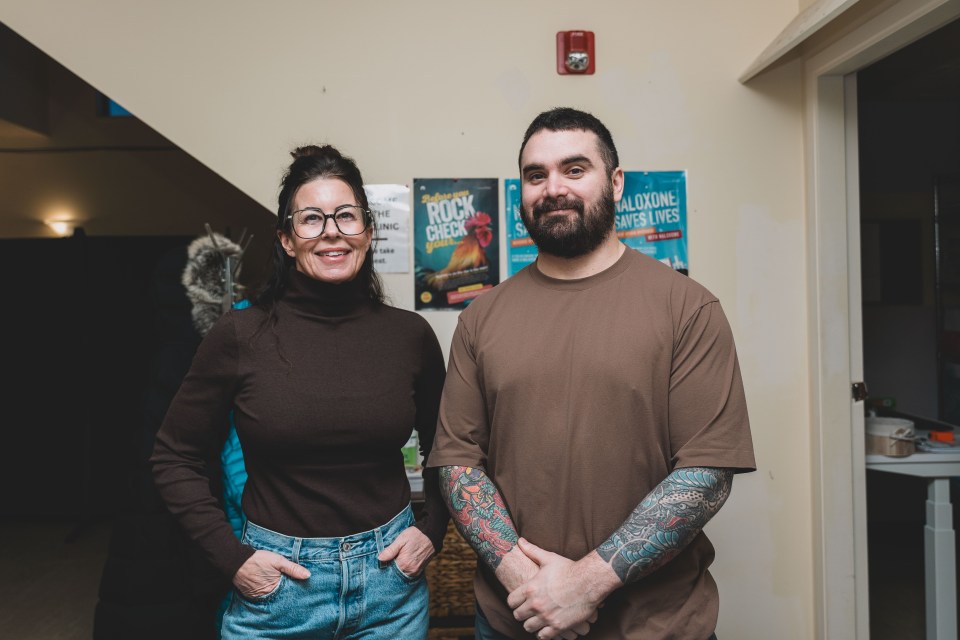
This interview was recorded on December 9, 2024. The transcript has been lightly edited for clarity.
Advertisement.
Advertisement.
Cabin Radio: How did this STI clinic come to be?
Caroline Newberry: In 2019 we declared a syphilis outbreak due to rising cases. Since 2019 we’ve tried to implement a number of measures to combat the syphilis outbreak. Unfortunately, during the Covid pandemic, cases rose, and since the Covid pandemic, testing has decreased a bit.
The ability to get STI testing in Yellowknife is not that easy. It requires you to go to make an appointment with your family physician – if you have a family physician – and then you have to talk to your family physician about why you want to have testing, then you get a requisition, then you have to call the lab and make an appointment.
Here, you can walk in and get STI testing. The nurses aren’t going to ask you why you’re here. It’s convenient. It’s after hours, which is not offered in Yellowknife, and it’s very timely. So people can get in, they can get results, they can get treated. They can notify their contacts.
You mentioned there’s a syphilis outbreak that’s been ongoing. Are we only testing for syphilis or are we testing for other things, too?
Newberry: We’re testing for all STBBIs, which are sexually transmitted and bloodborne infections. Syphilis is a bloodborne infection, as are HIV and hepatitis. So we test for all of those, plus the standard chlamydia, gonorrhea.
If people want to come to the clinic, where is it? What are people looking for and how do they get to the room we’re standing in now?
Christian Norwick: The clinic is where Dr Wong and Dr Ayoubi’s walk-in clinics are. We’re just in the far back and downstairs. If you were to walk in the front doors, where you would be in the foyer of Dr Ayoubi clinic, you just keep going back and then eventually you come to me, where I have a sign that says we are open or closed at the far back.
Advertisement.
Advertisement.

Can you walk me through what you would tell people and how you would make them feel comfortable?
Norwick: Once you come into the room, we’ve got some waiting chairs – some more comfortable than others.
If I am with a client, on the door you’ll see a sign that says, “Be with you in a minute.” If not, the door is usually open. I’m sitting, waiting.
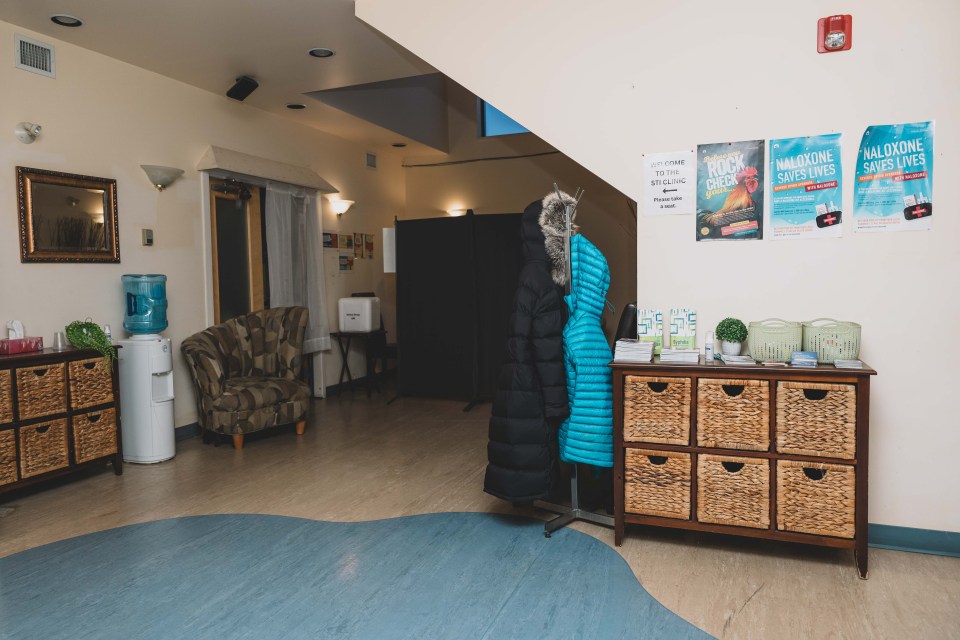
We usually play some soft music, so people [in the waiting room] can’t hear what is said in the room.
Once I sit you down, I give you an introduction. I say I’m going to ask you a series of questions and if you’re uncomfortable, you don’t have to answer, but the more you answer, the better for me.
First question is pretty easy: what brought you in today? And usually from there, it guides where we’re going to go. If they say they are just here for routine screening, I say, awesome. I can get you done typically as fast as it takes me to find a vein on your arm – we usually start with drawing blood.
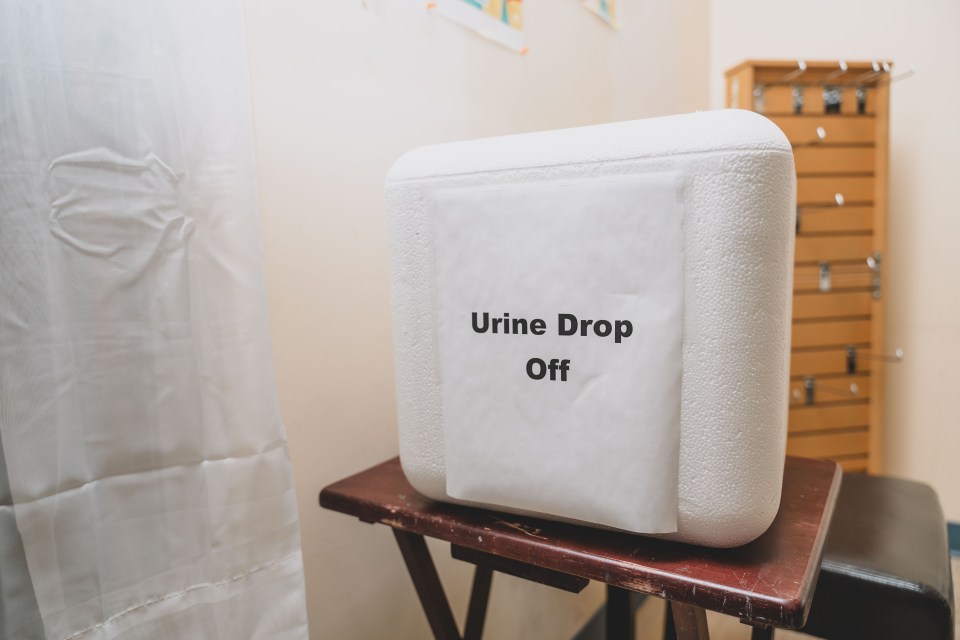
I asked you about your history – any STIs before? – and the most important thing is, have you peed in the last hour? And if they have, unfortunately, we have to swab instead of just getting you to pee in a cup, so the big notice out there is, please don’t pee before you come to the clinic for at least one hour.
How have things have been going so far and what else would you still like to see?
Advertisement.
Advertisement.
Norwick: Stats-wise, we’ve done 166 people in the first three months. When we first opened, Dr Wong said we’d be lucky to get 12 people a week – some days we get 12 a day, but there are some weeks where we get just the standard 15.
Last week we had 36 in one week. It was just go, go, go. Typically it’s more on Thursdays, Fridays, Saturdays – and after major events, people come see us, which is great.

Newberry: We’re really happy with the amount of people that have come through the doors. We’ve gotten some feedback to say that it is really nice and convenient. People are very thankful for having walk-in capacity, because there is no such thing really in Yellowknife, and it’s very difficult to get appointments.
Is there anything else we should know about the clinic?
Newberry: You don’t have to tell anyone what you’re here for. Obviously, the more information that you give to your healthcare provider, the better able they are to assess you and your needs. But you can just walk in and ask to have STI screening, as Christian said.
You can have your blood drawn for syphilis, HIV, hepatitis B and C, and then you can either provide a urine sample or a swab of the genital area for gonorrhea and chlamydia. We like to collect as many samples as we can, because that provides us with the best information on how to potentially treat somebody.
You don’t have to come back and get treatment. If you are symptomatic, you’ll get treated on the spot.
When should people come and get tested?
Advertisement.
Advertisement.
Newberry: You don’t have to be symptomatic to come to the STI clinic. We really want people to look at STI screening as looking after their own personal health. If you’re looking after your oral health, you go to the dentist. If you’re looking after your physical body, you get a well-woman or a well-man check.
If you’re having sex that’s unprotected or you’re having high-risk activity sex, like you participate in sex with more than one person or you have anonymous sex, screening is the best way to pick up STIs before you become symptomatic.
We want to really encourage people that if you’re changing partners, or you’re having anonymous sex, or you’re having high-risk sex, or you have unprotected sex, just come in every three months.
