



The Territorial Housing Needs Assessment survey, which asks NWT residents for their opinions on housing, opened this week.
In a press release, the territorial government said this is the first time in more than 20 years that “a housing study of this scale has been done across the entire NWT.”
The GNWT hopes the survey will provide “a clear, up-to-date picture of housing challenges at the community, regional and territorial levels,” which will in turn “help shape better housing programs and funding decisions.”
Residents are asked to take part in an online survey of their “experiences and priorities.” The survey is open until August 31 and you could win one of six $100 gift cards to local grocery stores by taking part.
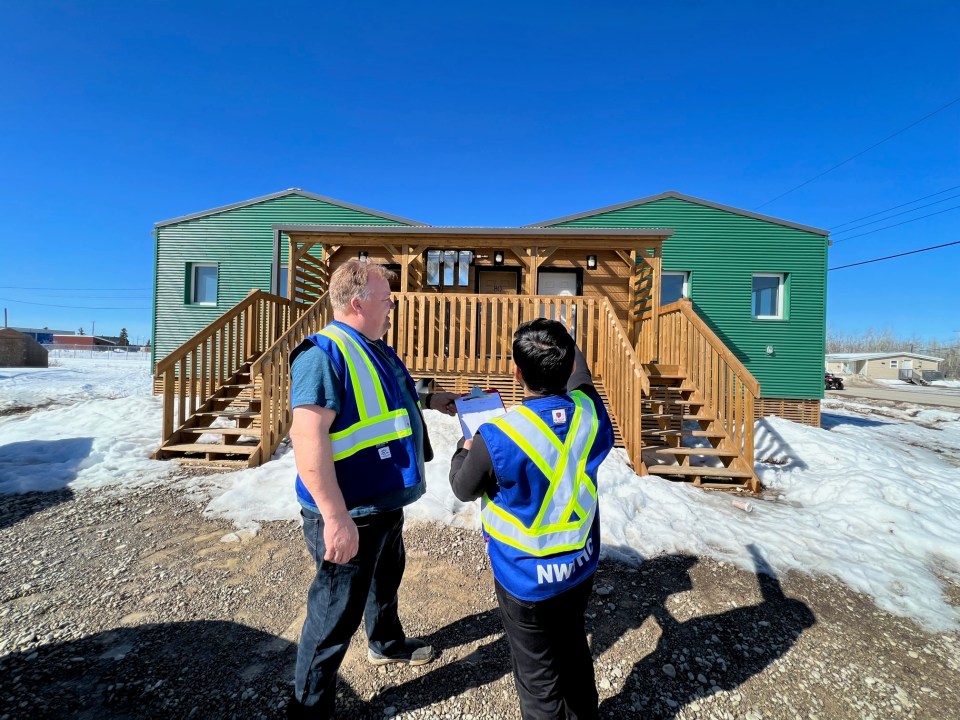
Housing NWT communications manager Jeanne Gard told Cabin Radio information gathered in the Territorial Housing Needs Assessment will be used by the GNWT to advocate for increased federal funding for housing projects.
Advertisement.
Advertisement.
Data will be made available to community and Indigenous governments who “might not have the capacity to do their own housing assessments,” said Gard.
Gard said Housing NWT was “really encouraged” by the number of survey responses recorded in the assessment’s opening days and the feedback from Indigenous and community governments.
The broader housing assessment, Gard said, began in 2024 through statistical data collection related to housing needs. The second part of the assessment, which began in May, involves community input.
Gard said that combination should paint an accurate picture of the housing situation in the NWT.
Advertisement.
Advertisement.
“We’re not just using numbers. Getting feedback from community leadership and residents is really going to give us context for the data,” said Gard.
“We know that sometimes in the smaller communites, the statistics don’t always match the realities of the community. So the feedback we’re getting through the survey really helps tell the story of the housing situation in the NWT, which is important when comparing our needs with other areas.”
Gard said Housing NWT is working with PlanIt North, a northern consulting firm, to collect community input from across the territory.
This includes travelling to communities, doing virtual consults, and taking previously collected statistical data to Indigenous and community governments to ask if the data “captures everything.”
Results are set to be released in December.
