


The Amazing Race Canada’s producers say the NWT’s film rebate program helped the show reach the Arctic coast for the first time.
The fourth episode of the show’s 11th season, which aired this week and is available online, takes contestants in the country-crossing series to Inuvik and Tuktoyaktuk.
Showrunner Mark Lysakowski said one reason for the trip is the NWT’s film rebate program, which offers a tax credit to productions that visit the territory.
“This year, we really worked with the film office in the NWT and the territorial government, as well as the communities – both Inuvialuit, Gwich’in, and the people of Tuk and the people of Inuvik – and we were able to work the tax credit that’s in place to get the show to come up,” Lysakowski told Cabin Radio.
The tax rebate that productions could access in the NWT used to be quite low compared to other jurisdictions, most of which are trying similar tactics to attract TV shows, movies and their money.
Advertisement.
Advertisement.
In November 2024, the territorial government announced a “significant expansion and enhancement” of the program. Its annual budget used to be $100,000 but grew to $500,000 in 2024-25 and $1 million in 2025-26.
“With new resources and expanded eligibility, we are excited to welcome a broader range of projects that will showcase the Northwest Territories’ unique stories, landscapes, and cultures to the world,” industry and tourism minister Caitlin Cleveland said late last year.
On his Instagram, Lysakowski said The Amazing Race Canada had made it to the Arctic coast “after several attempts,” without elaborating.
“So many hands made this happen. But it could not have been done without the support of our friends in the North,” he wrote.
Advertisement.
Advertisement.
“Thank you to the territorial government of NWT and the communities of Inuvik and Tuktoyaktuk as well as the Gwich’in and Inuvialuit people.”
NWT Tourism has sought to capitalize on the show’s latest episode, too.
“You watched it on the Amazing Race Canada, now come experience it for yourself,” NWT Tourism stated on a webpage set up to attract people heading online for more information about watching the episode.
“This summer, The Amazing Race Canada is bringing millions of viewers to the Northwest Territories, showcasing the rugged beauty and vibrant culture of Inuvik and Tuktoyaktuk in the Western Arctic. But that’s just the beginning.
“From Arctic coastlines and wild waterfalls to Indigenous communities and wide-open tundra, there’s a whole North waiting to be explored.”
Below, read a transcript of our interview with Lysakowski about filming the show on the Arctic coast and the decision to choose that location.
This interview was recorded on July 30, 2025. The transcript has been edited for length and clarity.
Aastha Sethi: This is the show’s first time reaching the Arctic Ocean, is that right?
Advertisement.
Advertisement.
Mark Lysakowski: That’s correct. We’ve been to the Northwest Territories before and had really great episodes, but we’ve never quite made it to the Arctic coast. This is a really exciting adventure for us and it’s something we’ve been trying to do for years, and we were finally able to do it. It was a bit of a bucket-list for the production itself.
When was the last time you visited the NWT?
I think it was probably season seven or eight, I’m not exactly sure.
What made this the season to finally head that far north?
This year, we really worked with the film office in the NWT and the territorial government, as well as the communities – both Inuvialuit, Gwich’in, and the people of Tuk and the people of Inuvik – and we were able to work the tax credit that’s in place to get the show to come up.
And this season also has three First Nation teams among the contestants.
We always want the racers that you see on the show to represent the country. It changes from season to season, but I find more and more the Indigenous communities of Canada are really wanting to take part in the show and audition for the show, so it’s pretty awesome.
The whole point of The Amazing Race Canada is for it to represent all of Canada, and that always includes the Indigenous population. We’ve represented the Indigenous population throughout the series, whether it’s with challenges, whether it’s going to particular places, and also, of course, having teams on the show.
Advertisement.
Advertisement.
What was it like filming in Inuvik and Tuk?
Filming in the Far North is complicated because you’re dealing with an area that has colder temperatures, so you’ve got to factor in cold, but you’re also dealing with a place where you have to think about the things you need to bring in.
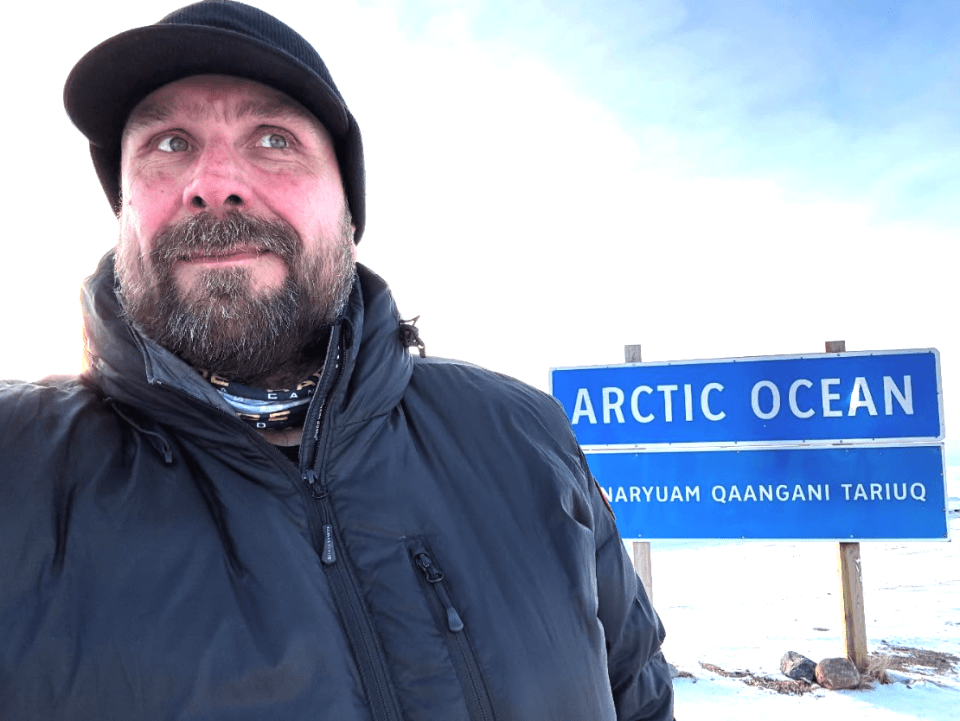
What I really loved the most was working with the local community, the production assistants, drivers and local art teams, and working with the people that you saw on camera that were helping us develop challenges.
To me, that’s the best part of the show: meeting the local community and working with them to help tell their story on a national stage.
How did the communities respond to being part of the race?
From the very first conversations we had with the local towns of Inuvik and Tuktoyaktuk, and also the Indigenous councils as well as the territorial government, everyone was wonderful.
They’re like, ‘Yes, please come up and we would love to have you.’ And I think the inclusion of the tax credit [shows] they want to encourage more filming so we can see the North on screens all across Canada.
Were there moments behind the scenes that really stood out to you?
Advertisement.
Advertisement.
I’ve been lucky enough to go north and work in these communities before, with this show or other shows, and the thing that always stands out to me are the people and how welcoming they are.

But the other thing that also really blows your mind is how much daylight there is and how long the sun is up. I think the thing that throws people off is just how long it’s light. So we shot that episode of the race and we finished around, I would say, 10pm at night. When you watch it, you don’t know, but the fact that it was still very daylight at the end of the day, that’s a huge thing. I think that’s a surprise for so many people from the south.
Cold aside – it was only -20C, so that’s not that cold, we all know how to dress for that – but the daylight really is striking, it really can play with you. So I can’t imagine what it’s like in the summer, where it never sets.
Now that the race has touched the Arctic Ocean, where do you go next?
There’s still lots of places to visit in Canada.
The show’s been on the air long enough that it’s also time to go back to places we’ve been and discover new things, new stories and new challenges. It’s a staple of the Canadian summer viewing season.
Canada is always growing. It’s always building. We’re moving forward. Having done this show now for 11 years, there are things that didn’t exist in season one when we were scouting and planning episodes.
Canada is a big place, and I know the people in the North know it’s big because they live up there, and it’s a distance to get from Inuvik or Tuktoyaktuk down to Edmonton or to Yellowknife.
My only message to anyone is thanks for watching and if you can, get out there and explore Canada.You don’t have to go from coast to coast to coast, but just explore your community and get to know the various things in your community, because you never know what cool things are waiting around the corner.
