


Housing NWT says it has completed renovation work at downtown Yellowknife’s Aspen Apartments – which will now serve social housing tenants.
Of the 36 units available, which are now managed by Housing NWT, 30 are one-bedroom apartments while the rest are two-bedroom.
Previously, the building was federally owned and vacant. Millions of dollars in federal funding was used on the conversion work.
According to the GNWT, the upgrades will extend the service life of the building – located on 51 Street – by 25 years.
“Suitable, accessible and affordable housing is essential to the broader goals of this government to promote vibrant communities and enhance economic growth and business development,” housing minister Lucy Kuptana said at a tour of the facility on Thursday.
Advertisement.
Advertisement.

Kuptana said the project will ease pressure on Yellowknife’s housing market by moving tenants from privately leased apartments to Aspen, opening up those private units to others. (Currently, some social housing tenants are housed in units within private complexes owned by the likes of rental giant Northview.)
The Yellowknife Housing Authority will determine which residents will be relocated.
Arcan Construction led the renovation work, supported by design and construction oversight from Stantec.
Yellowknife Mayor Ben Hendriksen said while the renovations could not meet every housing need in the city, the project was “a meaningful step in the right direction.”
Advertisement.
Advertisement.
“Not long ago, this building was empty and ageing. Today, it’s ready to open its doors to safe and stable homes for Yellowknifers who need them,” he said.
“The city is proud to have supported this project with a significant contribution of rapid rehousing funds, helping ensure Aspen could move forward and ultimately become long-term public housing for all.
“For many Yellowknifers, because of this work, households will soon have a place that they can rely on and that matters.”
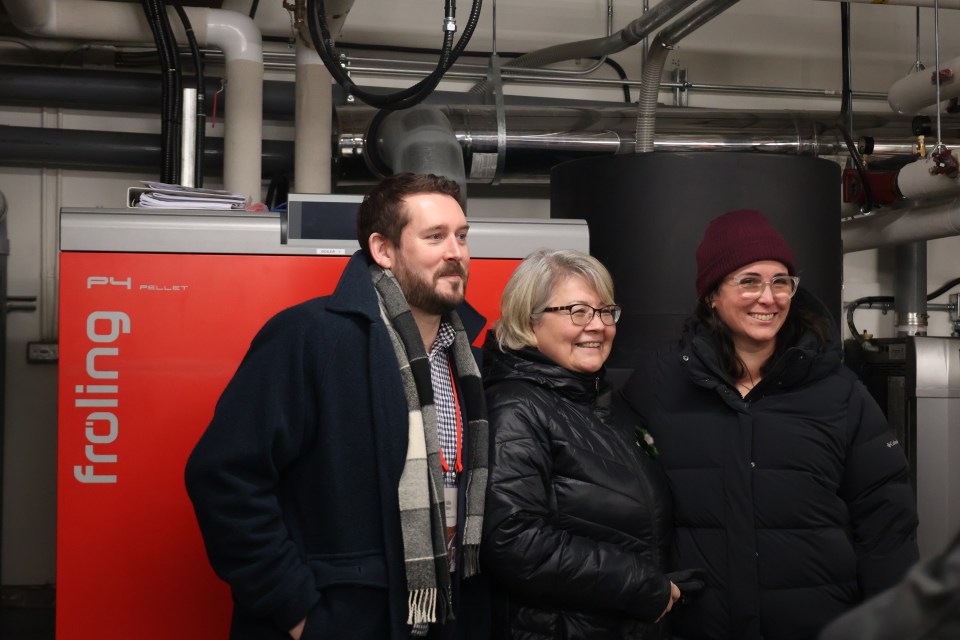
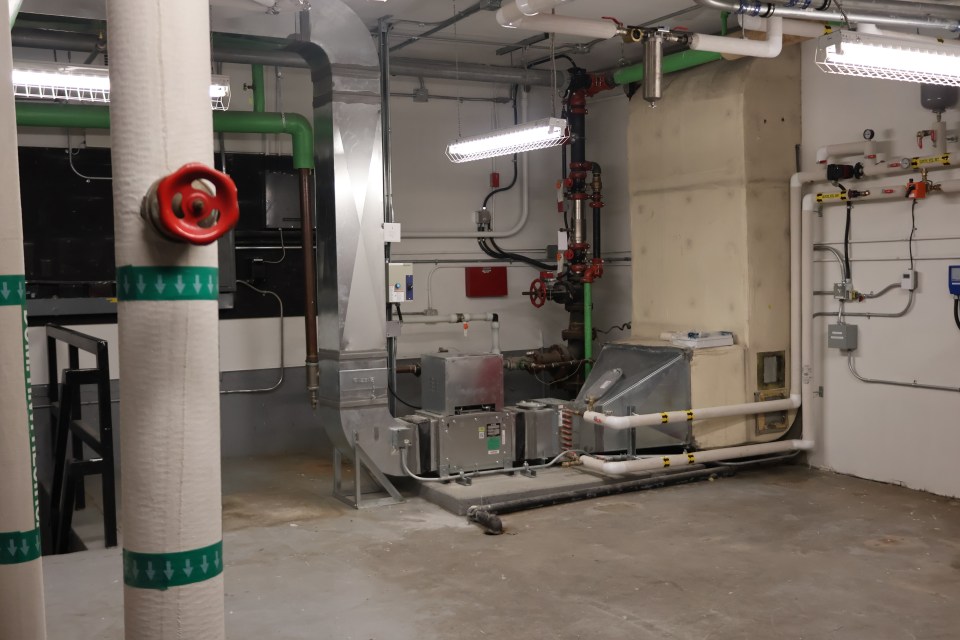
Dan Korver, director of infrastructure services at Housing NWT, said changes to Aspen Apartments’ mechanical room included replacing oil-fired boilers with high-efficiency propane boilers.
Other upgrades included the installation of fire alarms and sprinklers, improved ventilation, increased operational efficiency and a new security system.
Korver said what used to be a 10,000-litre oil tank was replaced with a pellet storage container, which is expected to offset 80 percent of the building’s previous fuel oil use.
