



Advertisement.
NWT Fire will use “prevention specialists” to try to minimize the number of wildfires started by human beings this summer.
Wildfires in the Northwest Territories are rarely started by arson. It’s almost impossible for humans to readily reach most of the remote boreal forest where many lightning-caused fires begin.
But nearer to communities, along highways and in campgrounds, a big threat is carelessness – or at least, people failing to take all the precautions they could.
The NWT’s South Slave and Dehcho are already extremely dry and warm weather is forecast, meaning small mistakes this summer could result in large fires.
Advertisement.
Advertisement.
“As we head into a really dry beginning of the season, person-caused fires are considered to be a pretty significant risk,” said NWT Fire spokesperson Mike Westwick this week.
“To support our prevention and mitigation activities, we are bringing on two prevention specialists on a seasonal basis. They are going to be our boots on the ground to back up all the good work on communication and outreach.”
Westwick said the two specialists will be sent on the land, into campgrounds and even to meet graduating students ahead of grad parties, “encouraging people to take steps to prevent person-caused fires every step of the way.”
“We really want to make sure we’re out there encouraging folks to be smart while they’re out on the land,” he said.
Advertisement.
Advertisement.
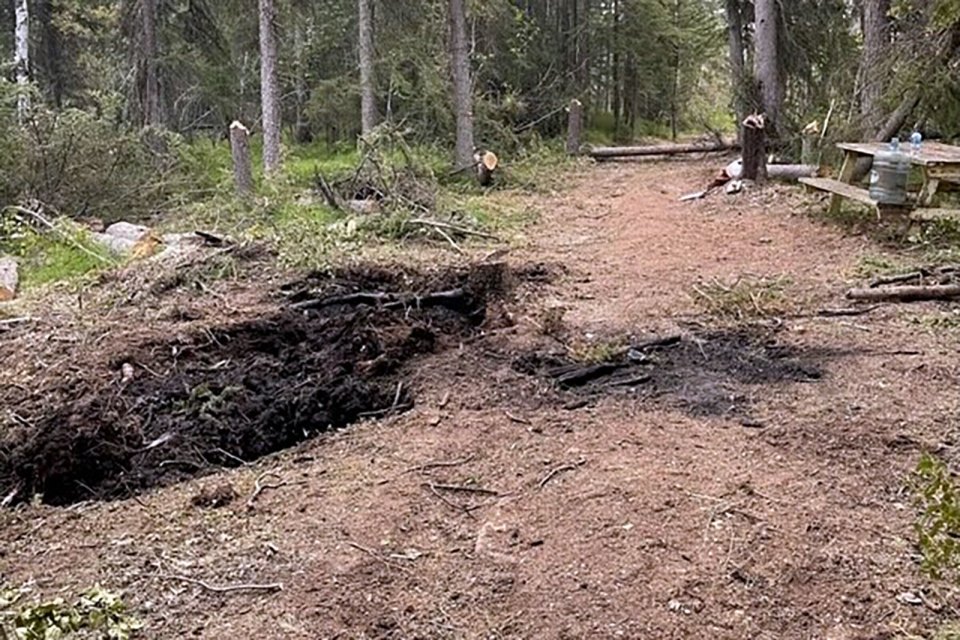
A national summary of 2023’s fire season notes that the fire responsible for May’s evacuation of Hay River and the Kátł’odeeche First Nation was person-caused.
Westwick said NWT Fire also intends to launch “direct outreach on Firesmart activities,” meaning staff turning up in neighbourhoods and “working directly with homeowners” to ensure properties are as well-protected as they can be.
“This additional capacity is going to be an important piece of the puzzle because of course, during fire season, many of our personnel who would typically be doing this work are very busy,” he said.
Westwick stressed that most northerners are “pretty good” at assuming responsibility for fire risks on the land or at campgrounds, “taking good steps to prevent person-caused fire.”
“Just as we do every year, we’re aggressively communicating that,” he said.
“I’m really pleased to be having some additional backup on the ground to assist the good work that’s been done at the regional level over the year, and really have folks out there focused on prevention – and being able to insert themselves into situations that really get people to think about those potential consequences of not being especially careful out there.”
