



Advertisement.
Rio Tinto has toured reporters through its Diavik site as it promises a “successful closure” at the diamond mine, which is set to end production in 2026.
Diavik has been working for years on what it calls “progressive closure,” a process of gradually winding down and remediating as it goes, rather than starting closure from scratch once operations end.
That means closure and reclamation work is expected to be wrapped up by 2029, a relatively fast pace by the standards of a large mine. At Snap Lake, for example, a smaller NWT diamond mine that ceased operations in 2015, the closure period after mining ended – in more abrupt circumstances – took longer.
Even so, Diavik said monitoring work will extend for another 10 to 20 years, if not more, with a goal of ultimately relinquishing the land.
Advertisement.
Advertisement.
Matthew Breen, Diavik’s chief operating officer, said the team is aiming to return the site “as close as possible” to its initial state by helping vegetation to grow again and making the landscape – which now bears giant open pits as scars, alongside artificial dykes to hold back water – appear more natural.
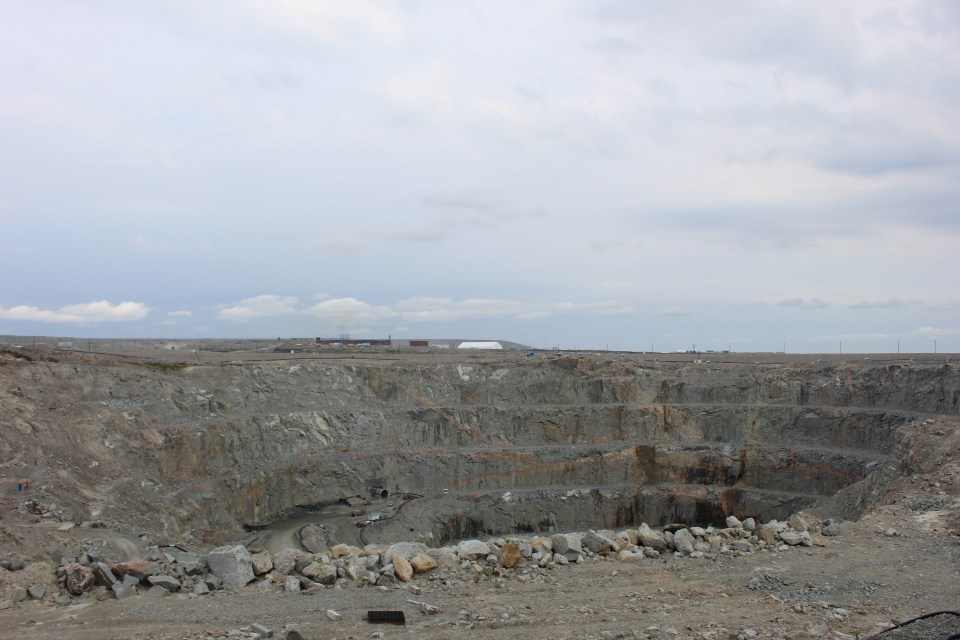
Breen points to the way Diavik built the “north country rock pile” – a storage area for waste rock – as an example of how the remains of a mine can be designed to reflect the surrounding landscape.
The rock pile is intended to resemble an esker, a type of gravel ridge commonly found in this part of northern Canada. Work to prepare the pile’s 20 years of waste rock for closure is 97-percent complete, Breen said.
“We’ve been preparing for closure since day one,” said Breen, returning to the theme of progressive closure. He said that approach had not been “set in stone back in 2003,” when Diavik began operating, but had “really progressed over the years.”
Advertisement.
Advertisement.
“As the climate has changed, as the government regulations have changed, we’ve changed it,” he said. “What we’re trying to do now is really show that closure can be successful.”
Tasks required to reach that goal include safely removing all hazardous materials – anything from fire extinguishers, ballast and lights to substances that contain hydrocarbons or mercury – and Diavik said staff have worked alongside inspectors to do so, for example when removing hazardous material from the A418 pit.
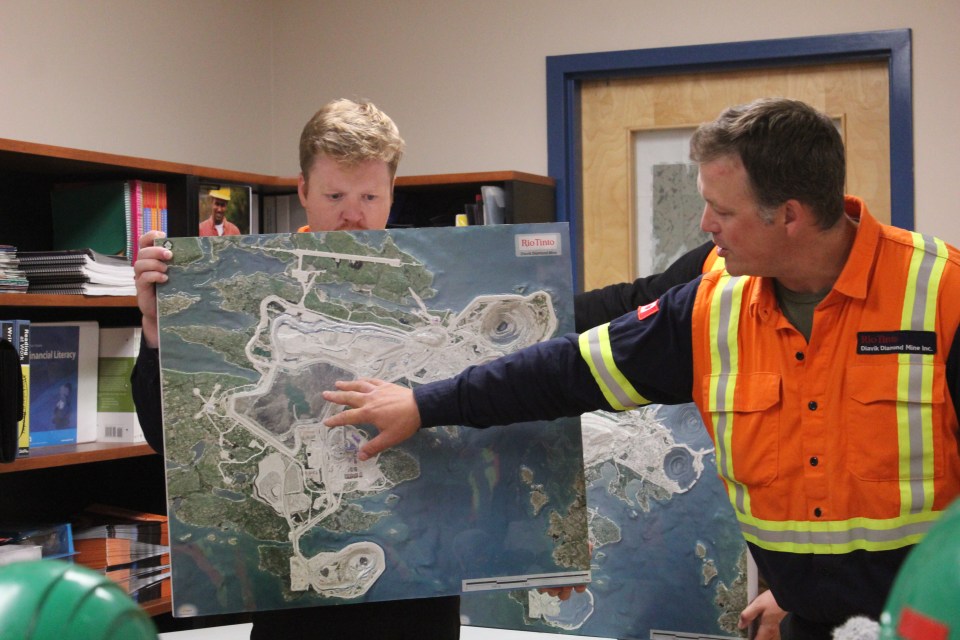
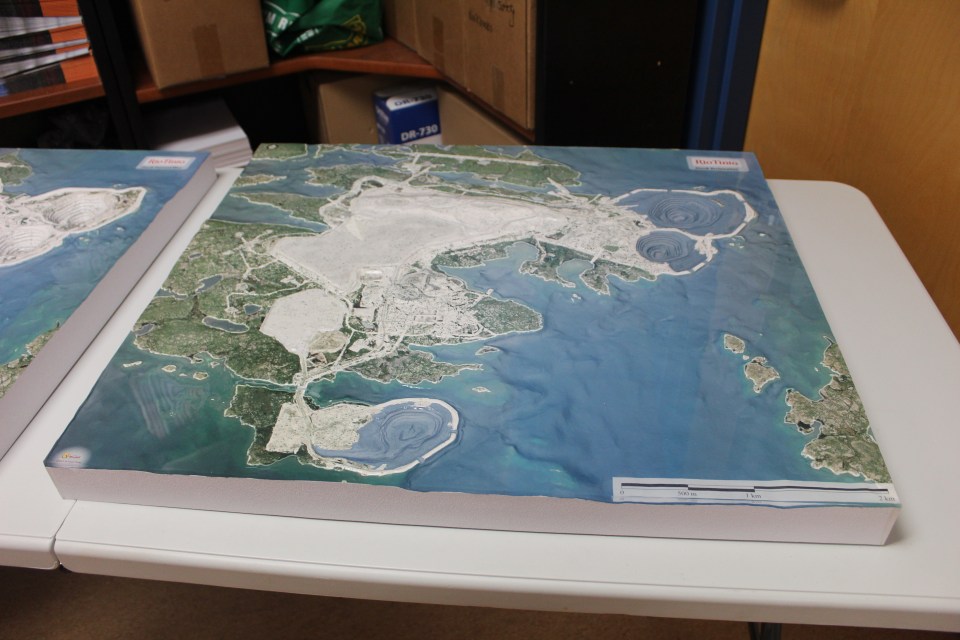
Underground mining continues at Diavik for the time being, beneath the A154 and A21 pits. A third pit, A418, has been mined out.
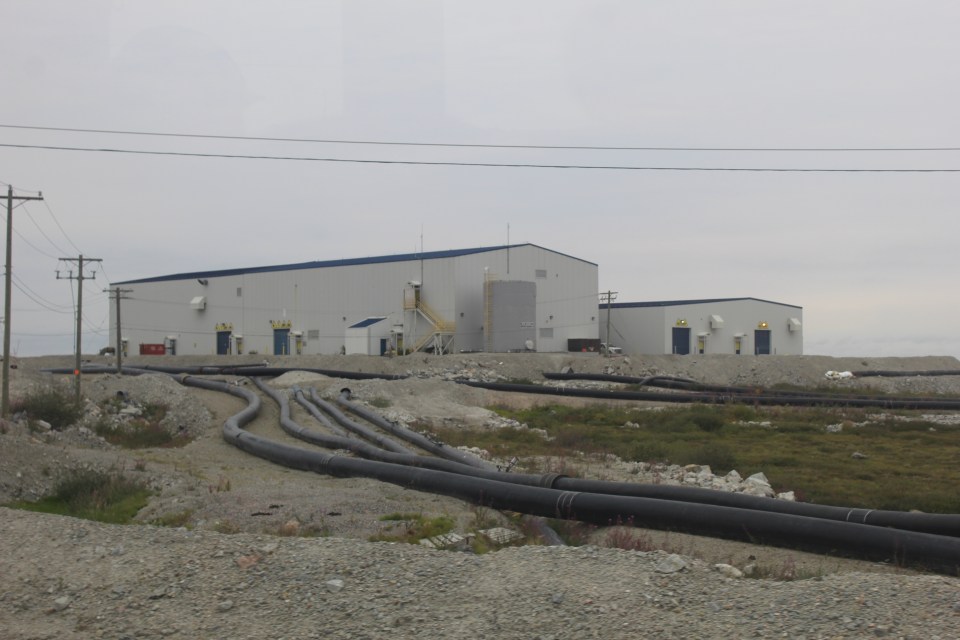
Eventually, those open pits will be flooded. The A21 pit, for example, will be flooded using pipes installed once mining is over, said surface operations and closure manager Gord Stephenson. That process will take six to eight months.
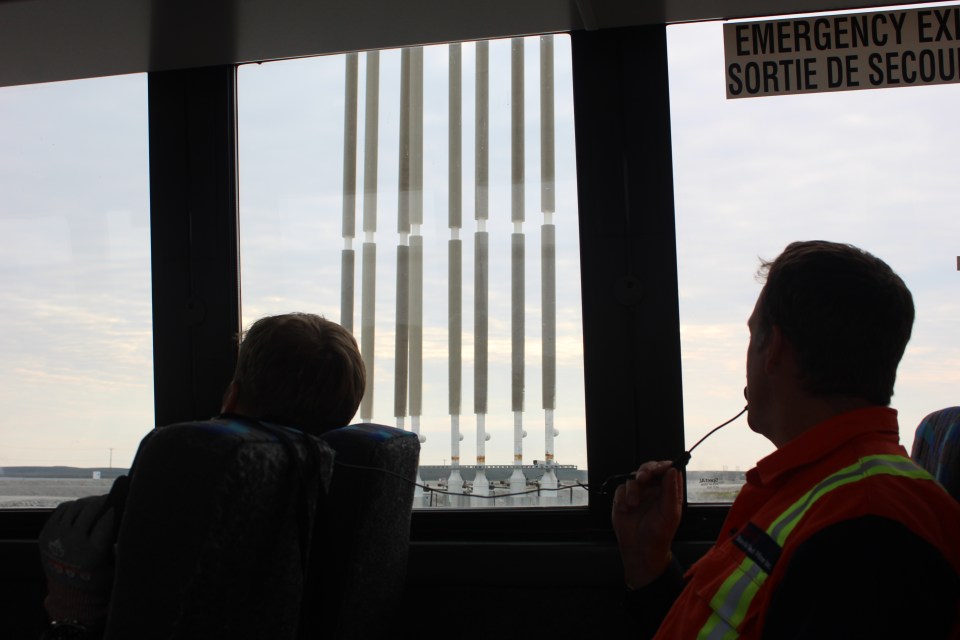
Refilling the pits needs to be a “controlled process” to manage effects on Lac de Gras, Stephenson said, referring to the lake from which Diavik’s pits were formed. A screen will stop fish entering the pipes.
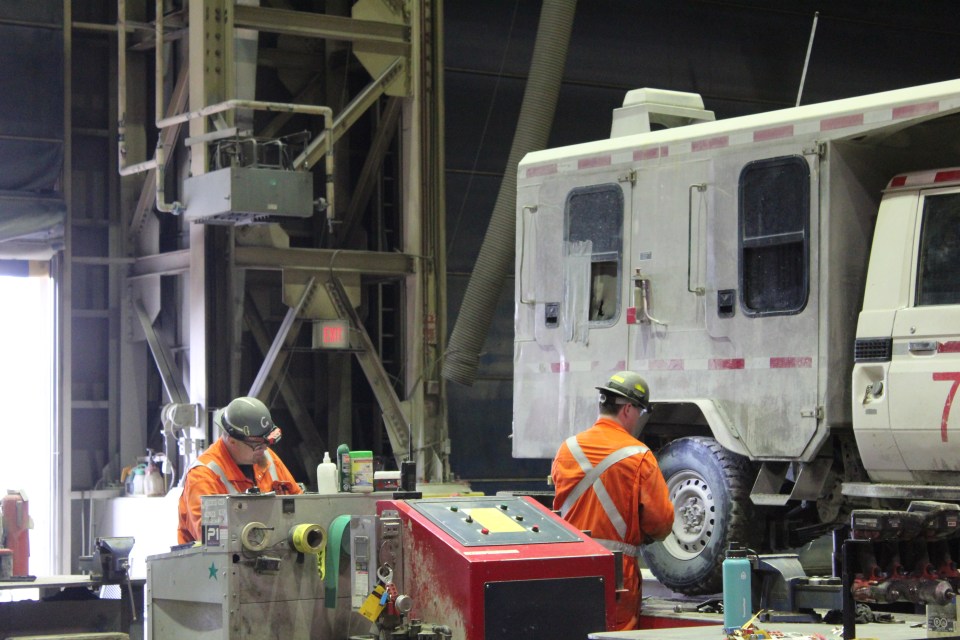
Diavik plans to either reuse or recycle materials that cannot be left behind. A “major hurdle” is the logistics required to get things off the site during the winter road season, which has been shorter as the climate shifts.
“We started in earnest this year, but we’re continuing to work towards that,” Stephenson said.
“If there was a use, we would much rather see it go to use in really any mine. It doesn’t have to be Rio Tinto, it doesn’t have to be a mine, but we want to see the stuff that still has a value of use, go to further use rather than end up in the landfill.”
Advertisement.
Advertisement.
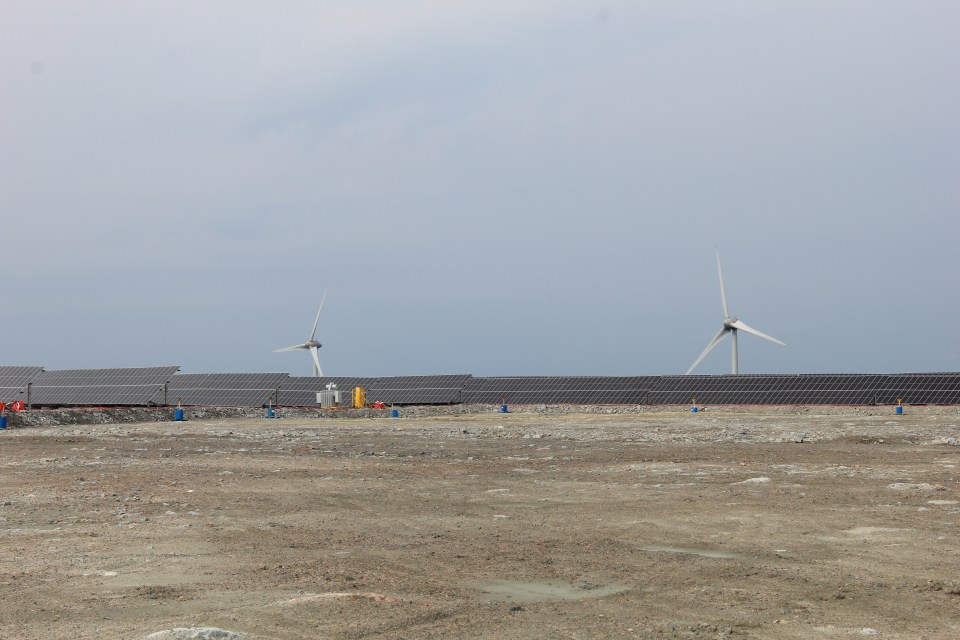
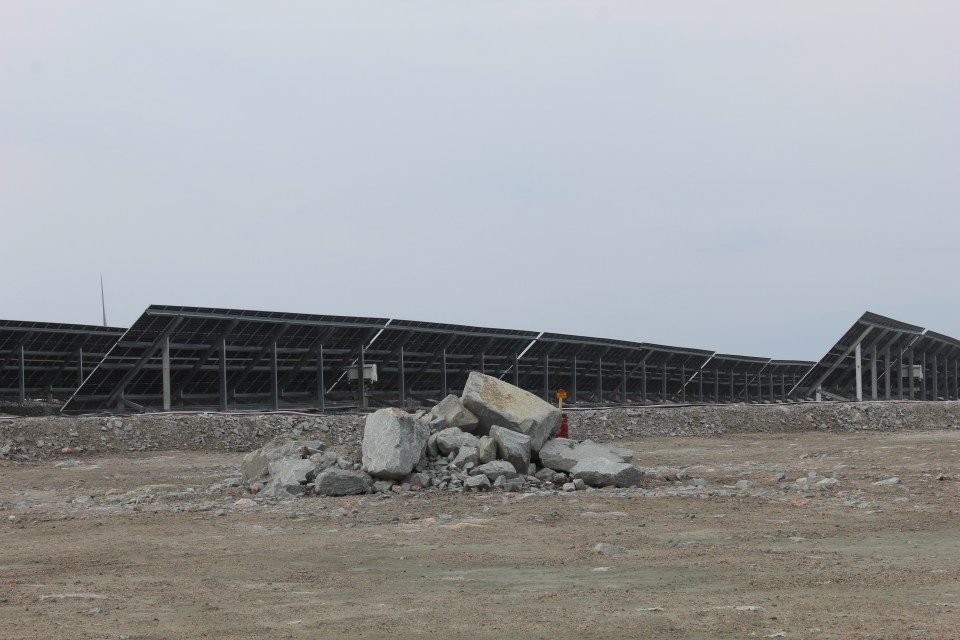
Take the recently completed 6,620 solar panels that form a power plant to help keep the mine running through closure. Once closure is complete, those solar panels will no longer be needed at the site.
Stephenson said he expects staff to be able to easily take apart the array, considering it took only three months to assemble.
“We do think there’s a business case that we can work with some of our traditional participation agreement groups or governments in the North to get this into a community,” Stephenson said of the panels.
Diavik also has wind turbines that are close to reaching the end of their 20-year projected life spans. Those, staff said, will be disposed of on site.
“It’s a pretty significant investment” to move the wind turbines or build foundations for them elsewhere, said Stephenson.
Asked about the total cost of closing Diavik, a spokesperson said the integrated nature of progressive closure made it difficult to provide an overall figure.
“We produced a lot of diamonds, and we know that once commercial operation is complete, there will be a cost to close the place,” Stephenson said.
“Over the lifespan, Diavik made money and built a viable business. But obviously, when we’re not producing diamonds any more, it’s going to cost some money.”
Correction: August 28, 2024 – 8:02 MT. Owing to an editing error, this article initially stated mining will continue at A21 for six to eight months. It’s actually the flooding of the pit once mining is finished that will take six to eight months. The mining itself will continue into 2026.
