


The City of Yellowknife is preparing to study the Kam Lake light industrial district to understand the local “business environment, with consideration for agricultural potential.”
The city is seeking consultants to draw up what it calls a market study that would help to identify “opportunities for business retention, expansion and attraction.”
Yellowknife’s community plan, last given a major overhaul in 2020, lists Kam Lake as an area that can accommodate future industrial growth.
At the moment, industry in the area spans everything from greenhouses to vehicle repair yards and dog kennels to environmental remediation companies.
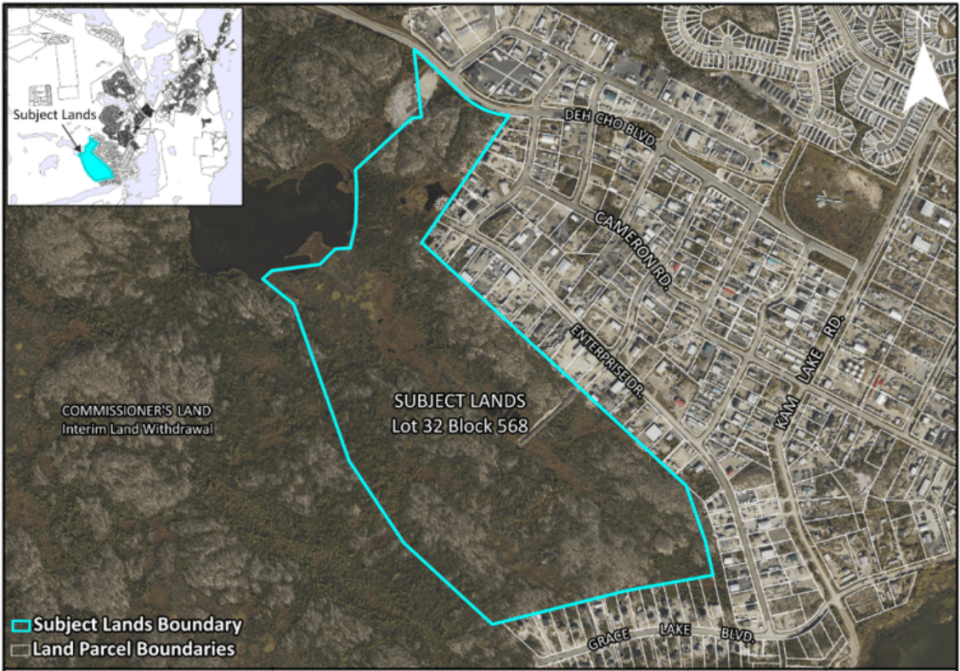
The city is particularly interested in what to do with an undeveloped 68-hectare parcel of Kam Lake.
Advertisement.
Advertisement.
A 10-year agriculture strategy adopted by the city in 2019 encouraged the municipality to do a better job of defining the kinds of urban agriculture Yellowknife can and should support, and where to support them.
The market study will also look at light industrial and commercial potential.
A request for proposals issued by the city shows it hopes to pay a consultant up to $40,000 to prepare the market study, which it would like to receive by the end of the calendar year.
The market study is part of a broader process that will create a document called an area development plan, which will govern how Kam Lake is developed. Residents were already asked for their feedback earlier in the summer.
An area development plan would provide more detail about the development of specific areas and provide policies on subdivisions, land uses, density, essential services and facilities, road layouts, and the phasing of development.
