Advertisement.
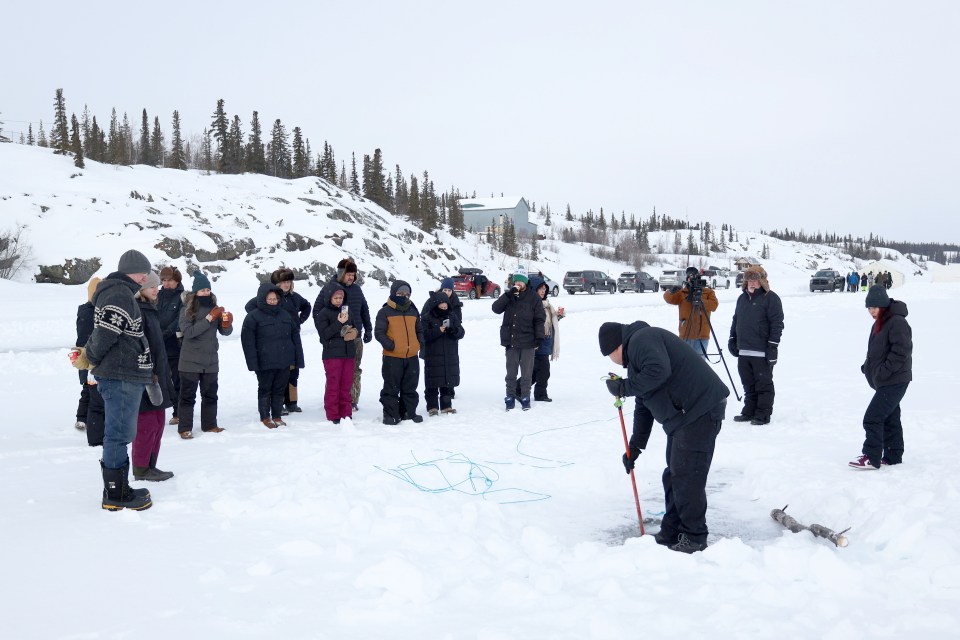
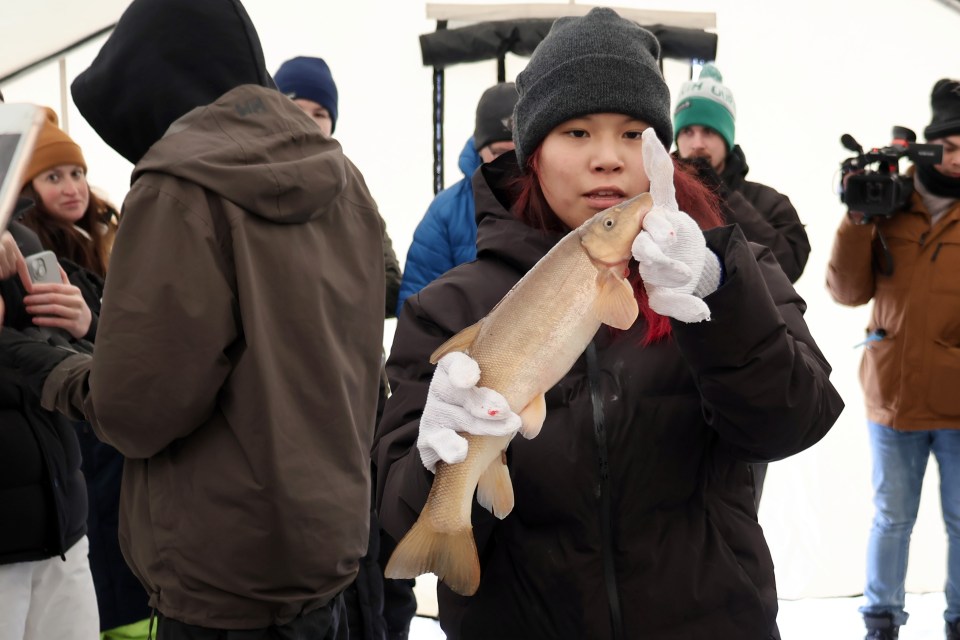
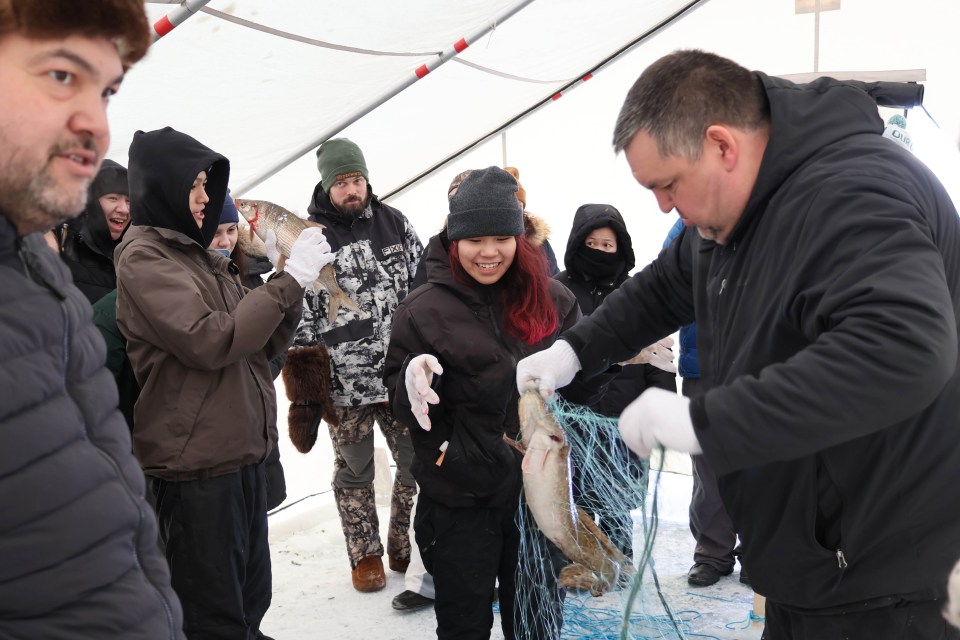
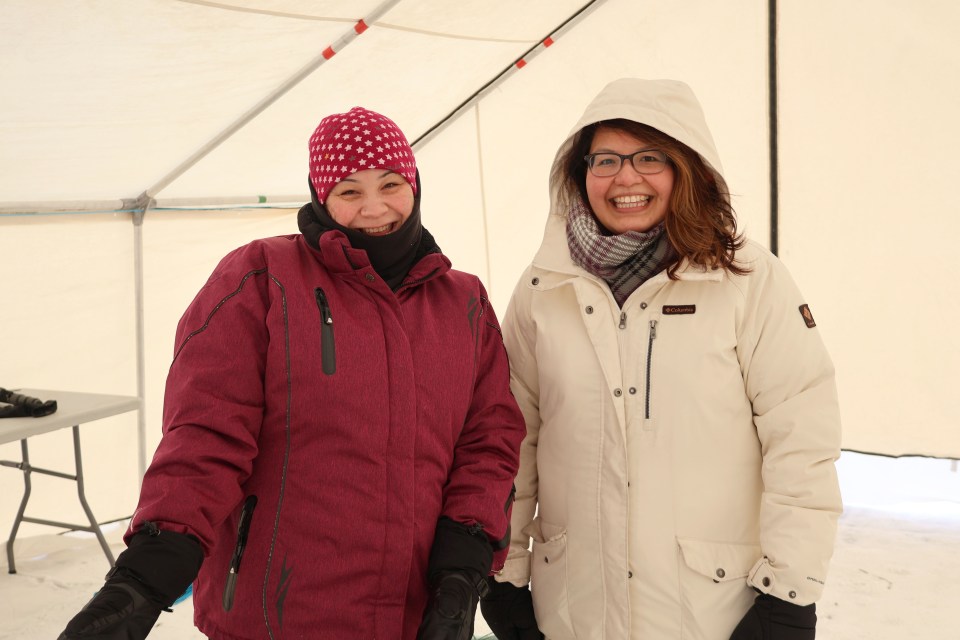
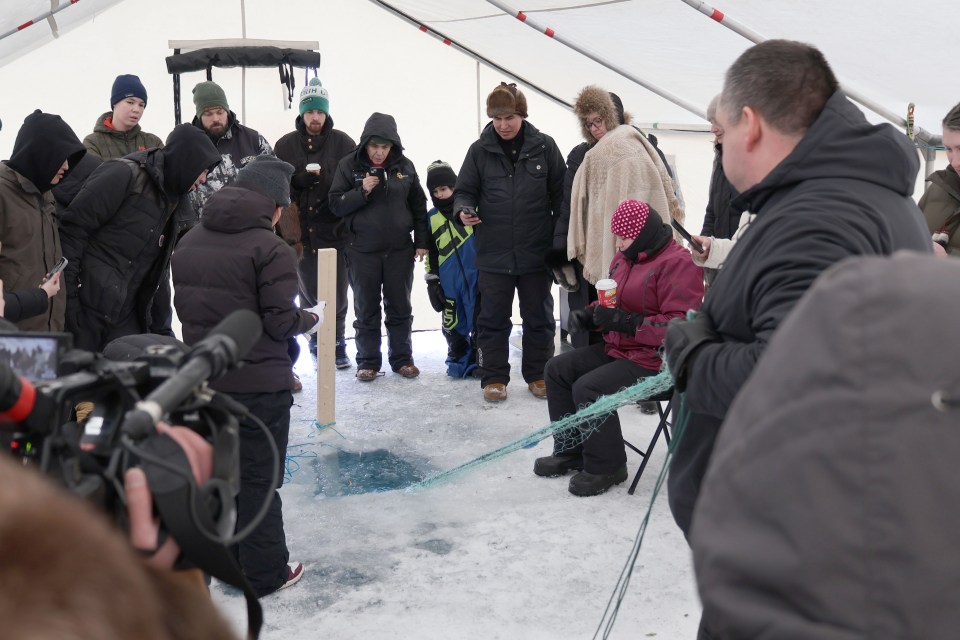
“I would encourage everybody to do this,” said Justina Beaverho after watching a crowd of eager learners pull an ice fishing net out of Great Slave Lake in Yellowknife.
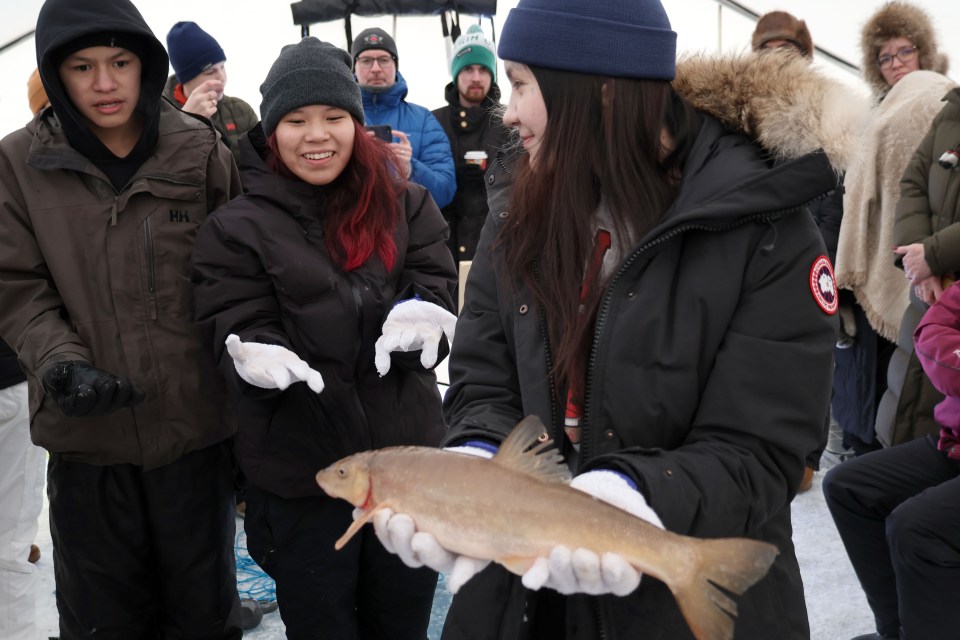
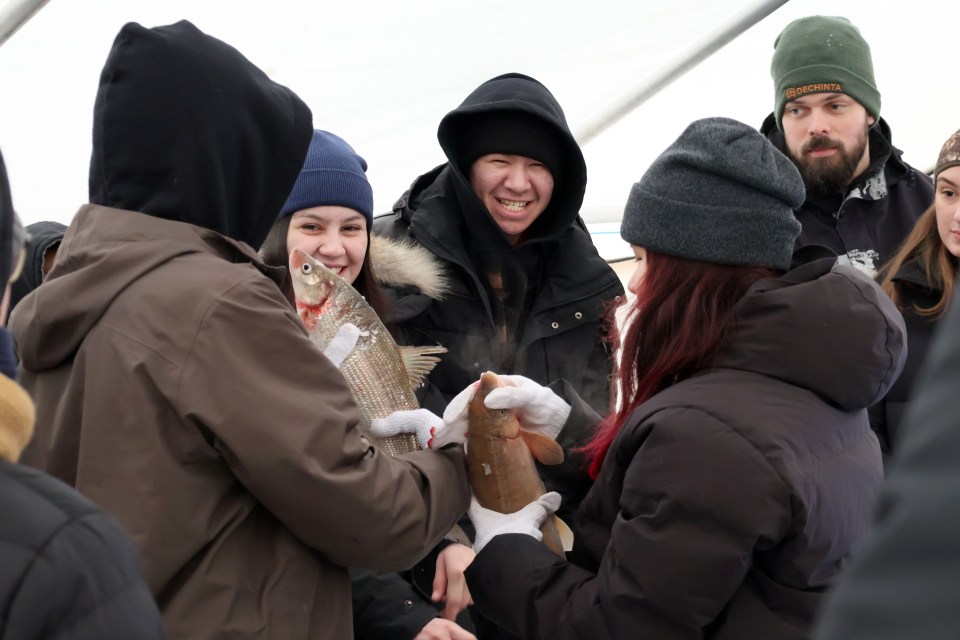
Seven fish of almost as many species were carefully hauled in by community members looking to learn new land-based skills.
The experience was part of the Native Women’s Association of the NWT’s Fishing for Wellness program, led by Nathan Kogiak and Clayton Bell.
Beaverho and Marla Loyer found out about the program on Facebook and thought it would be a good opportunity to learn about the land, something to which they haven’t previously had much access.
Advertisement.
Advertisement.
“I’ve never seen an on-the-land experience before, other than outside of Yellowknife, of course,” said Beaverho.
Beaverho and Loyer attended the previous day’s workshop as well, in which Kogiak taught attendees to skin a wolf and Bell demonstrated the process for setting the ice fishing net.
“I’ve learned quite a bit,” said Loyer.
Loyer and Beaverho agreed that the two instructors piqued their interest in being on the land, and made it seem like something they could – and would – want to do on their own.
Advertisement.
Advertisement.
“They’re good teachers,” said Loyer.
“I wish I had them in high school,” Beaverho added.
Facilitator Clayton Bell said he was happy to get on board when he found out about the program a month ago.
“To teach these skills to especially our younger youth is pretty cool,” said Bell.
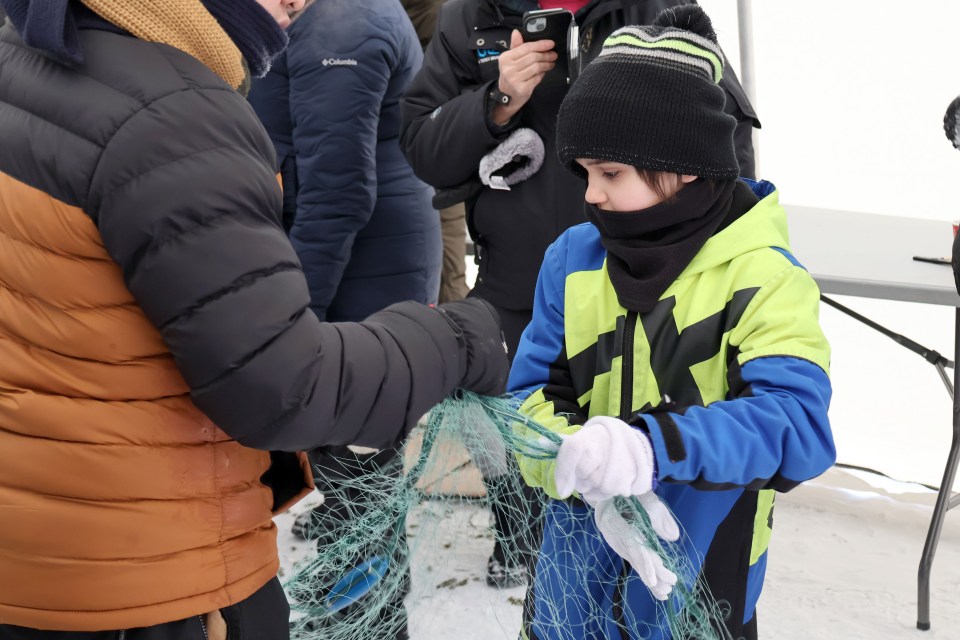
“Seeing them come out and get their hands dirty, and touching the fish and helping pull the net and stuff, that was pretty cool to see.”
Clayton said he was lucky to have his father – who is Cree from Saskatchewan – start teaching him about fishing and being on the land when he was around 12 years old.
He said one of his responsibilities while fishing as a kid was to listen for the sound of the floats attached to the net knocking against the underside of the ice.
“That’s pretty cool, to be able to have those skills from a young age,” said Bell.
Advertisement.
Advertisement.
He said he continues to fish for sustenance for his family, usually setting a net in the fall and using the catch to fill up his freezer.
That said, he’s interested in doing more fishing at this time of year because, he said, fish doesn’t typically last for more than a couple months in the freezer.
“If you want nice, fresh fish, mid-winter is a good time to replenish the freezers,” said Bell.
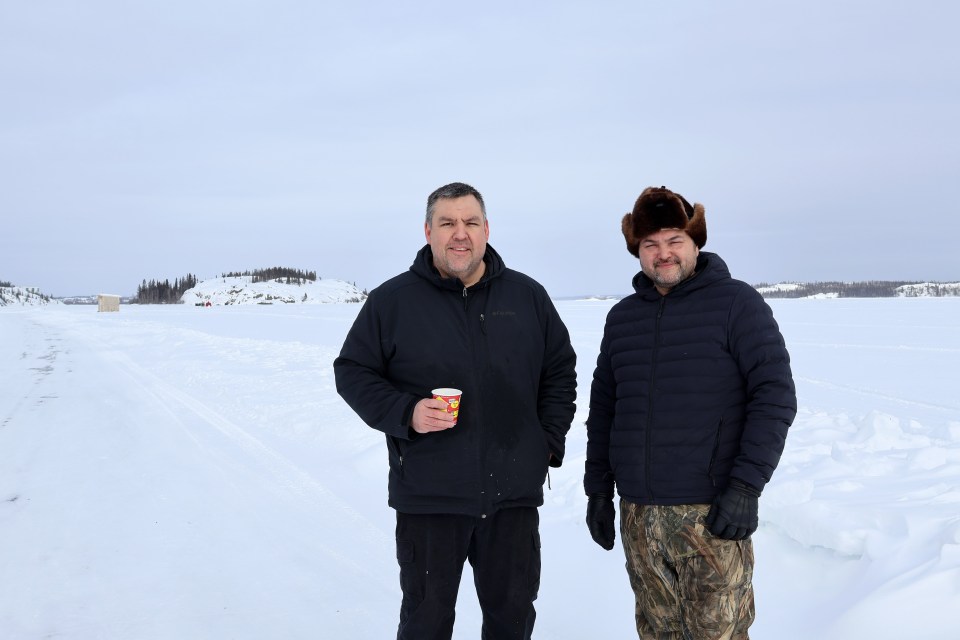

One of the reasons Bell was interested in leading parts of the program was to teach people about sustainability and affordability.
“You talk about the cost of food nowadays. Typically, if I caught, say, 100 lb on a really good catch… it’s about $1,000 to $1,500 worth of fish, if you were to buy that in the grocery store,” said Bell.
“It’s great to be out on the land to do stuff like this and teach our youth,” said Bell. “And I even see some older people interested in learning this, too.”