




Beaufort Delta artists, educators, and students say they are benefiting from Connected North programming in the region.
Connected North, a program under the umbrella of the charity TakingITGlobal, virtually connects subject-matter experts and classrooms across northern and isolated Indigenous communities.
Currently, 27 schools across the South Slave, Dehcho and Beaufort Delta take part in the program.
Within the Beaufort Delta Divisional Education Council (BDDEC), the program started in Inuvik and spread to all schools in the region over the past year.
BDDEC superintendent Devin Roberts said Connected North provided his nine schools with 102 sessions in 2024. Connected North content providers deliver sessions on the screen while the classroom teacher is in the room to help out on the ground
Advertisement.
Advertisement.
Of regional teachers surveyed, 82 percent “strongly agreed that Connected North helps to engage students, contributing to their in-class motivation for learning.”
Virtual learning becomes hands-on
Nearly half of the sessions offered included a hands-on experience in the classroom, Roberts said.
Bambi Amos, an artist and sewing instructor from Inuvik, became a content provider for Connected North after the program contacted her.
Amos puts together sewing kits so students can make their own ukpik stuffies – little owl toys.
Advertisement.
Advertisement.
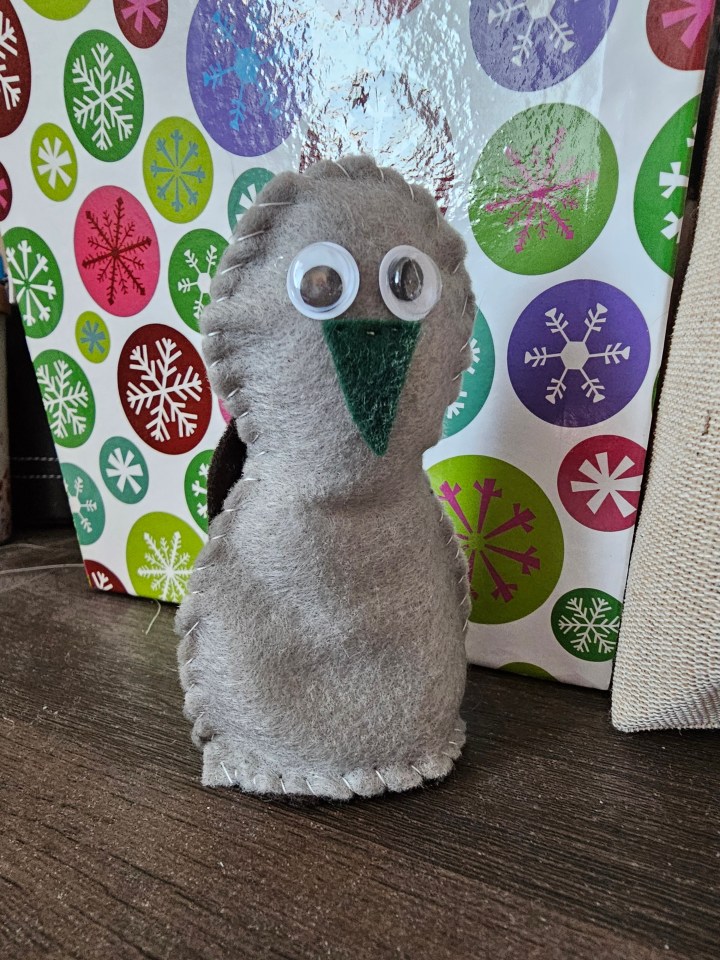
The kits are sent to schools that request her programming through a Connected North school lead, who helps to schedule programming and ship classroom materials.
So far, Amos has delivered programming in Inuvik, Ulukhaktok and Gjoa Haven, Nunavut. While there has been interest from other classrooms, she had to decline some opportunities as she didn’t have enough kits ready for all of the students.
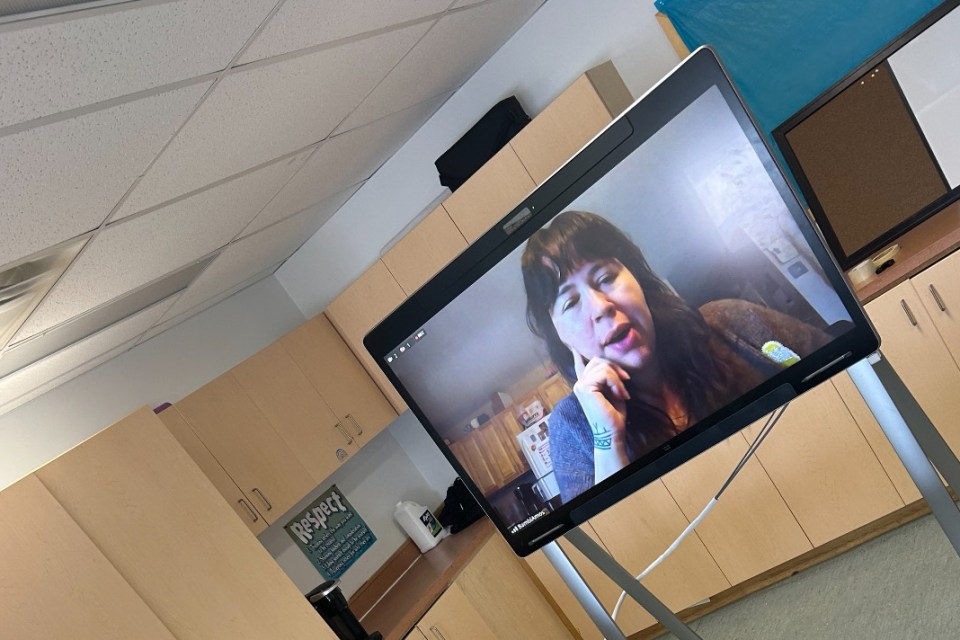
“I’m really grateful for this opportunity to be able to connect everyone together, like all of Canada and the especially the rural communities,” she said.
Karen Wright-Fraser, another artist from Inuvik, has taught sessions about beaded earrings, beaded moosehide and caribou antler keychains. As she teaches, she also incorporates storytelling.
“I tell them that our ancestors needed skills like hunting, preparing skins and sewing for the survival of their people,” Wright-Fraser wrote to Cabin Radio.
She tells students that while learning new skills might be frustrating in the beginning, they shouldn’t give up.
“After you get the hang of the techniques, then it’s actually very relaxing and good for your well-being,” she said.
“It is rewarding to see them grasp the concept and be proud of what they are producing.”
Advertisement.
Advertisement.
Students ‘see themselves in the presenters’
Ephraim Warren, the principal of Mangilaluk School in Tuktoyaktuk, said his teachers sign up for Connected North sessions on a weekly basis, picking topics that relate to their classes and curriculums.
Connected North’s school leads can also suggest sessions if schools give them the curricular outcomes and competencies for their courses.
“I love the fact that they’re culturally relevant,” Warren said, noting instructors from around the Beaufort Delta have led virtual sessions at the school.
Some of the courses are one-off lessons. Others are part of a series.
“I’m thankful that we’re able to connect with people from all over the region and all over the world,” Warren said, noting they have had no issues with internet connectivity. “It brings another aspect to our school and our students and our teachers love it.”
At Angik School in Paulatuk, principal Kyle Sagert said his students have participated in interactive sessions featuring concerts, museums, walks and career features, alongside local content.
For teachers, there have been professional development sessions on things like using Indigenous books in creative writing classes.
“I also teach junior kindergarten and kindergarten, and we did one with the Royal Tyrrell Museum,” he said, referring to an Alberta museum dedicated to palaeontology.
Advertisement.
Advertisement.
“We even had one student that’s actually been there, so she thought it was really cool. We’re talking about dinosaurs and fossils and things like that, so we’re able to make connections, and it’s just another avenue of learning where they’re using technology.”
Principal Janine Johnson, who works at Moose Kerr School in Aklavik, said the program has been great because “kids get to see themselves in the presenters.”
“It’s been really exciting to see the growth not just in the participation of schools, but also with Inuvialuit and Gwichʼin content providers within the region,” said Jennifer Corriero, the executive director of TakingITGlobal.
Looking ahead, her goal is for students to share and celebrate their learning experiences with each other online – not just with one content provider.
