


Where Yonge Street meets Dundas in downtown Toronto, hundreds of students, shoppers, tourists and office workers speed through the intersection, many unaware of tiny worlds beneath their feet.
Under one of Canada’s busiest intersections sit miniature replicas of cities, towns and hamlets from across the country, each one celebrating the history – and the whimsy – the nation has to offer.
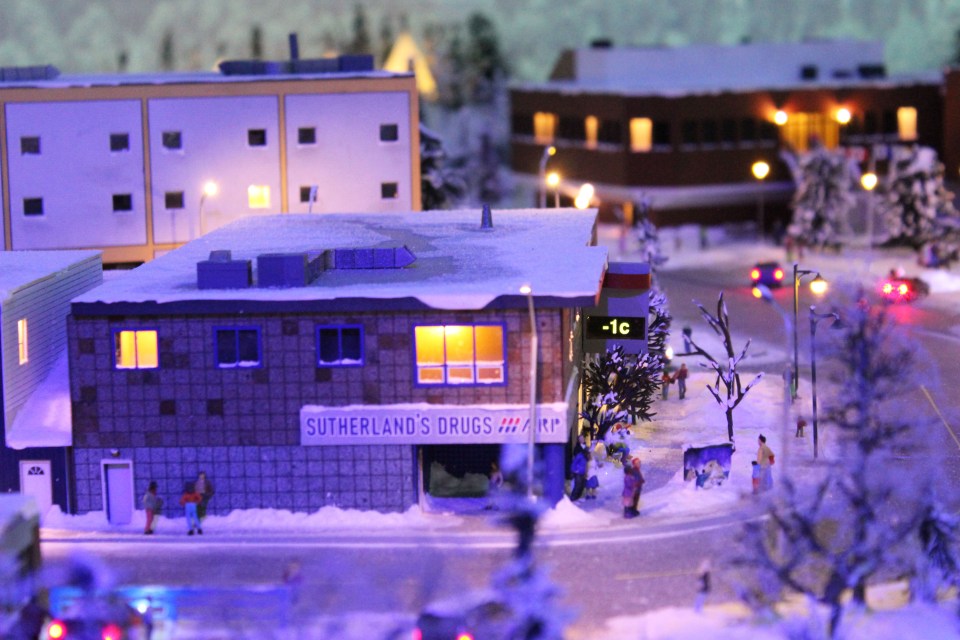
Earlier this month, the attraction known as Little Canada opened its newest exhibit, Little North, which showcases scenes from Yellowknife, Tuktoyaktuk and various communities in Nunavut and Yukon.
The exhibit is temperature-controlled at 17C – slightly cooler than the rest of Little Canada – so visitors can not only see and hear the North, they can feel it too. It includes a tiny Snowcastle complete with sculptors chipping away at their ice, a version of Yellowknife’s Gold Range Hotel, the Gallery of the Midnight Sun, Bullocks Bistro and more.
Advertisement.
Advertisement.
There’s even a houseboat community with a Dettah ice road surrounding it, on which tiny vehicles pass by.
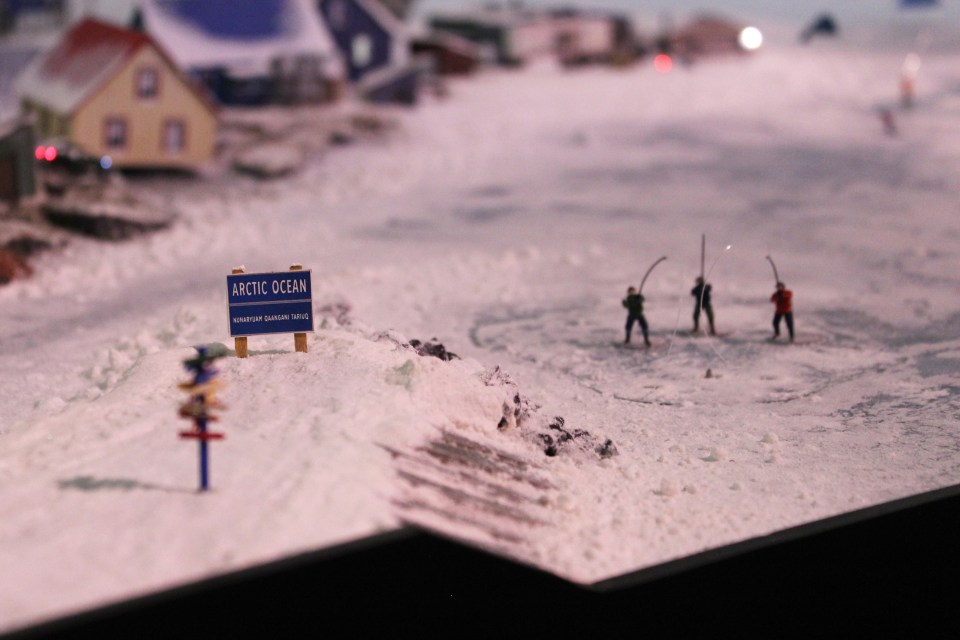
On the Tuktoyaktuk side, there’s a tiny Northern store, smokehouses, people participating in a blanket toss, wind skiers catching a breeze and ice fishers feeling a tug on their lines.
The room cycles every 10 or so minutes from daylight to nighttime lighting, which triggers a projection of the aurora borealis on screens behind the models.
The Little North project took 35 artisans – including an architect – 18 months to build, said founder Jean-Louis Brenninkmeijer.
Advertisement.
Advertisement.
Growing up, he spent time working on model trains, planes, boats and ships, he said. Every summer, his father would take him to Madurodam, a miniature park in the Netherlands.
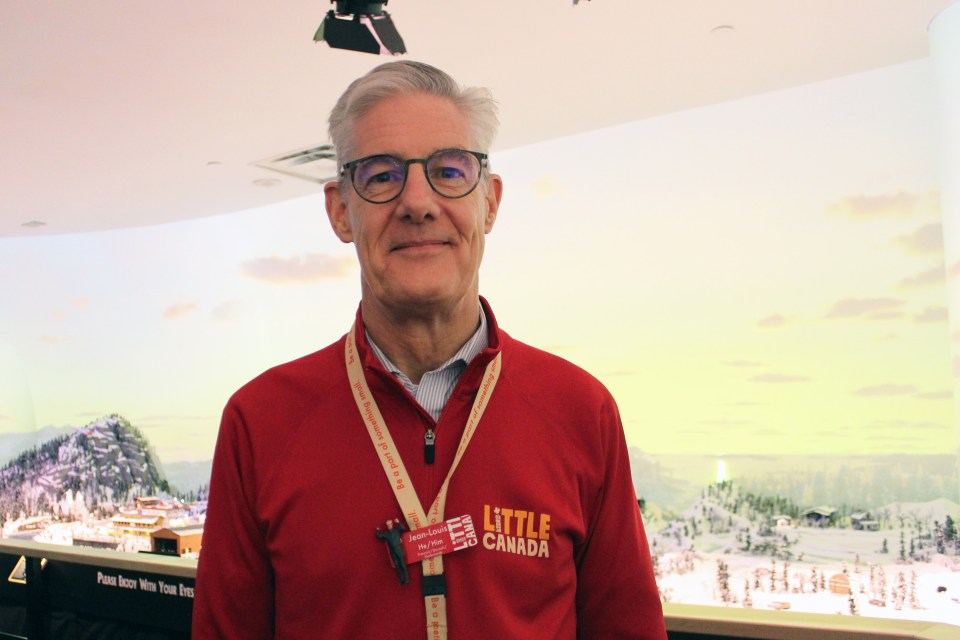
After moving to Canada in 1999, Brenninkmeijer was inspired by his sons’ Grade 4 school projects about the provinces and territories.
“My wife and I got involved in those projects, maybe more than what the teachers would have liked us to have done,” said Brenninkmeijer.
“There’s so much to share about the country, and there’s so much to celebrate. And I recognized early on that the majority of us will never have the opportunity or the means to go and see it all for ourselves.”
In 2011, he decided model-making would be his next career and began work on the project that would become Little Canada.
“This gives an opportunity to share the diversity, the culture, the history of the second-largest country in the world, as it were, in an afternoon,” Brenninkmeijer said.
Little North is the eighth of 12 exhibits to be built in Little Canada, with sections like Little Prairies still under construction.
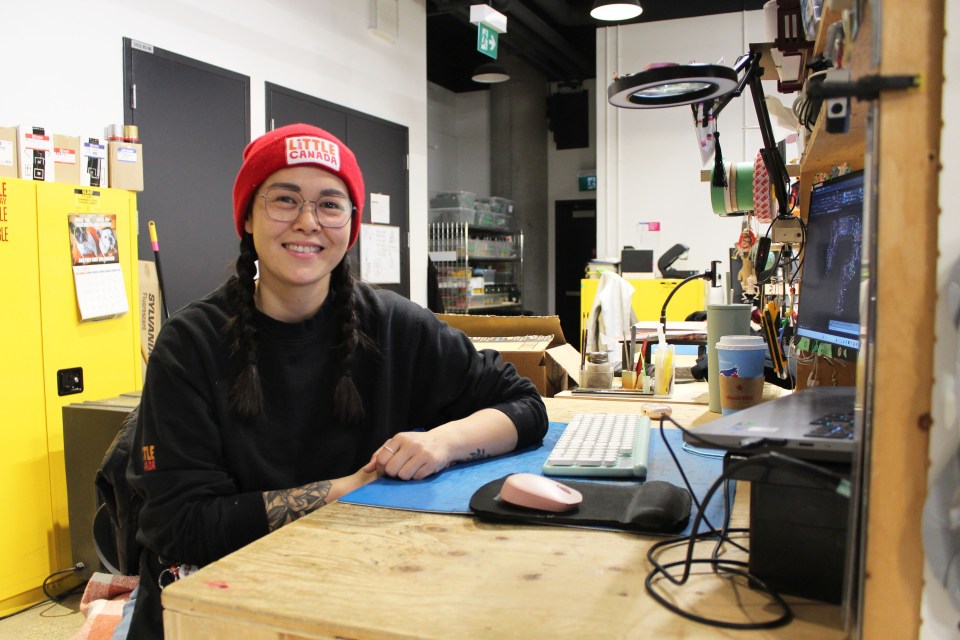
Senior design specialist Aliyah Tom said months of research go into every exhibit and difficult decisions are made about what should be represented.
Advertisement.
Advertisement.
“Yellowknife was a hard one, because there was a lot of information and places and things we wanted to fit in. But with such a constrained area, we really just had to pick what the big ones were,” said Tom.
When work began on Little North in 2021, Brenninkmeijer said his team came to him and said there wasn’t enough Indigenous involvement in the creation of the model.
They decided to delay the opening of the exhibit and hired an Indigenous consulting group based in Edmonton to assist with the research required to completed the project.
This work, Brenninkmeijer said, helped the team figure out what stories should be told through the exhibit.
In the Tuktoyaktuk model, they decided to include things like thawing permafrost and coastal erosion, which has forced residents to move homes farther from a shoreline that is rapidly falling into the Arctic Ocean.
“This is a story that you don’t really find on the internet. It’s not a story that you would learn at school,” said Brenninkmeijer.
“But this is one of those stories that we tell here in the exhibit.”
