


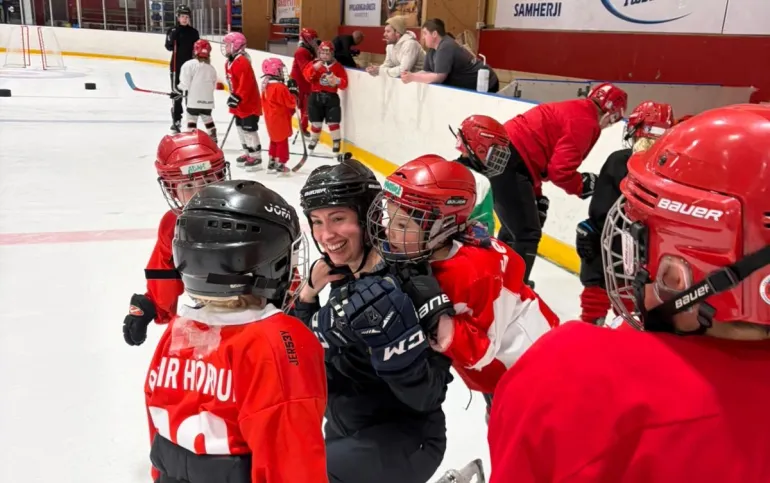
Yellowknife’s Shakita Jensen has returned home after taking part in a new program that sends Indigenous hockey coaches abroad.
Jensen and four other female Canadian coaches travelled last month to Akureyri, in northern Iceland, as part of the Hockey Without Borders program – an opportunity she had been working toward since first applying in 2022.
During the week-long trip, Jensen worked with a few hundred children ranging in age from six to 16. While the goal was to share Canadian coaching expertise, Jensen said she was surprised by the high level of hockey already present in the country.
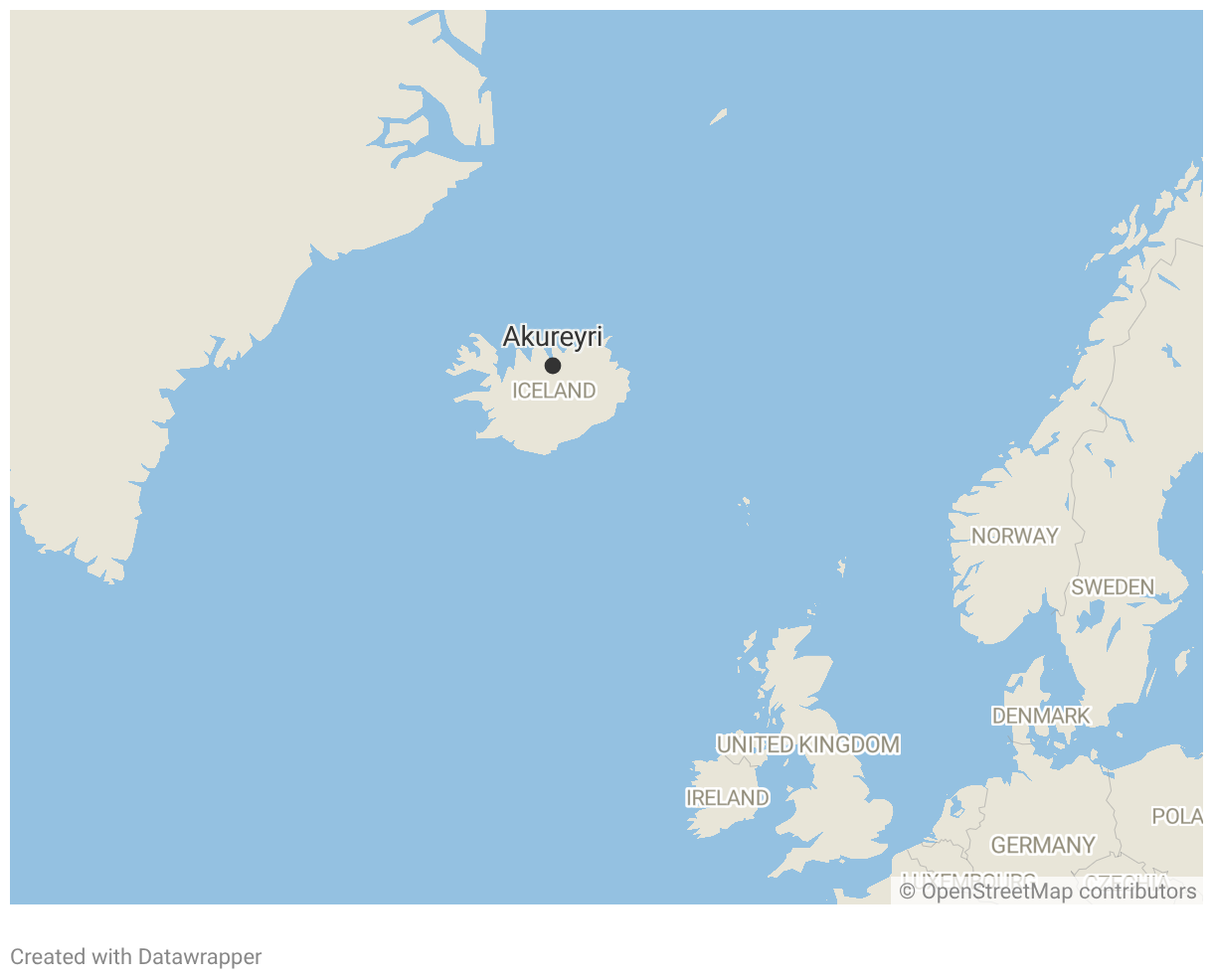
“I was really shocked at the level of hockey there,” Jensen said, noting that the club and programming she saw in Akureyri were “amazing” and the players were talented.
In Iceland, she said, hockey is ranked as approximately the 14th most popular sport, trailing activities like handball.
Advertisement.
Advertisement.
Jensen observed that the community’s single Olympic-sized ice surface is in high demand, with locals expressing a need for more facilities to keep up with growing interest.
The program focused on a cultural exchange of coaching styles, with Jensen teaching Canadian drills while learning local games from the Icelandic students. She also highlighted the value of collaborating with her fellow Canadian coaches, sharing their personal stories and seasons.
Beyond the rink, Jensen and the other coaches were able to sightsee, visiting waterfalls and landscapes in a rental car. She praised the community of Akureyri for welcoming the coaches with “open arms,” providing housing, food, and transportation throughout their stay.
For Jensen, the experience was a refreshing reminder of why she volunteers in the sport. She played a scrimmage hockey game with the women’s hockey team, borrowing gear to wear – the first time she had ever used someone else’s equipment.
Advertisement.
Advertisement.
“This was just a really nice trip to remind myself of why I volunteer in hockey and why I love to do it,” she said, “making those connections with the players, meeting new people, and getting opportunities like this.”
Since the organization came together, Fred Perowne, co-founder of Hockey Without Borders, said coaches have visited 18 countries.
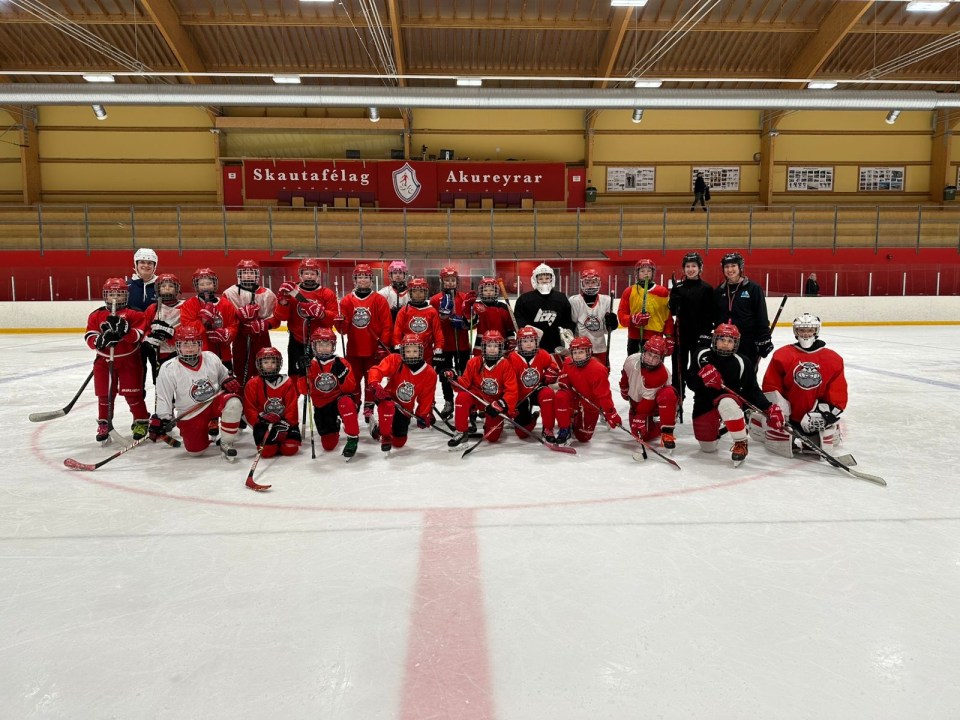
Recent international placements are part of a pilot project aimed at creating more opportunities for Indigenous hockey coaches to gain experience abroad while sharing their own skills and perspectives with communities in other countries.
Perowne said the initiative is in its early stages, but organizers are already encouraged by how the first group of participants adapted to the experience.
“So far, so good,” he said, adding the organization plans to review the program after the coaches return home. “This is the first year, so we want to learn from their experiences and see how we can continue building it.”
Perowne said success in the pilot program is not solely measured by athletic outcomes, but the goal is for both the coaches and host communities to come away with meaningful experiences.
He hopes Indigenous participation can become a larger part of those international coaching opportunities, adding that securing broader sponsorship will be an important next step.
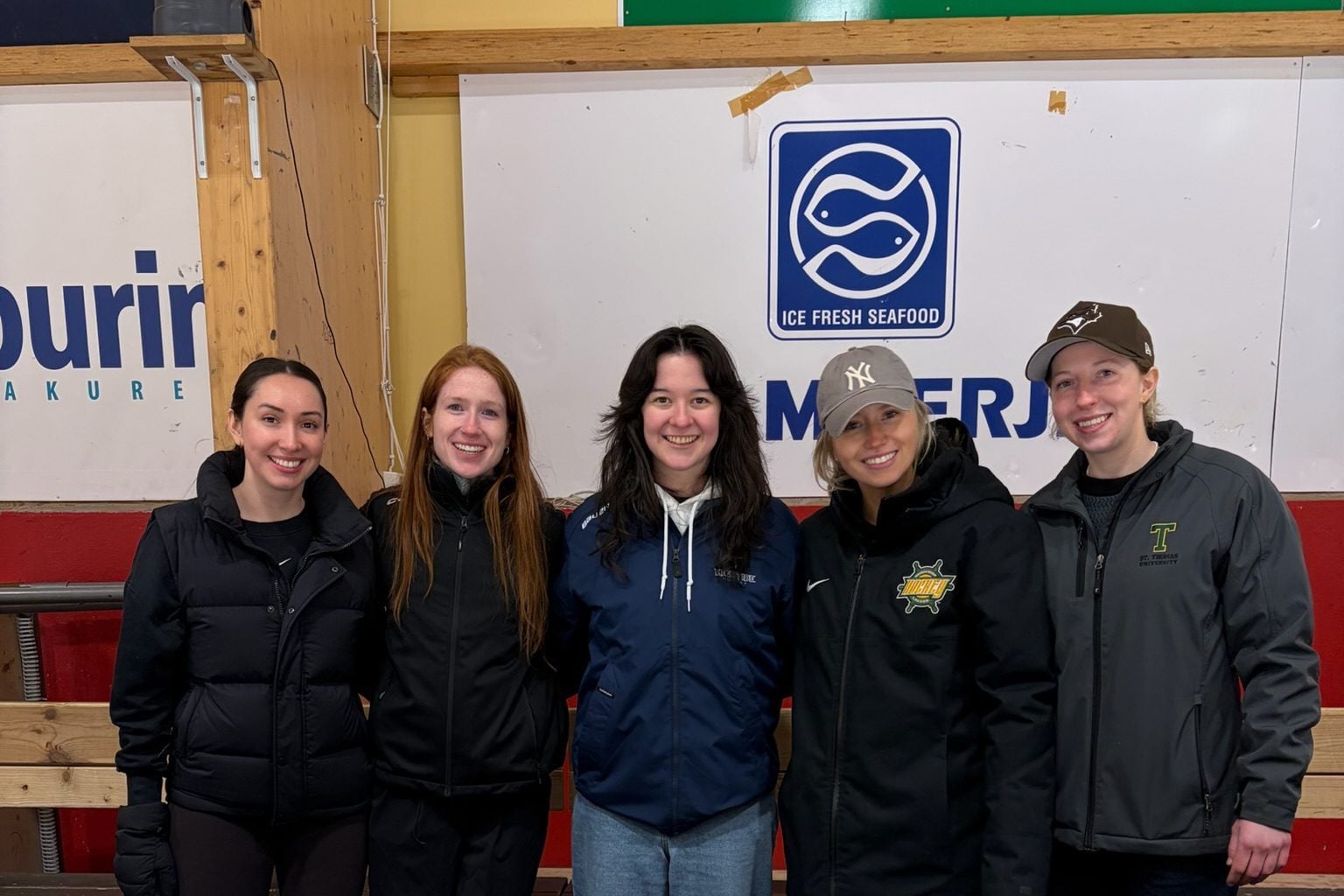
Sarah Smiley, who hosted Jensen and the other coaches in Iceland, said the visit was especially exciting as it marked the first time they had hosted five female coaches.
Advertisement.
Advertisement.
“Forty percent of our members are female, so it was a really nice opportunity for them to have even more [female] role models coming to Iceland. That was really positive,” she said.
Smiley said her own hockey journey began in Toronto before playing at the University of Windsor and later with the Montreal Axion in the NWHL. She eventually moved to Iceland on a professional contract, where she quickly transitioned into coaching – a path that became her career.
Having lived in Iceland for 20 years, she said the women’s game has grown significantly.
“Twenty years ago, the level of the female hockey was quite low, so I was able to have a strong impact on the game from the beginning,” she explained.
“There’s only three clubs here, so the competition is very small but women’s hockey has progressed to such a level that our top players are able to go abroad and compete in the highest levels in Sweden. Some have gone to high schools in the States and been able to compete at the highest levels.”
Smiley believes having more female coaches, including Indigenous coaches, playing or working abroad in hockey has a positive effect. She said visibility and diversity are important for growing the sport worldwide, as it helps young people see themselves represented.
She pointed to watching the coaches on this trip interact with the kids “and how quickly the kids warmed up to them” after just one practice.
“They were already giving them hugs and high-fives and lots of smiling, despite there being a bit of a language barrier,” she said.
Advertisement.
Advertisement.
“Although some of the children really do speak quite well in English, they were just excited to get attention from five new coaches who were really happy to be with them.”
Smiley wants children new to hockey to enjoy the day-to-day at the rink.
“The most important thing is to not necessarily set huge goals for yourself,” she said.
“I mean, it’s good to have goals, but I think enjoying the journey is the biggest, most important part of being in hockey.”
