
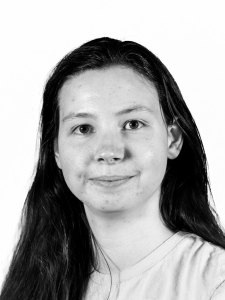

A former NWT resident and his team at the University of Alberta have developed a drug that could prevent chemotherapy from destroying heart cells and causing heart failure.
Gopinath Sutendra is an associate professor and co-associate chair of research for the university’s Department of Medicine.
He told Cabin Radio that current cancer therapies can cause heart damage, requiring patients to stop cancer treatment in order to treat heart failure.
“From the research standpoint, we didn’t have any drugs or any therapies to predict which cancer patients are going to be more prone to developing heart failure because of their cancer treatment or any therapies to … prevent the bad effects of cancer therapies on the heart,” he said.
“That’s where my research comes into play.”
Advertisement.
Advertisement.
According to Sutendra, researchers found that treating mice with lung cancer with a new drug called ZIM, in addition to a common cancer drug, prevented adverse effects of chemotherapy on the heart as well as tumour growth and spread.
“It’s, to our mind, the first specific cardio-oncology drug that has benefit for the heart and can regress the tumour,” Sutendra told Cabin Radio, adding that the research involved a team of medical chemists, clinicians and scientists.
Sutendra and his team detailed findings from their research in an article published in the medical journal Science Translational Medicine last month.
Now that Sutendra said ZIM has been proven to be successful in mice, the next step is to test it on larger animals before applying for clinical trials.
Advertisement.
Advertisement.
Sutendra said further avenues of research that findings from his team’s work on a cardio-oncology drug can support include research on therapies that could regenerate heart cells and a treatment for Alzheimer’s disease.
He said this reflects how much more doctors and scientists are collaborating across disciplines than in the past.
“We actually work together in different fields and try and approach medicine in a holistic way, not just in your specific areas of expertise,” said Sutendra.
Northern students have ‘opportunities to do great things’
Sutendra is a translational medicine researcher. Translational medicine involves developing findings from research in the lab into treatments for patients, or “from the bench to bedside” science, as Sutendra described it.
He said he teaches a master’s program with a specialization in translational medicine at the University of Alberta. He said the program was the first of its kind and has been adopted by other universities in Canada.
Sutendra said the program was started to encourage new medical residents to explore the field of translational medicine, without having to do all the training required to become a clinician scientist.
Sutendra went to school in Inuvik and Yellowknife, and said he continues to have strong connections to the North even though he now lives in Alberta. He said his parents and his brother continue to live in Yellowknife, and Sutendra visited the city in February for his dad’s 80th birthday.
Sutendra said growing up in the North helped him develop unique problem solving skills and made him a valuable member of research his team because of his different perspective.
Advertisement.
Advertisement.
“The background of living in a small community, growing up in that environment really frames your mind and defines who you eventually become,” Sutendra said.
Sutendra said he wants students currently attending school in the North to know “they have opportunities to do great things.”
“Do the things that you know you really want to do in life,” he said. “You have just as much opportunity as people in the southern parts of Canada or the states or anywhere.”
With files from Miriam Bosiljevac
