


The NWT government is sharing a new video for staff – and organizations that serve seniors – on how to recognize and respond to Elder abuse.
“The training provides practical guidance to help participants identify warning signs, understand common risk factors, and respond in safe, trauma‑aware, and person‑centred ways,” said the GNWT in a news release announcing the training.
The Recognize and Respond to Elder Abuse course is available on the Department of Health and Social Services’ YouTube channel and is just under 25 minutes long. Other resources are available on the health department’s website.
The GNWT said making the training public is part of its effort to increase access to government-led training by non-governmental ogranizations.
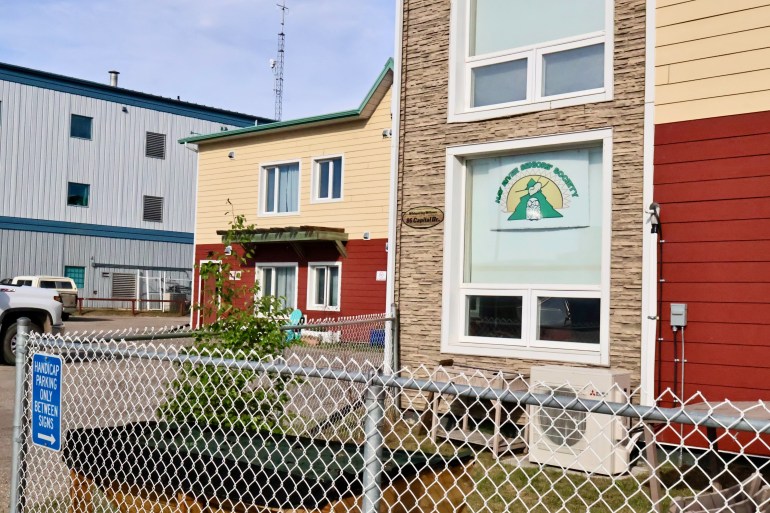
Karen Willy, executive director of the NWT Seniors’ Society, said the society was not consulted in the development of the GNWT training but has been providing annual Elder abuse prevention training for the past three years.
Advertisement.
Advertisement.
Willy said the society’s training teaches community governments, Indigenous governments and NGOs how to offer “culturally safe and appropriate Elder abuse prevention in their communities.”
“We have two different goals,” said Willy of the difference between the GNWT’s new training and the NWT Seniors’ Society’s training. She said the GNWT’s course is meant for government employees working with Elders who may know nothing about Elder abuse.
“Both have value and for very different reasons.”
Willy said she hasn’t taken the GNWT training yet, but plans to.
Advertisement.
Advertisement.
‘Training people on the ground’
The benefit of the NWT Seniors’ Society’s training, Willy said, is that newly trained facilitators take the lessons and adapt them to form programming that best suits individual communities.
“I think it’s important that the community has the ability to deliver [programming] in their own way, in a way that works for their people,” said Willy.
While Willy said the society’s training, which is three days long and in person, is offered only in Yellowknife, the travel, accommodations and per diems of participants are covered by the society. The training is also funded by the Department of Health and Social Services.
Willy said the NWT Seniors’ Society has administed the training – based on a book, About Elder Abuse: The Words of Our Elders, and the It’s Not Right program – to more than 60 people.
She said people who have taken the training have offered beading, cooking, on the land workshops, and presentations as ways to teach people about Elder abuse in their communities.
“We are training people who are on the ground working with Elders in their community organizations,” said Willy.
“Every community is different and different approaches to Elder abuse prevention work in communities. So the idea is to put the power in the hands of the community to deliver.”
The NWT Seniors’ Society also offers a facilitator network for people who have taken the training, so they can share what programming they delivered, what worked and what didn’t, and what funding could be accessed to offer more.
“It can be very intimidating for a new facilitator to do it without having a support network. So we believe in order to make this work, there has to be mentorship and there has to be support,” said Willy.
