




Advertisement.
It’s about to get hot, it’s already dry, and the Northwest Territories still has 95 percent of the trees it had before last summer.
If another bad wildfire season develops, what has the territory’s wildfire agency done to prepare for that – knowing what it knows now about how bad things can get?
NWT Fire’s Richard Olsen walked reporters through some of the territory’s plans at a briefing on Thursday. Here are some of the steps Olsen says his team is taking.
Better access to people and equipment
The NWT is putting in place firmer agreements to get specialist equipment and more people when it needs them, Olsen said.
Advertisement.
Advertisement.
“Last summer was unique in terms of how we accessed a large amount of personnel and equipment that we never really accessed in previous years,” he said, giving the example of high-volume pumps and personnel to operate them for community protection.
“We’re looking at standing offer agreements and other kinds of contracts to ensure that if we need those resources again, they’re going to be available and the processes for getting them up here work more efficiently and quickly.”
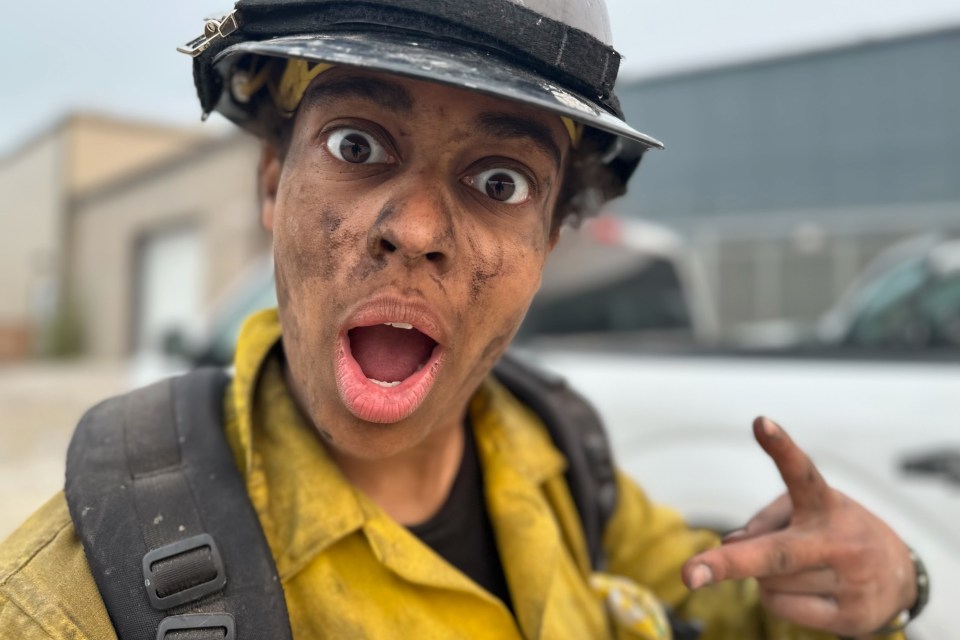
Much of this preparation comes down to working on better communication.
Olsen said work is ongoing to have better coordination and communication with the NWT’s Department of Municipal and Community Affairs – which runs emergency management in the territory and liaises with communities – and also to work with external agencies like the Canadian Interagency Forest Fire Centre, which helps to join up each province and territory.
Advertisement.
Advertisement.
A lot of that preparation involves “making sure that we have knowledge of the people we will be dealing with, the phone numbers are in place, and how the emergency contacts and the processes are going to look,” Olsen said.
Increased staffing, to a degree
While the aim is to have more personnel available this year, there won’t be a massive shift in numbers.
“We think maintaining what we’ve got and a couple more permanent crews is probably going to be OK,” said Olsen. “We also go into that with the understanding that we are training extra firefighters to pull in as and when – maybe not people that are going to work all summer, but we definitely want that pool of people that can come in and help for a couple of weeks.”
Olsen said the target is 140 to 144 permanent firefighters working this summer, with a pool of 200 to 250 that are qualified to be called up where needed.
“At this point in time, the conversation is that we could definitely use a couple more crews. Then we’ll have that kind of sweet spot between having too many and not enough,” he said.
Hiring has been “a challenge” in some parts of the territory, Olsen added.
“In some areas, we don’t have a lot of people interested in fighting fires. Maybe they have other opportunities or the demographics or workforce have changed,” he said.
“There have been some challenges making sure we’ve got the full complement and we’re working our way through that.”
Advertisement.
Advertisement.
Scanning from the air
The first big aerial scan for holdover fires begins early next week.
Holdover fires are the ones that smoulder away through the winter beneath the snowpack, where things can remain relatively warm and fires can stay alight deep in the undergrowth.
The NWT is expecting a fair few of these fires to pop back up as the snow recedes, but nobody knows for sure where all of them are. Infrared scanners will be flown over Yellowknife, Hay River, Fort Smith, Sambaa K’e and Fort Liard next week, as well as parts of the highway system, to try to start picking up on locations of holdover fires.
NWT Fire will add those scans to existing reports of holdover fires, then finalize a plan of attack specific to those fires, Olsen said.
Flights to assess the fire situation will continue throughout the remainder of April and into May.
Extra training, crews starting early
In the Dehcho and South Slave regions, where the NWT’s drought is at its worst, Olsen said training started early and some crews are already beginning work.
“Within southern areas, the snow’s almost gone in the areas around communities, so conditions are getting us quickly into fire season,” he said.
Crews that have already started are finishing off their training before being moved to address any early-season fire activity.
Advertisement.
Advertisement.
More helicopter power
NWT Fire is expecting to bring on helicopters in southern parts of the territory earlier than it normally would, Olsen said.
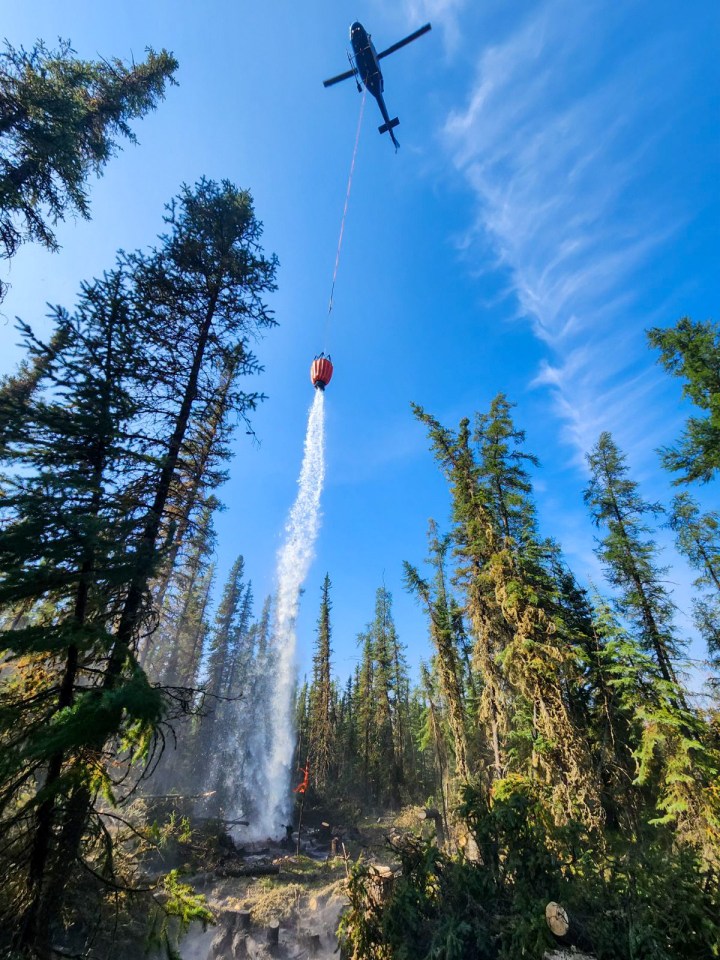
The territorial government is also bringing in an extra, larger helicopter to spend portions of the summer focused on wildfire response.
“We did run into issues last year with all the demand for helicopters. It was difficult to find helicopters at times last summer, so we’re going to staff another one – and extend some of the dates for the helicopters – to make sure we’ve got at least basic coverage for what we need,” Olsen said.
Improving health and safety
Firefighter Adam Yeadon was 25 when he was killed by a falling tree near Fort Liard last summer.
Olsen said NWT Fire is promising a renewed focus on its crews’ health and safety this year.
“This is going to be the summer where we really want to make sure we slow down for safety – and that we’re taking our time to make sure we’re looking around and completing all the required steps before we really put people into highly dangerous situations,” he said.
That means more training in enhanced first aid, chainsaw safety and danger tree assessment, danger trees being the ones considered at risk of falling once a fire has burned through an area.
NWT Fire has also hired a fitness specialist to help firefighters with their fitness tests and even work on their diet with them.
“We think we will reduce the amount of accidents, and people will perform safer, if we really model and show that fitness is important and directly relates to your mental health for managing fatigue and all the other safety aspects,” Olsen said.
Last year, NWT Fire used the GNWT’s Employee Family Assistance Program to offer services like counselling to fire crew members. However, not every crew member or contractor is a GNWT employee, so this year there’ll be some different options.
