



Advertisement.
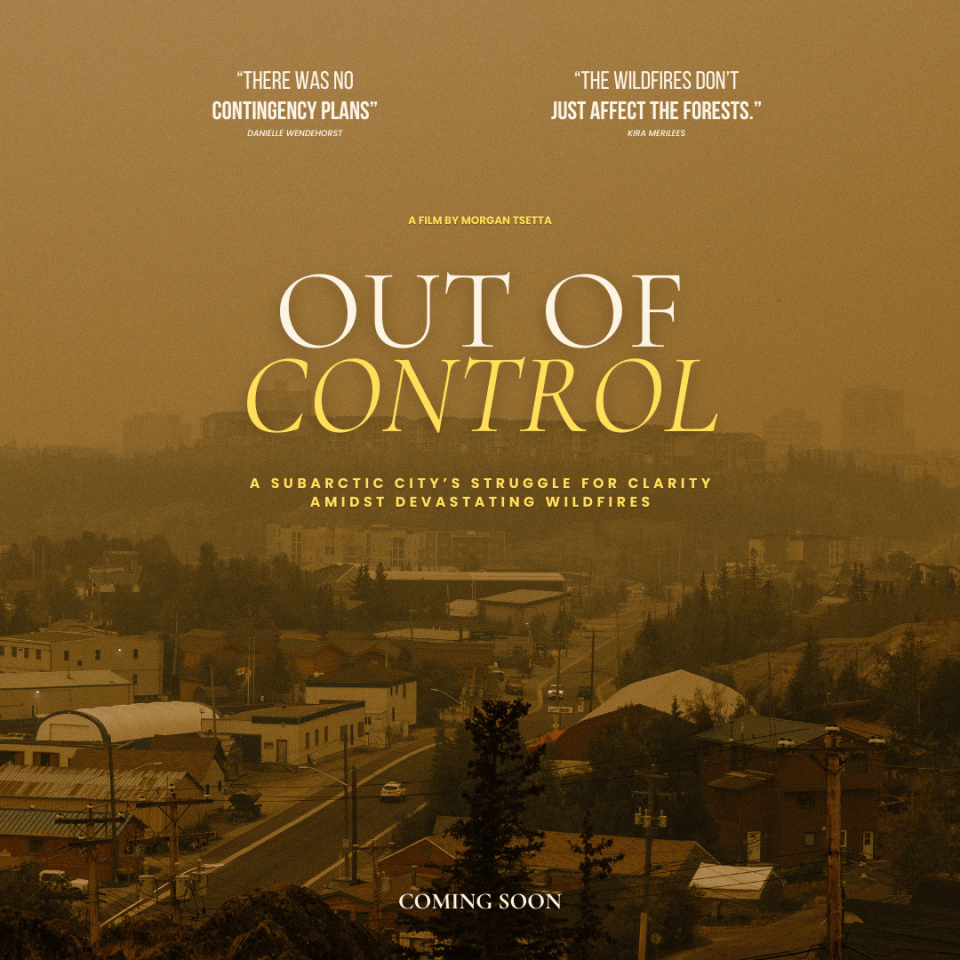
After witnessing traumatic wildfire evacuations last summer, Morgan Tsetta is making a documentary to “give those stories a chance to be told.”
A member of the Yellowknives Dene First Nation, Tsetta grew up in Yellowknife before moving south during her teen years. Growing up, she was always drawn to film, and wanted to be a director like Steven Spielberg or Wes Anderson.
She went to film school in Vancouver and was idealizing a career in Hollywood when the 2016 US election happened, making her rethink whether she was going to end up in Los Angeles in “that kind of political climate.”
During film school, she “really started embracing my cultural identity and being proud to be Dene, and a lot of my work just naturally started to focus on documentary work and showcasing Yellowknife and Ndılǫ and Dettah in whatever way that I could.”
Advertisement.
Advertisement.
“A lot of the film work that I tend to do is focusing within the community, and just doing whatever I can with my education to kind-of bring back and shine a light on our people and our culture,” Tsetta said.
She’s spent the past 10 years living in Vancouver, and splits her time between Vancouver and Yellowknife while doing film and photography work.
She was in Yellowknife last summer, staying with her mom in Ndılǫ while doing some film work, when evacuations began occurring in the NWT.
Before Yellowknife and Ndılǫ were even evacuated, Tsetta remembers thinking to herself, “I’ve got to start capturing this.”
Advertisement.
Advertisement.
“There was a story there,” she said.
She started filming behind-the-scenes aspects of the evacuation and initial interviews with evacuees.
“I feel like a lot of the emotional side of the evacuation was really overlooked as long as everyone was safe,” Tsetta said. “I just wanted to give a voice to people who were feeling frustrated, feeling run down and just disappointed through the whole process.”
After the evacuations, she took a couple of months off and started to think about how she was going to put the stories together. She came back to her project in the spring, picking up production, and is now working on it as her debut documentary.
It’s an emotional experience, listening to and going through interviews. “I find that a lot of people, it look a long time to process the trauma of the evacuation,” Tsetta said.
She includes herself in that. “As somebody who went through it myself, I know I wasn’t fully grasping my emotions until well into the new year, just not realizing how burnt-out I was and how closed-off I had been to the emotional side of being evacuated from our homelands, from trying to wrangle all of my family members from city to city to city, trying to get a hold of everybody wherever they were.”
The stress was compounded by the fact that one of her own family members passed away during the evacuation.
“When I hear people telling their stories of going through the evacuation, leaving things behind… it’s definitely an emotional story,” Tsetta said. “I’m really grateful that people are taking the time to go through that during these interviews.”
Advertisement.
Advertisement.
These stories will be front and centre in the documentary, which is titled Out of Control.
She hopes the documentary can help people learn what really went on through the evacuation process and wildfires last summer, and acknowledge that although the evacuation itself was successful (“people didn’t die, houses didn’t burn down”), there were a lot of logistical issues.
“There were a lot of things that were overlooked, houseless populations not being cared for,” Tsetta said.
“I’m just really hoping that people can watch this documentary, both in Yellowknife and across the country … to learn about what happened last summer from people who experienced it.
“When it feels as though government officials have abandoned you or are not being truthful or sharing information with you … the community of Yellowknife is really good at keeping each other informed, caring for each other, uplifting each other, and making sure that we’re all safe.”
Tsetta will be in Yellowknife throughout the summer to complete filming and interviews, which will include following up with some of her previous interviewees as they deal with the summer after. She’s also put out a call for more interviewees and is looking to speak with more people.
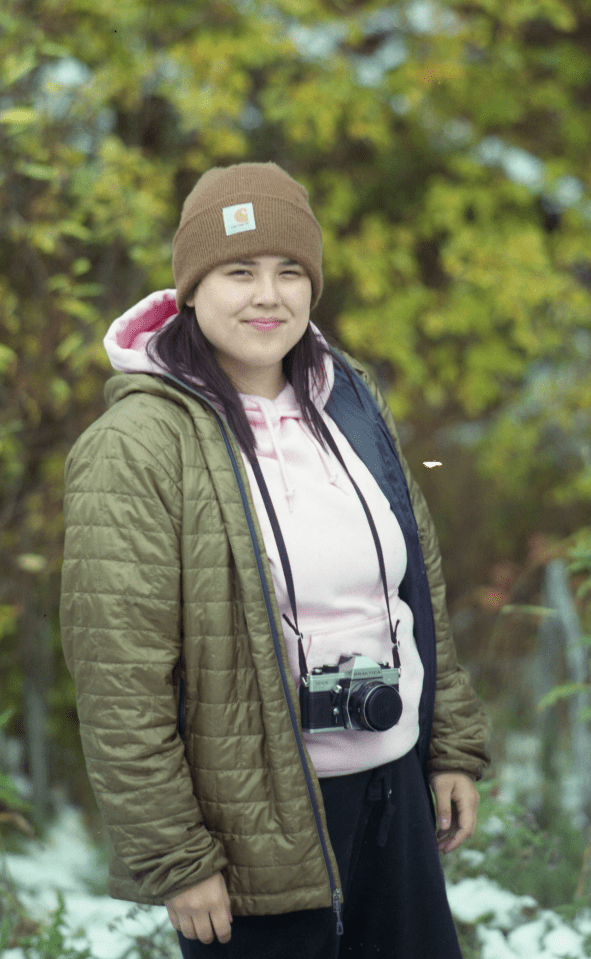
She hopes to have the documentary finished in fall or early winter. “I would love to premiere it this year, potentially have in-person premieres somewhere in Yellowknife,” Tsetta said. She plans on submitting it to film festivals, too.
She hopes the project can act as a stepping-stone to other work, enabling her to tell “a few more stories” about Yellowknife. One story she imagines telling is a feature-length documentary about the Giant Mine project, which Tsetta has covered extensively on platforms like TikTok.
Advertisement.
Advertisement.
“I think not a lot of people in Canada are aware about how toxic the abandoned mine is, and how delicate of a situation it is, just across the Yellowknife Bay,” Tsetta said. “I can literally see Giant Mine from my mom’s house.”
She wants to tell the story of Giant Mine to educate people, and also to hold the federal government accountable for its remediation and ensure that “all eyes are on Giant Mine.”
For now, Tsetta said, she intends to stay in Yellowknife for however long filming Out of Control takes.
If you’re interested in being interviewed for Tsetta’s documentary, you can reach her via email.
