



Advertisement.
Addie Jonasson has fond memories of living on the land with her parents as a young girl.
“It’s my heart, it’s my heartbeat,” she said of Thaidene Nëné, an Indigenous protected area near Łútsël K’é.
“It was the most beautiful time, being out on the land, so it means a lot to me and it means a lot that the Elders wanted us to continue to look after the land. I grew up always hearing Elders say, ‘ni hat’ni, watch over the land,’ so that’s what we’re doing.”
Jonasson is the chair of Thaidene Nëné Xá Dá Yáłtı, the operational management board for the Indigenous protected area. The board released its first draft relationship plan for Thaidene Nëné earlier this year, setting out a long-term vision, goals and zoning framework for the protected area.
Advertisement.
Advertisement.
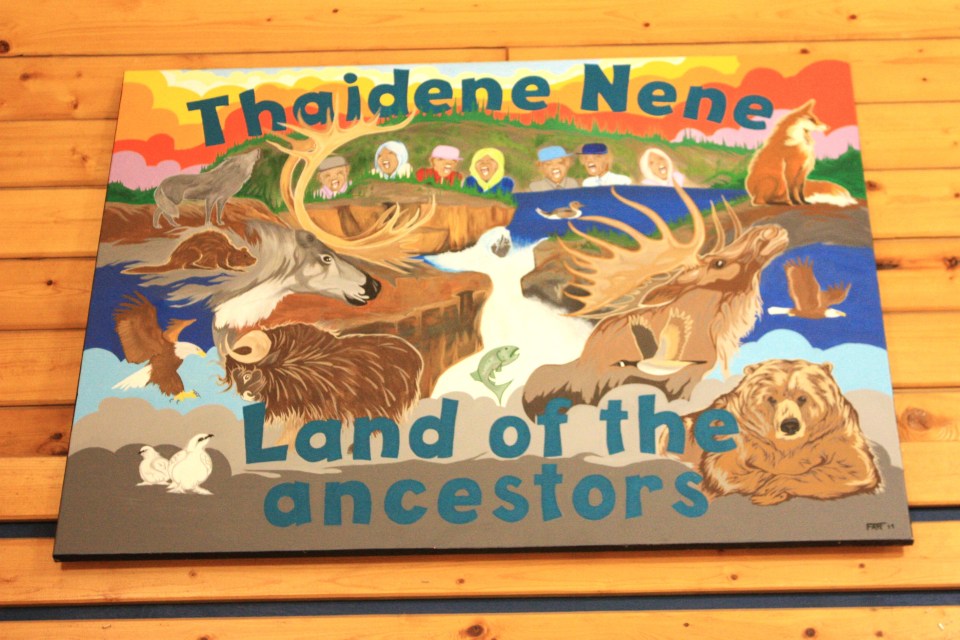
Following decades of negotiation and planning, Thaıdene Nëné, meaning “Land of the Ancestors” in Dënesųłıné yatı, was established in August 2019.
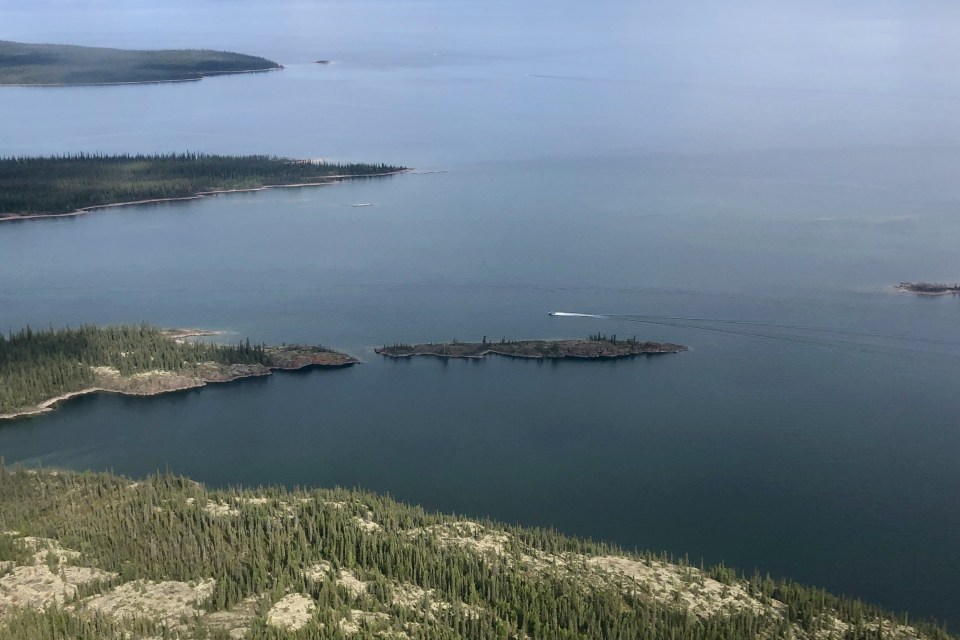
Spanning more than 26,000 square kilometres of land and water, it includes a national park reserve, territorial protected areas and a territorial wildlife conservation area.
The breathtaking landscape is home to caribou, muskox, wolverine, bears, wolf, moose, lynx, birds and fish.
Thaıdene Nëné also contains important historical, cultural and spiritual sites such as Desnéthcheé, the location of an annual Łútsël K’é Dene spiritual gathering; Tsąkuı Thedá, or Parry Falls; and an island in Ɂedacho Tł’ázı̨, or Timber Bay, where Gahdële – a powerful medicine man – is buried.
Advertisement.
Advertisement.

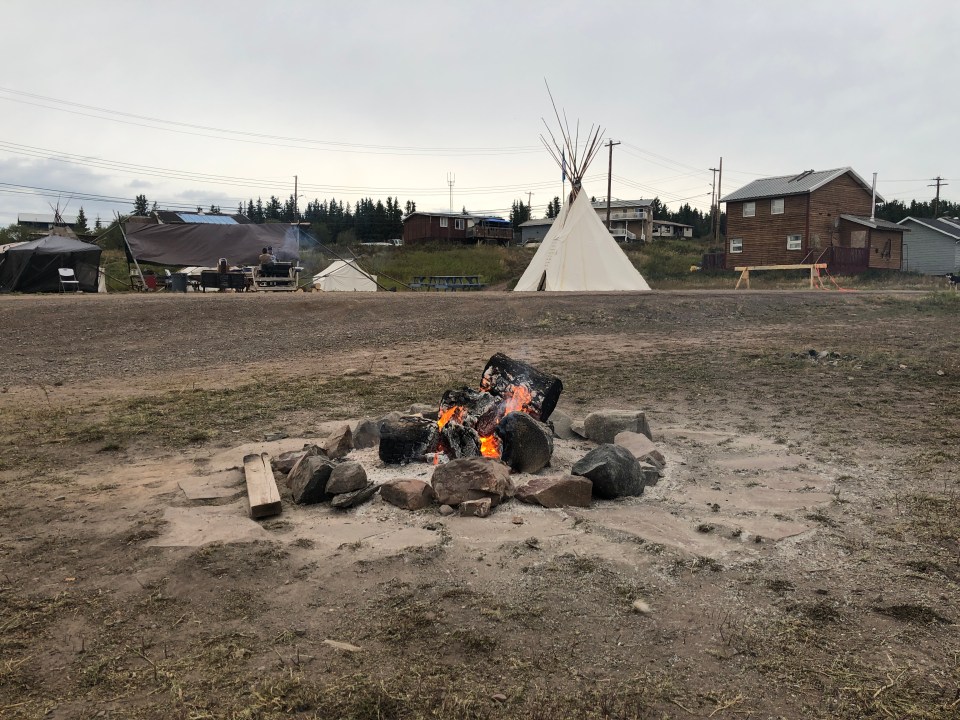
Łútsël K’é held celebrations for Thaıdene Nëné’s five-year anniversary this past weekend, including a fire ceremony, feasts, drum dances, a fishing derby and a hand games tournament.
“It means a big accomplishment for us here in the community,” Jonasson said.
“It’s many, many, many years of work, especially on the vision of our Elders in the community that we protect our area, and that’s what this celebration is all about.”
Łutsël K’é Dene First Nation sub-chief JC Gahdële spoke about the importance of the anniversary during the celebrations’ closing remarks.
“Every year at this time, we get together to feast, dance, play games. We will do this forever because Thaıdene Nëné is forever,” he told those gathered at the community hall.
“It’s a lot of work, but it’s fun too. It’s important that we celebrate our hard work, our accomplishments.”
Thaıdene Nëné is co-managed by the Łútsël K’é Dene First Nation, Northwest Territory Métis Nation and federal and territorial governments. The Deninu Kųę́ First Nation and Yellowknives Dene First Nation provide guidance on stewardship.
In 2020, the Łútsël K’é Dene First Nation was one of 10 winners awarded the United Nations’ Equator Prize for its work advocating for and establishing Thaıdene Nëné. In 2022, the New York Times highlighted the Indigenous protected area as one of 52 sites around the globe “where travellers can be part of the solution.”
Advertisement.
Advertisement.
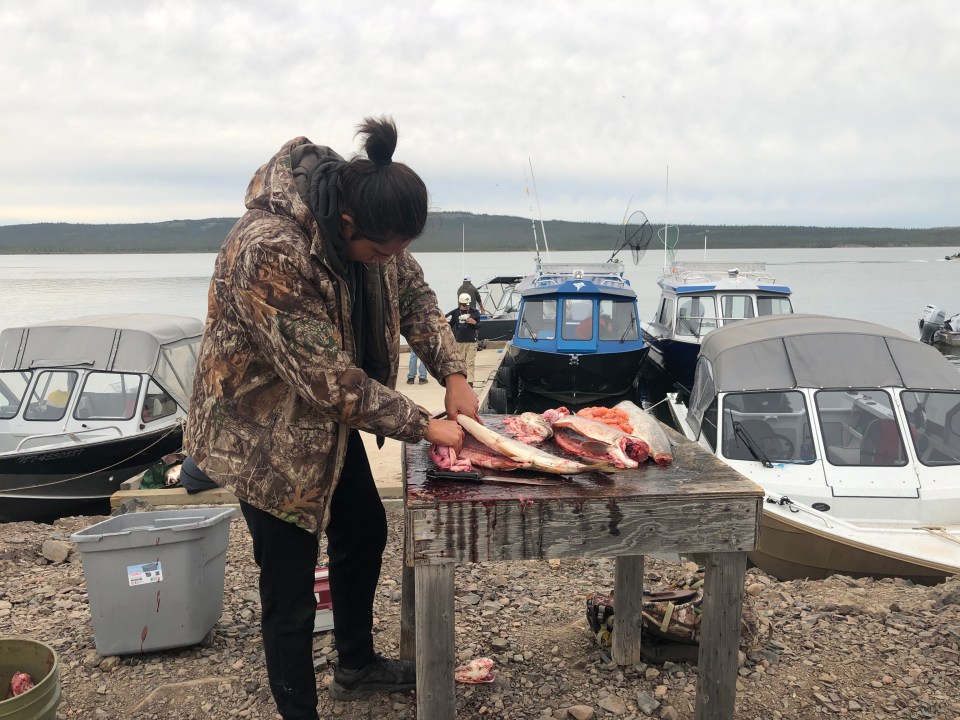
Iris Catholique, the manager of Thaıdene Nëné, oversees the day-to-day implementation of the protected area’s agreements. She said the anniversary of its establishment is an important date to remember the promises made in those agreements and evaluate the progress made.
“Our team is able to hunt and harvest all the time because we have the tools, we have the equipment, they have the traditional knowledge to go on the land, to be able to give back to the community,” she said, noting Łútsël K’é struggled to import food when last year’s evacuation of Yellowknife cut off supply lines.
Catholique said other benefits of establishing Thaıdene Nëné include employment, training and knowledge-sharing opportunities.
She described being “able to see people succeed and earn a living at the same time, and do the things that they love to do, which is to be out on the land and practising their traditional life – and being paid for it, which I think is pretty cool.
“You don’t have that anywhere else.”
Catholique is particularly passionate about connecting youth and Elders to promote traditional knowledge, culture, history and language.
“To be able to live and work in such a beautiful place, with all of the memories of being out on the land as a child, and being able to take that traditional knowledge and training I have from my grandfather and to be able to share it with younger generations, I think it’s pretty important,” she said.
“We’re in an era where residential schools have really taken a lot away from our people.”
Advertisement.
Advertisement.
Catholique said she hopes to employ more people in the future and continue to share Thaıdene Nëné with people from around the world.
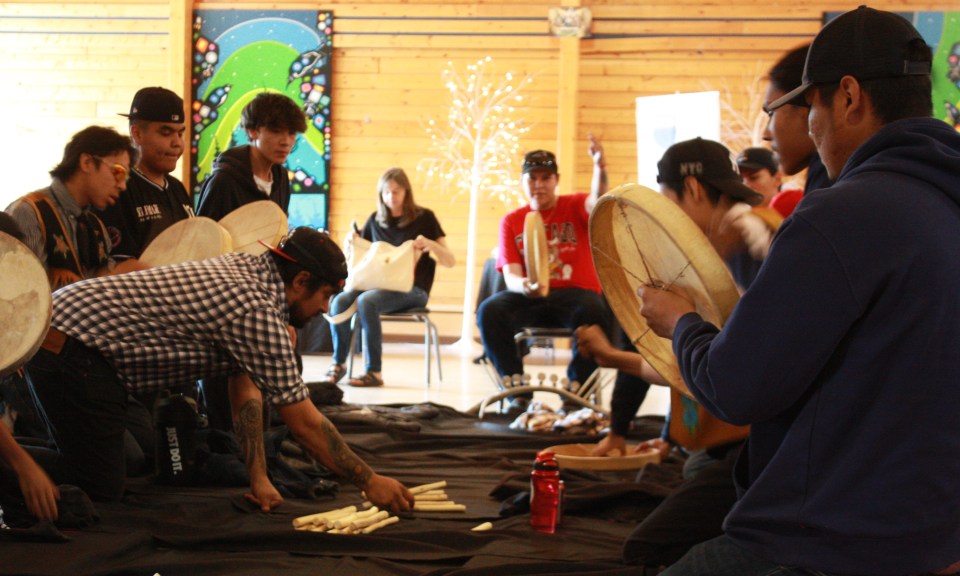
Sunrise Lockhart – coordinator for the Ni Hat’ni Dene who monitor the Indigenous protected area – said the establishment of Thaıdene Nëné secures a way of life for Dene people.
“The people around Thaıdene Nëné are really powerful people that are really connected to the land,” he said.
Tsa-Tsi Catholique said the celebrations were an opportunity to share in the success of Thaıdene Nëné and the continuation of traditional knowledge and practices.
“I think it’s important to really foster the continuation of our traditional way of life and the traditional usage of our practices and our spirituality,” he said. “This gives us an opportunity to kind-of strengthen those ideals and move forward in an ever-evolving landscape.”
Shonto Noeldeke-Catholique said the anniversary is a reminder of how the First Nation was “able to accomplish something pretty amazing at protecting a huge, massive area,” alongside its partners.
“That area that’s protected is pretty sacred to us,” he said.
“A lot of descendants come from there, right? Come from Timber Bay, come from Reliance. We’re all descendants from it.
“If it wasn’t there, then none of us would be here. So making that area protected is pretty amazing.”
