




Much of the discussion around the NWT’s drug crisis has focused on addictions recovery and law enforcement. Less visible is the harm reduction work under way.
Representatives from the territory’s health department and health authority laid out their approach to reducing the harms associated with alcohol and drug use in a public briefing last week.
Harm reduction refers to policies, programs and practices that aim to minimize the negative impacts associated with drug use – things like the spread of infectious disease, crime, and costs to the health and social services system.
“Harm reduction approaches, in general, are evidence-based, they’re cost-effective and they help enable people to increase control over their health,” said Shawna Gilmour, the health authority’s territorial lead on addictions and recovery.
“Initiatives will often arise in response to a specific need and they should be tailored to the local context of what’s happening in that community or in that region.”
Advertisement.
Advertisement.
For example, Gilmour said, the territory began offering safer injection supplies – or distribution of clean needles – in 1991. She said that has been shown to reduce the risk of spreading bloodborne infections such as Hepatitis C and HIV.
While use of that program is low, she said the distribution of safer inhalation supplies is more common. That began in the Yellowknife region around 2019 in response to demand. Since February 2023, she said around 5,000 safe inhalation kits have been distributed.
Gilmour said safer inhalation supplies, such as straws and pipes, can reduce the risk of respiratory illnesses, cuts, burns, or inhaling fragments from homemade equipment.
“We see issues like melted plastic or fragments of steel wool that are used as filters in crackpipes,” she said. “These can really cause significant issues for folks, and having the safer options for people to use can be really helpful from a prevention standpoint.”
Advertisement.
Advertisement.
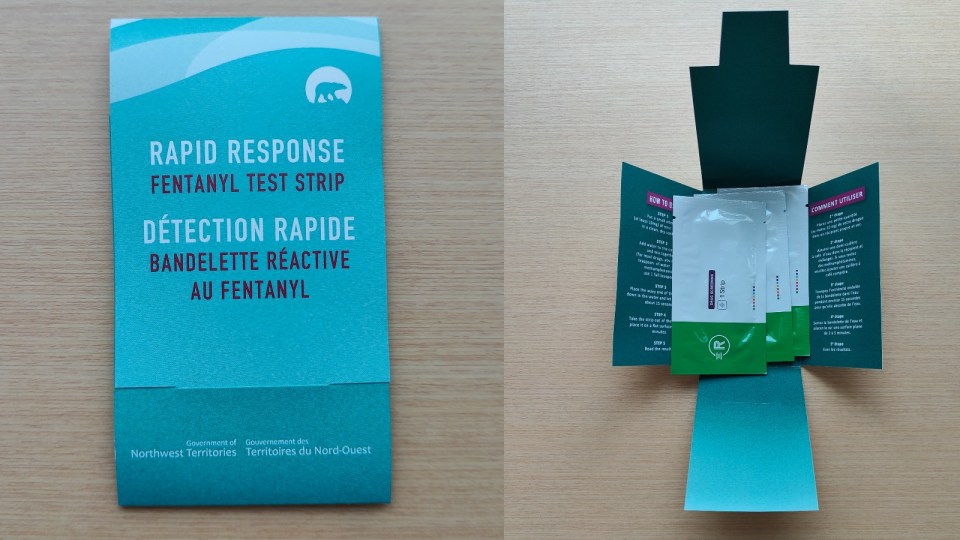
Other drug-related harm reduction initiatives in the NWT include a fentanyl test strip project, overdose prevention and response sessions and the use of drugs such as suboxone methadone to treat opioid dependence.
Naloxone kits are also available for free at all hospitals, health centres and pharmacies.
Managed alcohol programs
Gilmour said managed alcohol programs aim to limit intoxication and consumption of alcohol in products other than drinks, as well as prevent serious alcohol withdrawal symptoms.
She said that kind of program has been shown to increase safety and quality of life and decrease harms from alcohol, police interactions and emergency department visits.
She pointed to the managed alcohol program at Yellowknife’s Spruce Bough supported living program, which has faced challenges due to a lack of permanent funding.
During the pandemic, Gilmour said, the territory began delivering a managed alcohol program at Stanton Territorial Hospital to help manage withdrawal symptoms in patients admitted for other health concerns.
“It may not be ideal for that person to immediately cease alcohol consumption and end up experiencing potentially really significant effects of alcohol withdrawal while they’re also experiencing another potentially critical illness,” she explained.
Gilmour added that detox alone has been shown to have little to no impact on long-term substance use. Forcing someone who is not ready for treatment to medically detox could have negative repercussions, she said.
Advertisement.
Advertisement.
A first step
Sara Chorostkowski, the Department of Health and Social Services’ assistant deputy minister for programs, said harm reduction efforts are just one part of the territory’s approach to supporting people with addictions and promoting public health and safety.
“The issue of addictions is significant in the NWT and it does remain a top priority for the health and social services system,” she said.
“The journey of recovery is not linear and nor is it the same for everyone. So in light of this, the health and social services system continues to focus on ensuring a variety of supports and services for individuals impacted by addictions, including harm reduction.”
Gilmour added that while harm reduction programs do not focus on addictions treatment and recovery, they are an important outreach tool for health and social workers.
“Those services can often be a first step to people thinking about making a change and moving along that path to recovery,” she said.
“Even if folks aren’t ready yet, it’s still really important for those of us who work in the health and social services system to let folks know that we are there for them, no matter where they are in their readiness.”
Addiction is complex, Gilmour said, and people with substance use disorders often have a history of mental health issues, trauma and other contributing factors. She said the first step to recovery is creating a sense of safety and stabilization.
Chief public health officer Dr Kami Kandola said the territory is working to expand harm reduction and recovery services across the NWT.
