


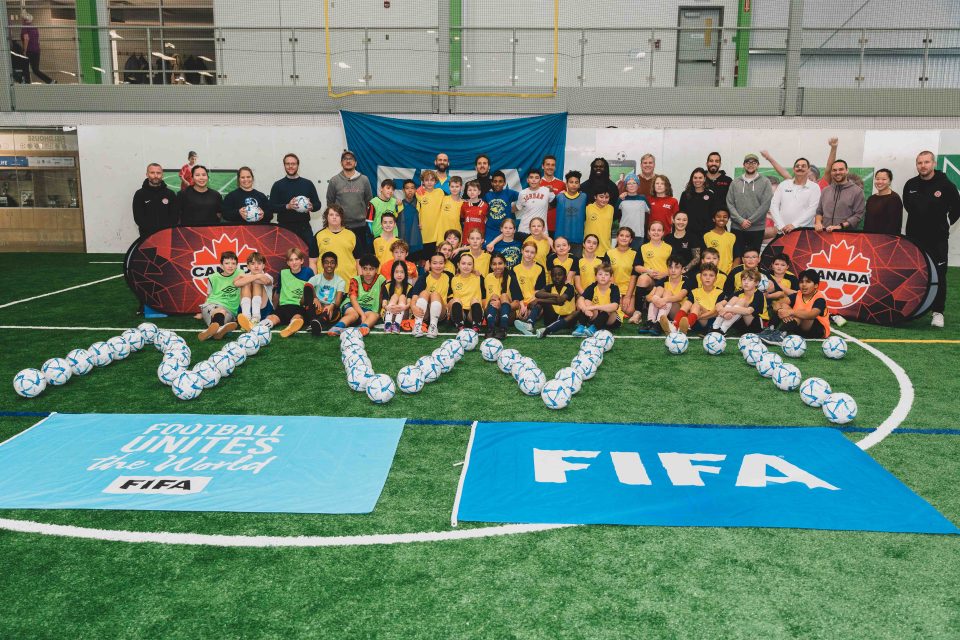
Yellowknife has become the Canadian launch city for a program designed by soccer world governing body Fifa to help teachers grow the game.
The Football for Schools program, which already exists in more than 100 other countries, made its Canadian debut in the NWT capital last week.
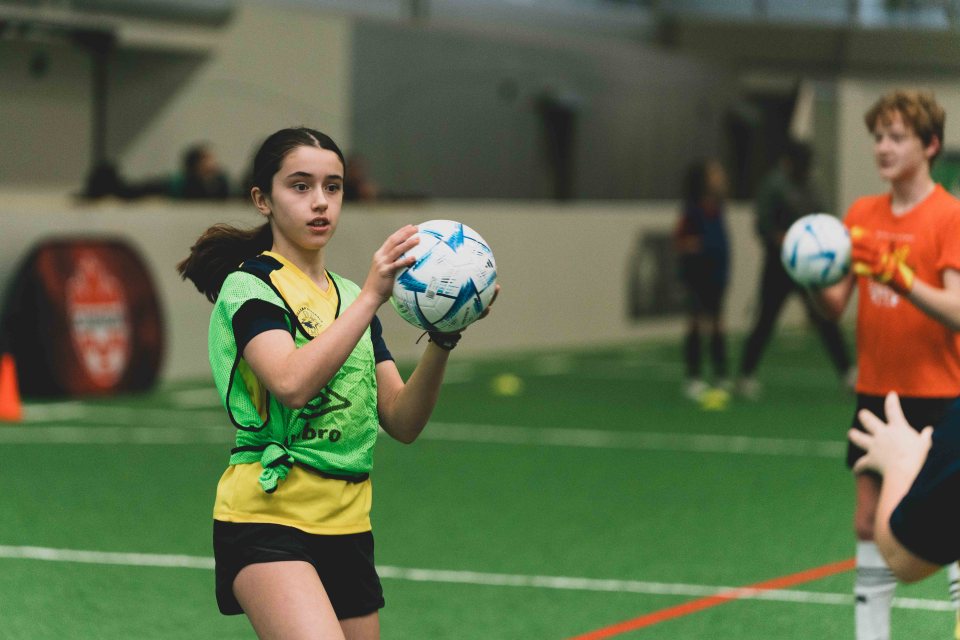
Ten teachers and coaches were run through a two-day course by Fifa facilitators. Educators who took part will now take what they learned back to the NWT’s schools, where they can “run the program there to teach other educators how to incorporate it into their curriculum,” said NWT Soccer executive director Melanie Thompson.
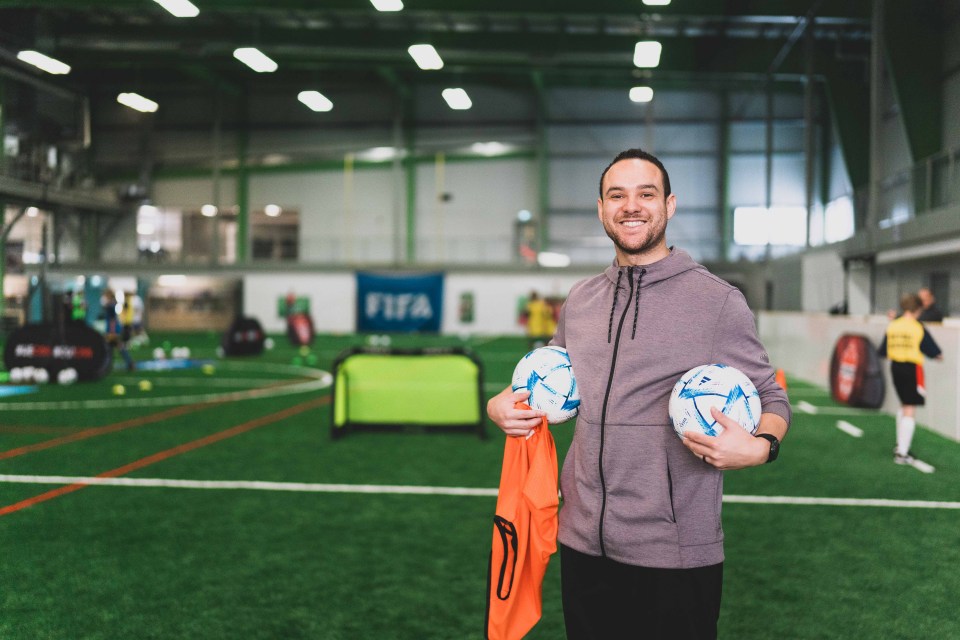
Brooks Skyers, a teacher at William McDonald Middle School, said Football for Schools had shown him “a different way of implementing life skills and soccer in the same session.”
He said the course had been about learning to communicate as much as it was about coaching soccer skills.
Advertisement.
Advertisement.
“A highlight for us has been the opening and closing circles when we come to practice – being able to have open discussions about perseverance, teamwork, self-reflection and how we are able to take different things away from the experience of working hard together as a group,” Skyers said, giving an example of tools he had learned.
“One of the goals is to have them develop confidence within themselves,” he said of his students, “and to be able to see improvement every time they step out onto the field – or in the classroom.”
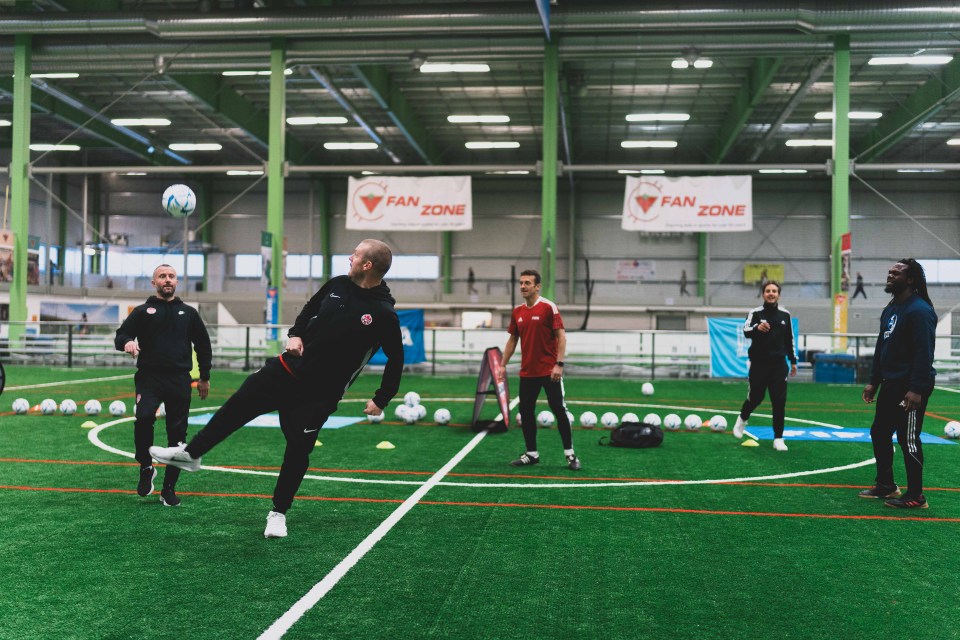
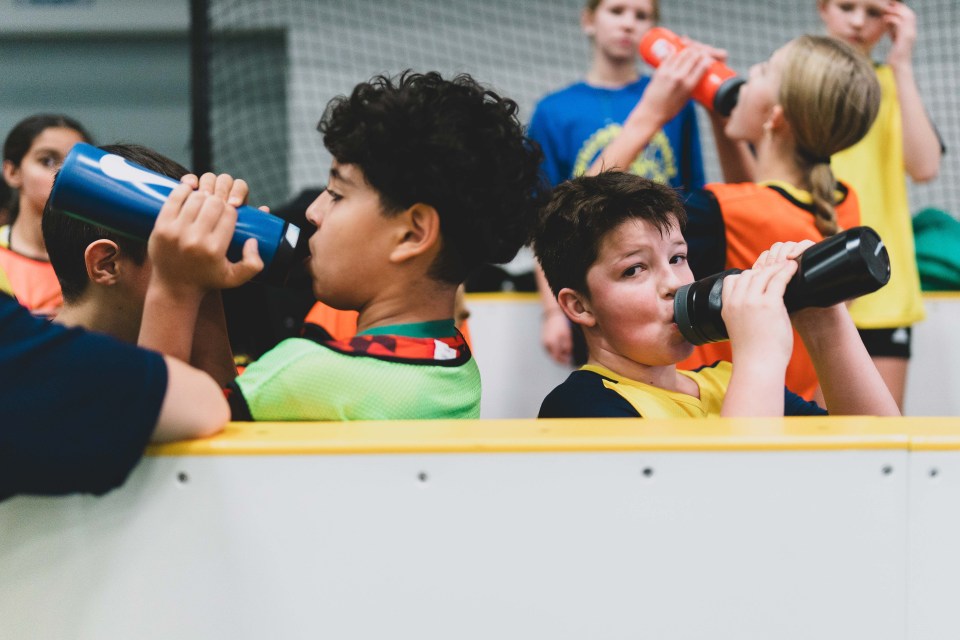
Thompson said the program’s ultimate goal is to “get more soccer played around the North.”
Soccer is one of the easier sports to access in many NWT communities but, even so, struggles with the same issues many activities face, such as a lack of capacity, equipment and continuity. Programs in the NWT often rise and fall with the presence of a single volunteer prepared to spearhead them.
Advertisement.
Advertisement.
Sara McConaghy, Canada Soccer’s director of community engagement, said the national governing body recognized that issue in isolated areas.
“The beautiful thing about this program is it’s not just what you see today,” McConaghy said.
“What happens after this is [the educators trained last week] go into schools in Yellowknife and the communities to bring the program to those communities.
“On top of that, in terms of the curriculum and all the resources available, there’s 2,000 soccer balls that we’re leaving behind so every kid in Yellowknife – and the Northwest Territories – can have access to the equipment that’s necessary to play the game.”
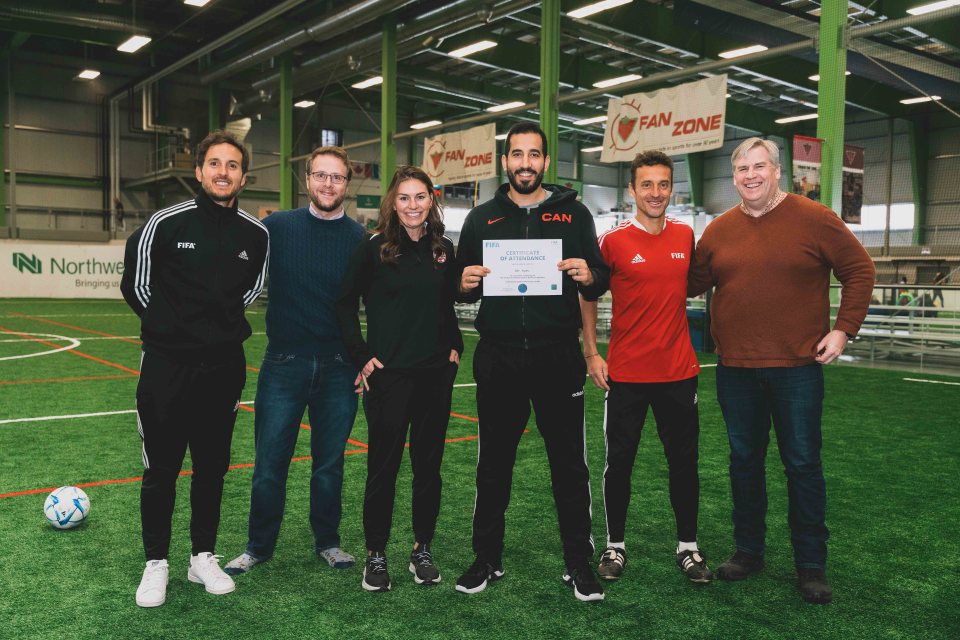
Andrew Gilmour, the new executive director of the NWT School Sports Association, said the program marked a “wonderful partnership” with NWT Soccer and he hopes more collaborations with other sports follow.
NWT School Sports is responsible for some of the territory’s biggest track and field, volleyball, basketball and soccer championships, alongside events for many other sports. Gilmour said he had been hired to oversee tournament organization that was previously “being done by the PE teachers off the side of their desk.”
“The school boards decided to come together and create a position that can help alleviate that from them,” he said.
“That’s the main purpose but, as I get into school sports and I’m talking to people and making those connections, all of these other things started popping up. Could you help us get a program into the school? Could you help us get equipment?
Advertisement.
Advertisement.
“We still obviously do the tournaments, that’s a big focus for us, but we’re also looking at these other pieces where we can step in and help the schools with their sports.”
Gilmour hopes to use the Football for Schools program as an example to other territorial sports organizations of a way sports and schools can work together.
“I want to be able to go to the schools and ask them what they need,” he said.
“If they tell us they want a soccer program, now we have a soccer program. It’s been introduced, we have facilitators and trainers, and we have an easier way to implement that into the schools.”
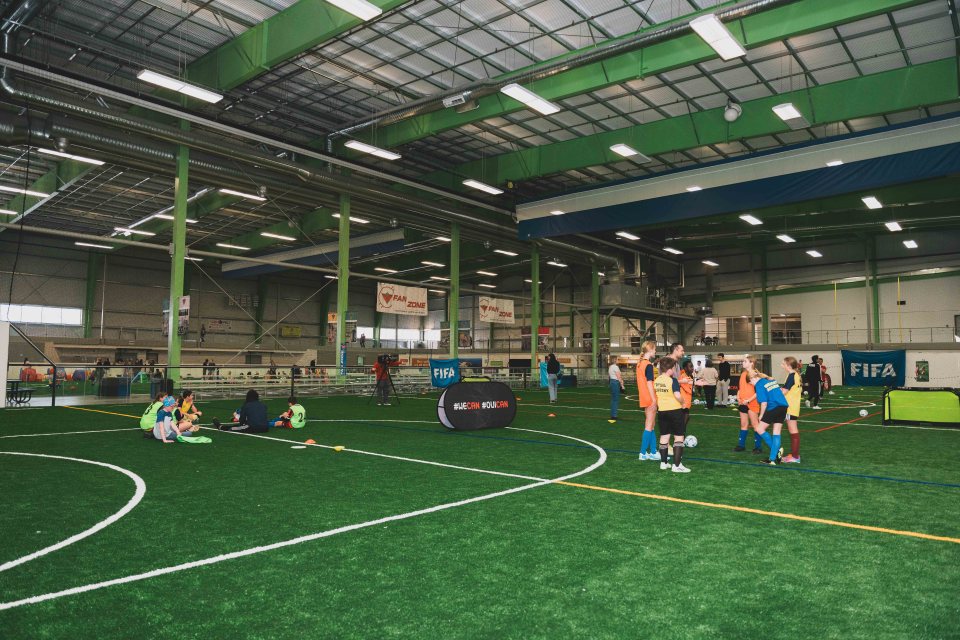
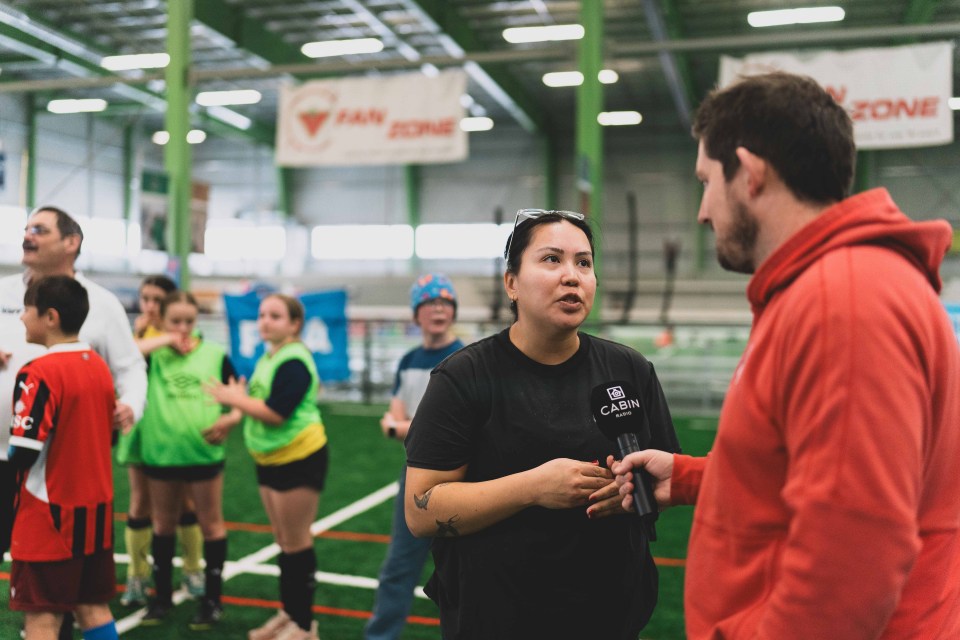
“It’s been good,” said Mercedes Rabesca, who represented Behchokǫ̀ as a soccer player before becoming the community’s recreation manager, as she completed the program.
Rabesca said she appreciated “little tips and pointers” that had helped her to develop during the course.
“My coaching style is I keep to myself, very reserved, and I just watch and listen a lot, because that’s what I was taught to do,” she said.
“Being able to be more vocal and stuff, like the coaches here who are facilitating, is really good.”
Rabesca said she was excited to return to Behchokǫ̀ with the knowledge she had gained at the Yellowknife course.
“I feel like it’s easy to bring it back because the resources are easy to use,” she said, “and I feel like I can share it back home and build more capacity with more volunteer coaches.”
