



Dehcho MLA Sheryl Yakeleya says there is not enough emphasis in the NWT’s draft budget on strengthening the economies of small communities.
She described a “striking difference” between the economic outlook in Yellowknife, regional centres and small communities.
“There is a divide between those who have, who are living in bigger centres and communities, and those who have not in the small communities,” she said.
Yakeleya and five other regular MLAs spent some of Tuesday’s sitting at the legislature sharing their views on the budget.
The territorial government released its proposed 2025-26 operating budget earlier this month. Finance minister Caroline Wawzonek said it focuses on “using the resources that we have for change” during a time of uncertainty.
Advertisement.
Advertisement.
Four regular MLAs had already suggested the budget does not do enough to advance the assembly’s priorities while failing to meet the government’s fiscal responsibility targets.
On Tuesday, other MLAs called for more investment in small communities, a focus on the non-renewable resource sector, fiscal restraint and a culture shift.
To grow the northern workforce and economy, Yakeleya said the NWT must improve education outcomes, heal trauma associated with the residential school system, and provide workforce training in communities.
She called for more lending, financing and business services; consistent and regular visits from business experts to communities; more reporting on the results of business development programs; and for the government to move jobs to communities.
Advertisement.
Advertisement.
“The government should be putting money towards actions that will improve the lives of residents in small communities and improve the capacity of local communities,” she said, “because this strengthens the territory overall.”
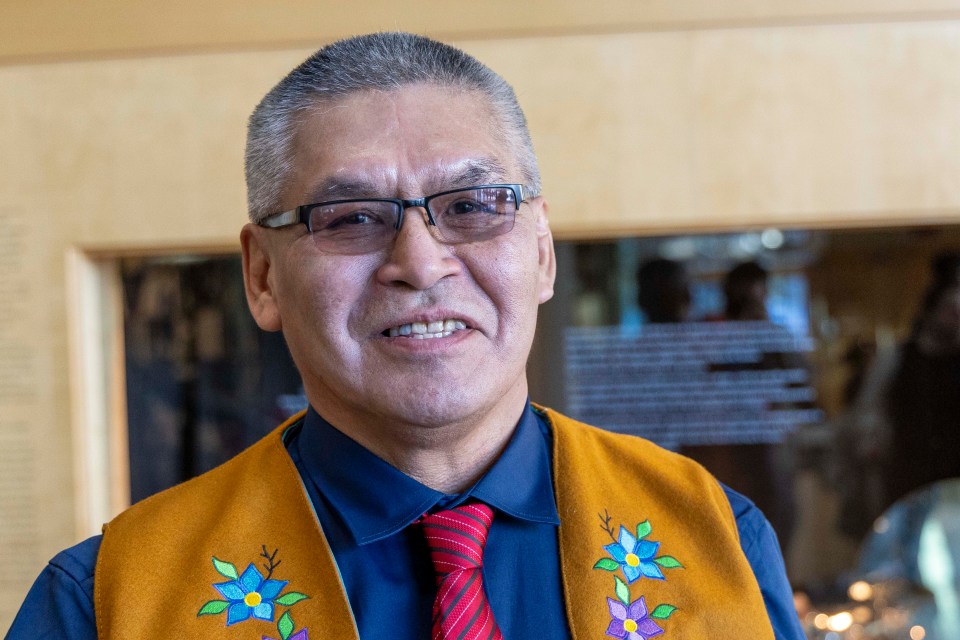
Mackenzie Delta MLA George Nerysoo advocated for investments in housing, healthcare and education in communities.
Citing long public housing waitlists and ageing units in need of replacing, he said homeownership and market housing should play a bigger role in small communities.
“Believe it or not, not all of our Indigenous residents are dependent on the government but want their independence back. But with policies and procedures, we have to struggle living within public housing and policies that govern our lives,” he said.
Nerysoo said the territory needs to do more to support people to get out of the income support cycle. He suggested having Indigenous governments administer income support as an option.
The MLA said the territory’s education system is not properly preparing students for life after high school and raised concerns about Aurora College’s plan to close community learning centres.
He further voiced worries about the lack of permanent dental care in some communities and the state of addictions treatment in the NWT, as well as challenges preventing Elders from ageing in their communities.
“I believe that the small communities of the Northwest Territories do matter and will play a major role in reshaping the economy of the NWT,” he said.
Advertisement.
Advertisement.
“This government and this budget should start investing in its greatest resources. No, it is not precious metals or oil or gas, but our people of the North.”
Focus on the economy
Denny Rodgers, the MLA for Inuvik Boot Lake, said the latest budget offers little in reductions and does not move away from “a status quo budget.”
He called for greater efforts to improve the territory’s economy, emphasizing the territory’s non-renewable resource sector.
Rodgers described the NWT as “resource rich and cash poor.” He urged the government to streamline its regulatory regime – which Premier RJ Simpson has pledged to do – to increase investment in non-renewable energy projects in the territory.
Rodgers also suggested further engaging Indigenous development corporations, and creating economic working groups that could provide ideas to the government.
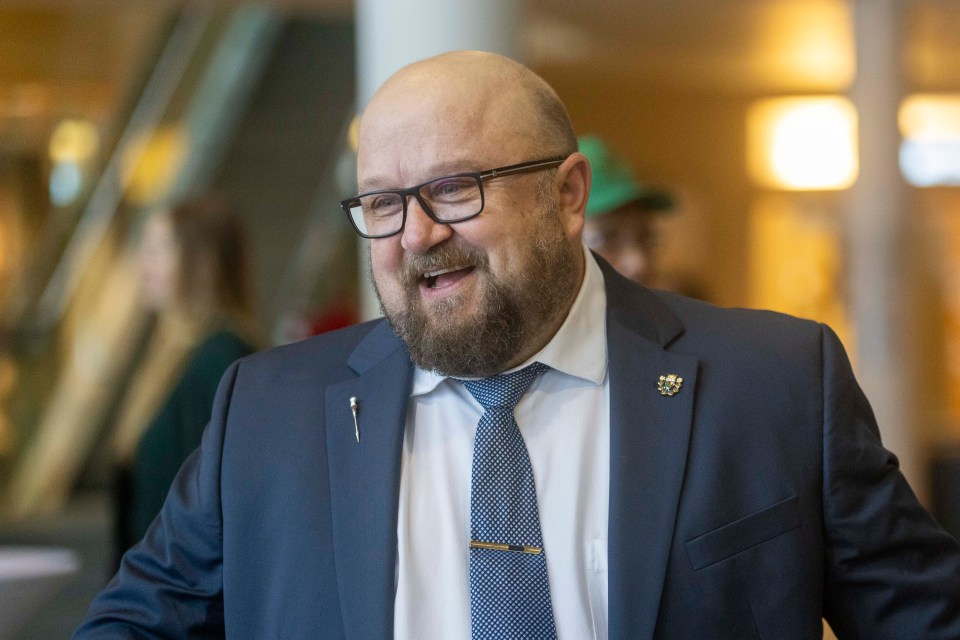
“If we continue working together and we put the economy first and make sure that we are creating jobs, we’re creating opportunities and we’re building industry in this territory … that will take us to prosperity,” he said. “That will solve the issues we have around social issues, around housing issues.”
During a budget presentation in which he discussed the territory’s economic outlook, deputy finance minister Bill McKay had earlier told reporters the NWT’s gross domestic product, or GDP, is projected to be at its lowest point in a decade.
That’s largely due to the fact that the territory’s three diamond mines are ageing and nearing the end of their life.
Advertisement.
Advertisement.
GDP measures the market value of all goods and services produced within the territory during a specific year.
McKay said, however, that while the mining sector drives the territory’s GDP, it is the public service – or government – that drives employment.
He added that smaller economic sectors are growing in the territory, including the film industry, tourism and the traditional economy.
Keep the paddle in the water
In the legislature on Tuesday, Yellowknife North MLA Shauna Morgan also described “a status quo budget.”
Using an analogy about whitewater paddling, Morgan said rather than grabbing the sides of the boat when things get turbulent – or “holding on tight to the status quo” – she would like the government to keep its paddle in the water and focus on where it needs to go.
“That is the only way towards real stability and safety,” she said.
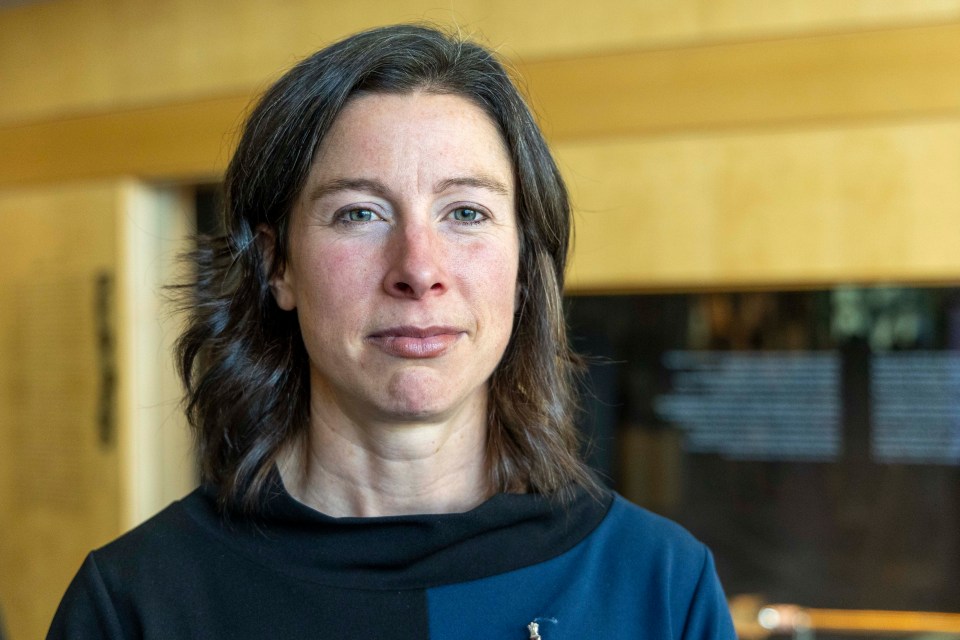
Morgan said spending items in the budget are signs that the territory is “barely treading water.” She pointed to a $12-million subsidy to mitigate the impacts of a general electricity rate increase and “hemorrhaging” healthcare costs.
Morgan said the territory needs to rethink how it delivers housing, income security and education so people have more of a sense of ownership over their lives. She highlighted the importance of accountability and making wiser choices with limited resources.
Advertisement.
Advertisement.
She praised the government’s creation of a healthcare sustainability unit as well as a unit dedicated to creating a strategic approach to homelessness.
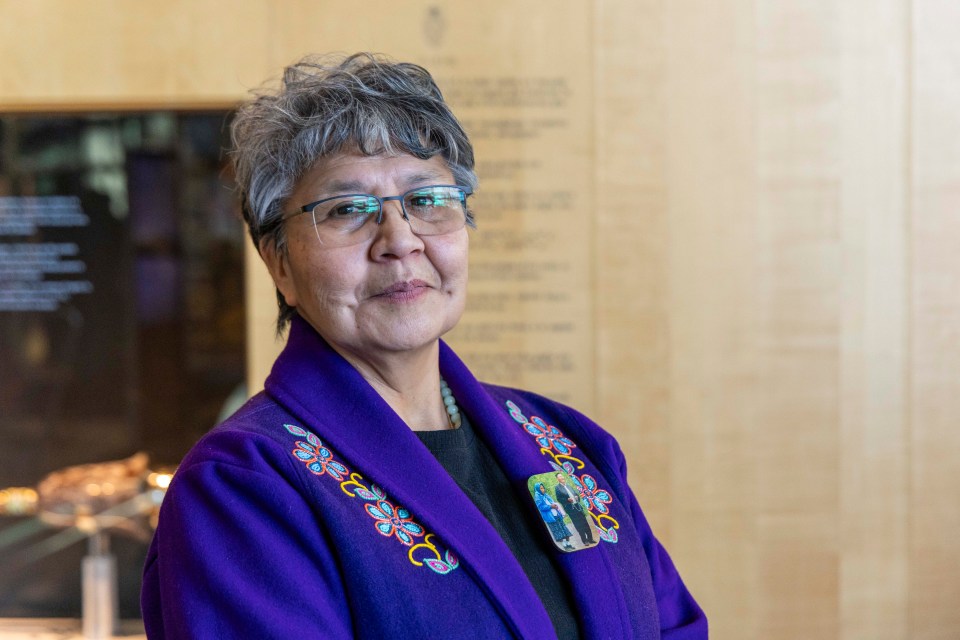
In her statement on the budget, Monfwi MLA Jane Weyallon Armstrong expressed concern about the territory’s long-term financial status as it nears its debt ceiling.
“We need to find ways to reduce our debt levels so that our children and future generations are not negatively impacted by the decisions we make today. We should be investing in their future, not borrowing against it,” she said.
Weyallon Armstrong said while the budget does not include everything MLAs want, she said she believes it is “responsible, sustainable and the first step towards reducing our debt.”
A culture shift
Kate Reid, the MLA for Great Slave, said discussion about the budget should not just be about investing money but also intention and leadership.
“I am not sure we are having conversations that challenge us to do better in every aspect of how we govern. And those are the conversations that seem most crucial to me in this time of great uncertainty that pervades almost every facet of our lives,” she said.
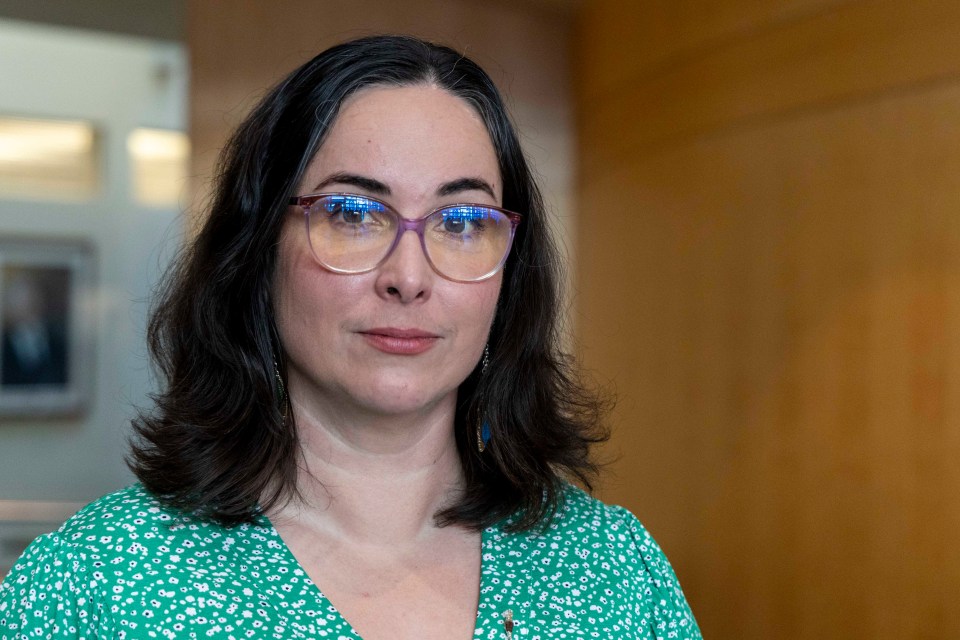
Reid shared her vision of a government that focuses on community rather than self-interest and protects the needs of the most vulnerable.
Reid said while consensus government prioritizes the collective over the individual, in practice, it falls short when faced with “hierarchical, patriarchal ways of acting and thinking that we practise as a western culture.”
Advertisement.
Advertisement.
She called for a culture shift in the public service and for the assembly to recommit to balance, regeneration and the health of communities.
“When we lean hard into divisive approaches, people with the least are those who suffer,” she said.
“I am uninterested in my own power or domination or making government bend to my individual will. I am interested in a government that puts community care as its ultimate goal.”
Regarding financial investment, Reid said she wants the territory to spend the money it has more effectively, which will require data on programs and resources.
She said MLAs want to see more investment to address priority needs such as housing.
“This budget begins to address those issues but there’s always room for improvement and expediency,” she said.
“We need to stop saying that northerners are resilient. The goal of government should be to prevent people from being put into situations and circumstances where they need to be resilient to begin with.”
