



A transitional housing program aimed at helping people recover from addiction formally opened in Yellowknife on Monday.
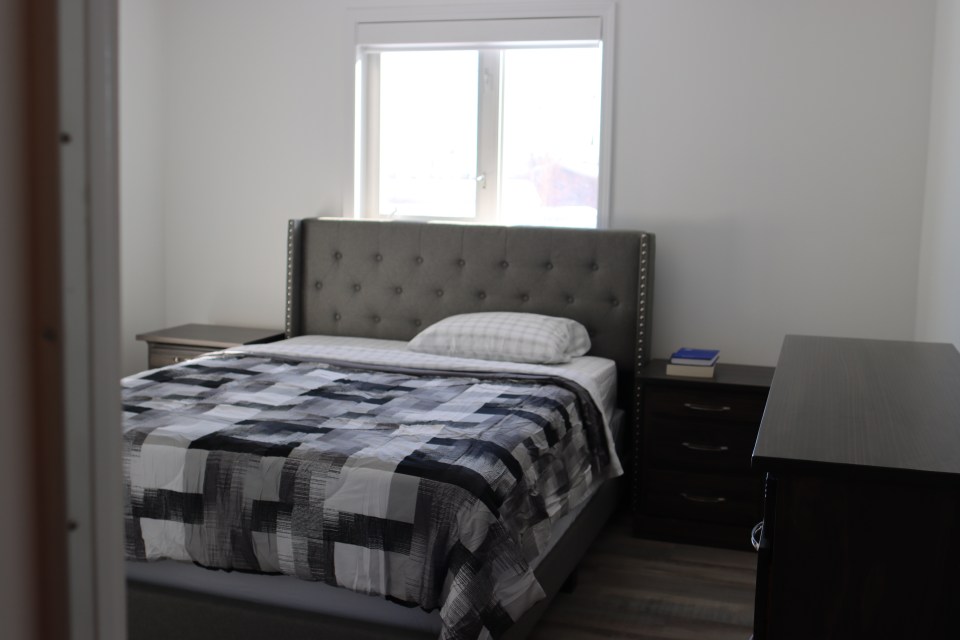
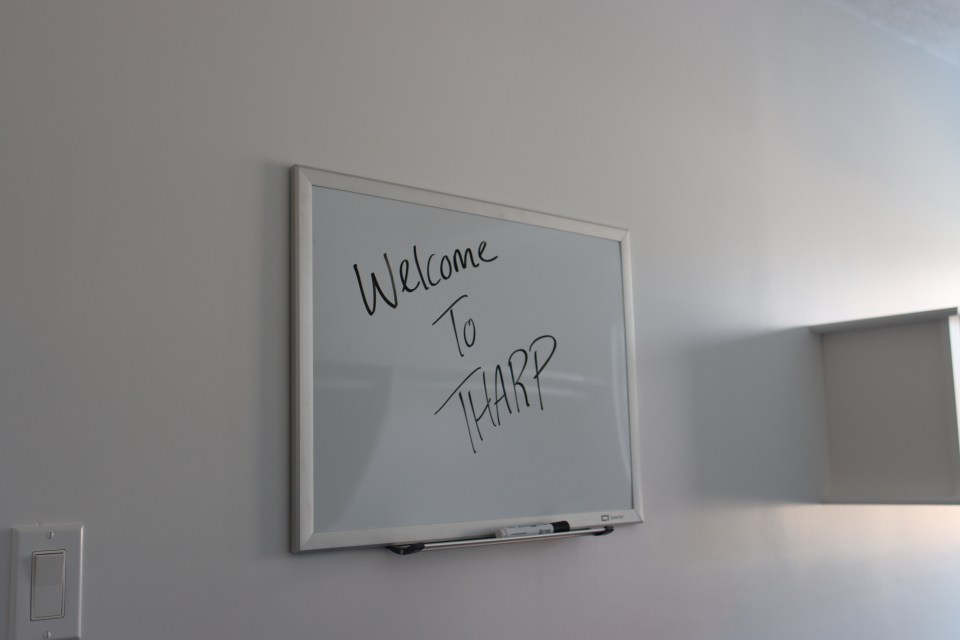
The territorial government said $1.3 million in federal funding had been used to purchase and renovate a seven-bedroom home. Two rooms will be for staff and five for people in the new Transitional Housing Addiction Recovery Program, or Tharp.
The home is expected to begin accepting residents in early April. Staff asked that its exact location not be disclosed.
“For the first time, residents will have access to both addiction recovery support and safe transitional housing within the territory,” health minister Lesa Semmler said as dignitaries opened the facility on Monday.
“Tharp gives participants the stability they need to rebuild their lives, reconnect with their community and culture, and create a healthier future.”
Advertisement.
Advertisement.
The Department of Health and Social Services will fund and oversee service delivery while the Salvation Army will operate the program. The house is owned and maintained by Housing NWT.
Tony Brushett, executive director of the Yellowknife Salvation Army, said people returning from addictions treatment elsewhere will now be able to stay in the house for one to three months with around-the-clock support as they reintegrate into the community.

“When individuals are sent down south for treatment and they’re brought back home again afterwards, unfortunately, home for a lot of them is the shelters,” he told Cabin Radio.
“So when they’re brought back to the shelters, they’re brought right back into the epicentre of exactly what got them in the trouble they’re in.”
Advertisement.
Advertisement.
Brushett acknowledged the likelihood that “many more than five” people will apply.
“We’ll just have to prioritize who the first five will be,” he said.
“Some will move on in as short as 30 days. For others it might be 90. So as soon as there’s a bed empty, the next day we’ll fill it.”
The initial tenants will be residents of Yellowknife. After the program takes off in the next few months, people from all over the territory will be accepted.
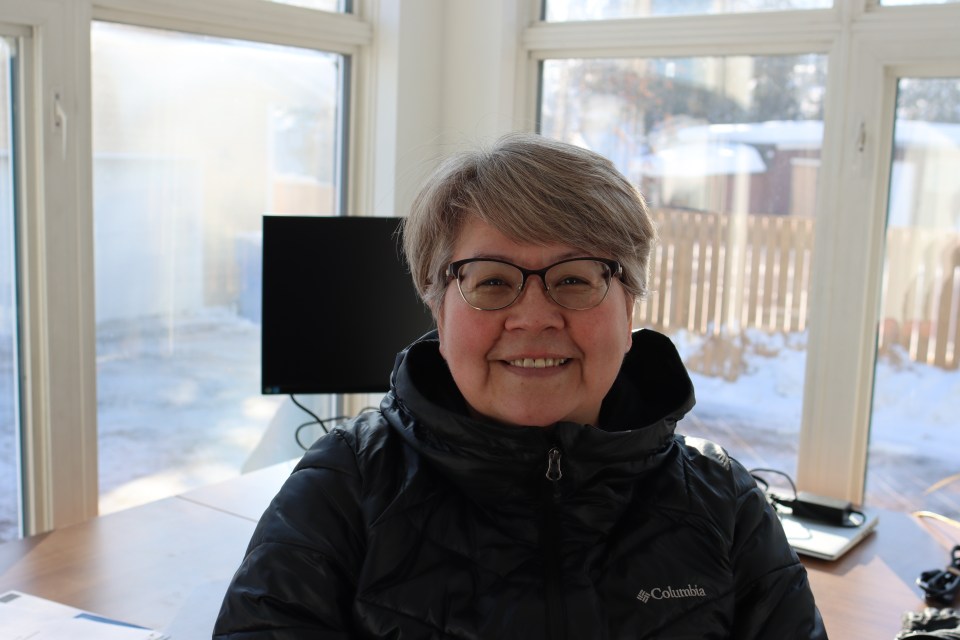
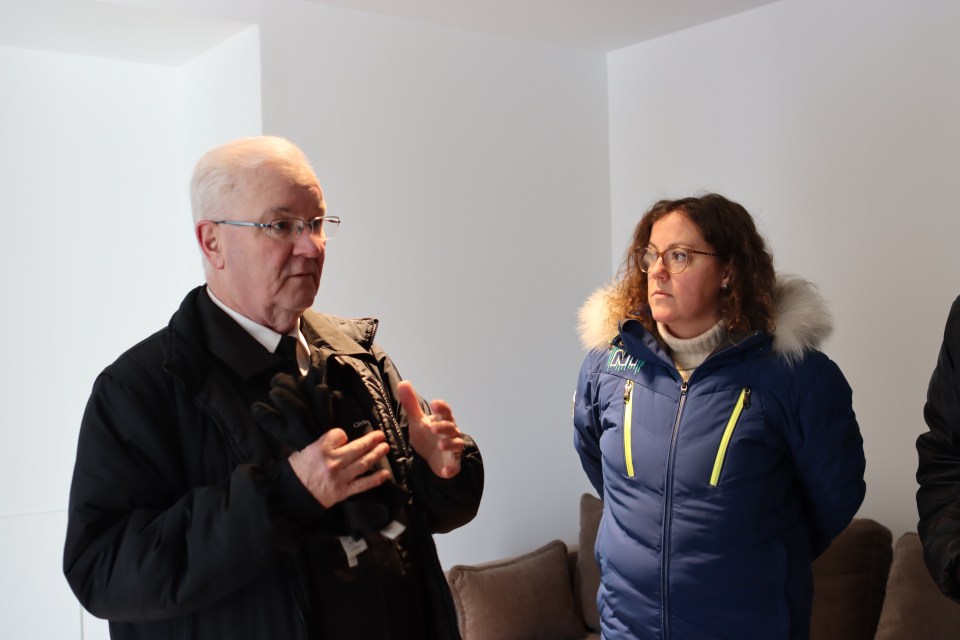
Brushett said the house, acquired last year, was renovated to be “completely accessible.”
“We want to make sure that if somebody is using a wheelchair or another walking device, there would be no issues or barriers for them coming here. So within the last six months, a lot of money had to be put in here,” he said.
“They got the building at a great price, and they were able to get the work done that they needed to get done exactly within the budget that we had received … We ended up spending almost all of that.
“You will see houses like this throughout the Territories. That is the goal.”
Advertisement.
Advertisement.
To maintain the privacy of residents, visitors will not be allowed in the house. Family members may be permitted entry on a case-by-case basis.
Housing minister Lucy Kuptana said the opening of this transitional housing marks a “significant milestone” for NWT residents and acts as a step forward in reducing some of the stress associated with finding a safe space after completing a treatment program.
Kuptana said the program addresses one of the root causes of homelessness “by offering a pathway to stability and self-sufficiency.”
“Housing insecurity can be overwhelming, especially for people who are recovering from addiction. The ongoing uncertainty about where to sleep and how to stay safe can overshadow the crucial work of healing and rebuilding health,” she said.
“We are not just opening a building, we’re opening up a new chapter of hope and healing.
“This home will provide a peace of mind that is crucial to recovery. It will also provide support resources and community to achieve sober and independent living.”
Semmler said an equivalent program in Inuvik, still in its early stages, will be run by the Inuvialuit Regional Corporation.
The building that will become the Tharp house in Inuvik is currently under renovation.
The minister said the health authority has also supported Indigenous governments across the NWT in establishing their own programs and services to support residents.
“Everybody’s journey is different, and we want to be able to support that. But this piece, we had this gap,” she said.
