



The NWT’s minister of infrastructure says paving of the Inuvik airport runway extension has been delayed due to shifting ground conditions related to permafrost.
The federal Department of National Defence is paying for the work as a matter of Arctic sovereignty. A longer runway will allow the Royal Canadian Air Force to operate a wider range of aircraft from the town, which is considered a key “forward operating location.”
So far, the department has committed $230 million on the project, which lengthens the runway from 6,000 to 9,000 ft.
Initially expected to finish in 2024, the project’s latest timeline estimates it will be complete by the end of 2027.
How the latest paving delay affects that schedule, if at all, isn’t clear.
Advertisement.
Advertisement.
At the Legislative Assembly on Tuesday, Inuvik Boot Lake MLA Denny Rodgers asked minister Vince McKay for an update on the project’s status and timelines.
McKay said while the runway extension has been completed and some ditching work remains, paving has been delayed beyond its original 2026 target date.
“What the department is actually waiting for is for an opportunity for that ground to settle as much as it can before they start doing a lot of the paving,” McKay explained.
“The problem is right now it’s moved actually quite a bit in certain areas. From last fall till now, there has been some area of movement of up to a foot.”
Advertisement.
Advertisement.
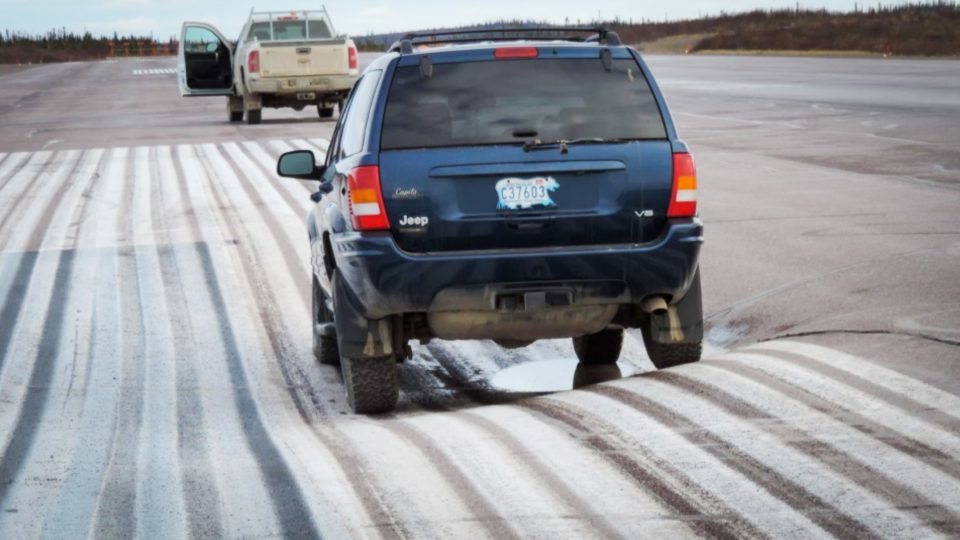
The Inuvik region is vulnerable to thawing permafrost, which has been an ongoing issue at the airport. An infamous photo from 2013 shows a depression that appeared in the airport’s runway and was attributed to changes in the permafrost beneath.
McKay said the department needs to add fill to areas where the ground has shifted to bring the runway back up to grade. He noted the biggest concern is ensuring the ground has time to settle before the final paving begins.
If asphalt is laid too soon, he said, the added weight could cause further problems down the line.
Rodgers asked whether Indigenous governments, the Town of Inuvik, and other partners are being kept informed about the new timelines.
McKay said the department was in communication with DND, which is aware of the permafrost issue, about the status of the project. He said he would confirm which updates had been shared with the Town of Inuvik.
“We have a good working relationship with the contractors,” McKay said.
“The contractors have done some great work there, and we continue working with them to improve the Inuvik airport for the area.”
