

Advertisement.
Molly McAllister starts to wonder what kind of future her children will have.
“Looking at him, you dream about all the things their future might be,” she said of her son. With climate change, McAllister isn’t sure if he will have the life she would hope for.
“Will he even be able to have the choice to have kids?” she wondered. “Or is he going to be more worried about the food he eats and where he’s going to find clean water?”
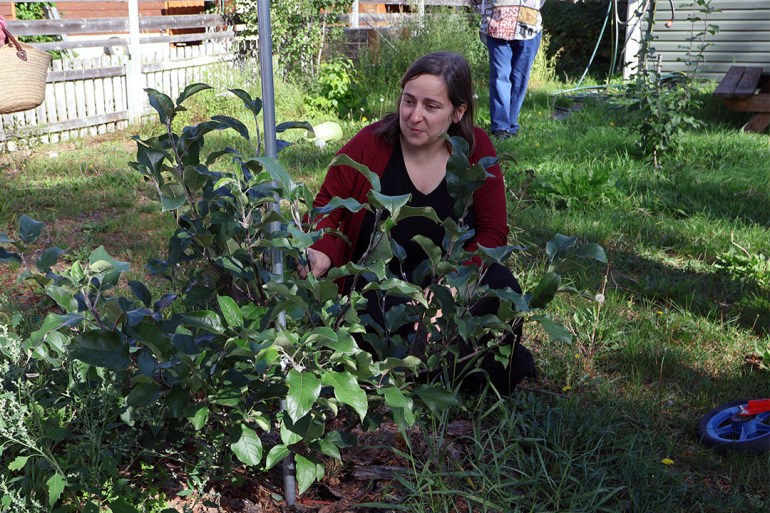
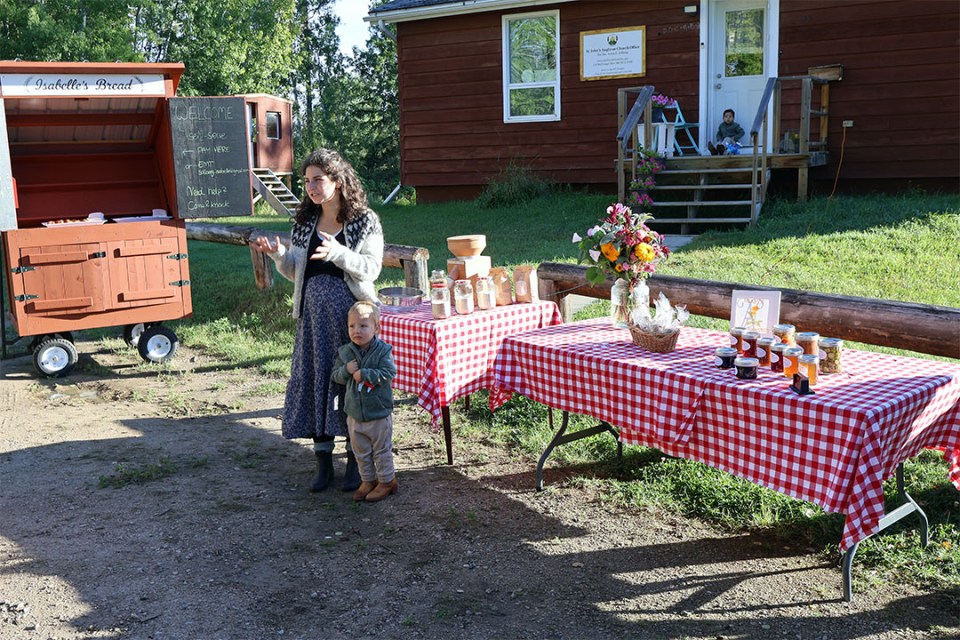
Molly’s Orchard, which McAllister owns, was a stop on a farm tour this month organized by the Town of Fort Smith and Territorial Agrifood Association.
Advertisement.
Advertisement.
McAllister said she began her orchard, which uses its limited space to host fruit trees hardy enough to survive an NWT winter, when the climate crisis “lit a fire under me.”
“We need to be doing things to make sure they know how to grow their own things and how to save their own seeds,” she said of future generations.
In addition to her 18 fruit trees, she is starting an NWT genetic bank of trees best suited for the region.
McAllister hopes that might help the community to address issues that could become more prevalent as the climate becomes more unpredictable.
Advertisement.
Advertisement.
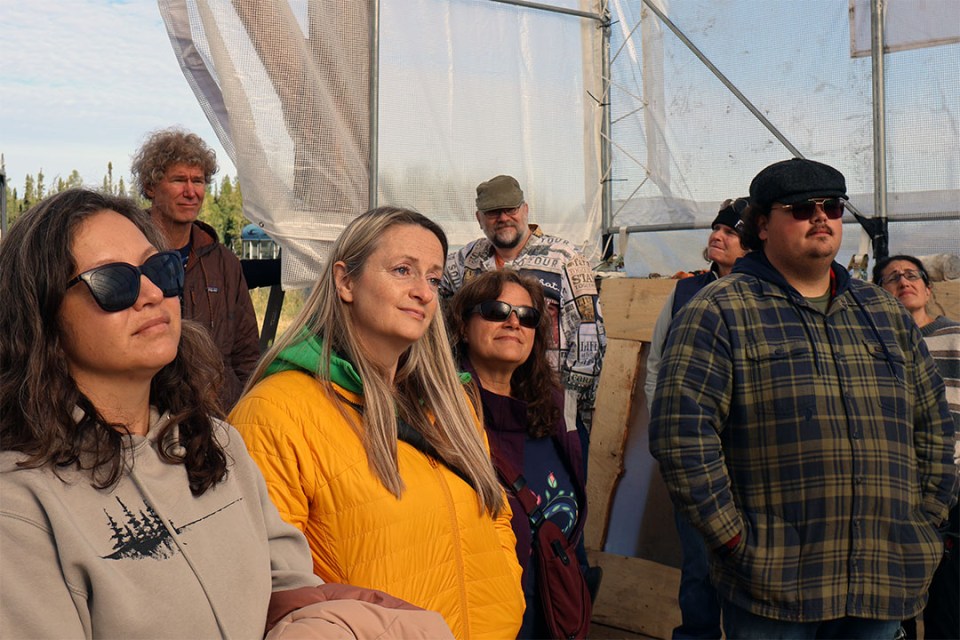
Asked about the biggest difference now compared to the 1990s, when she started growing produce at Fort Fitzgerald Farms, Beverly Tupper has a simple answer: worms.
“I never saw earthworms,” Tupper said, adding that changed in recent years. She’s not sure if the worms were inadvertently introduced in small imported plants, but she’s seeing more of them.
“They’re apparently not very good for the boreal forest. That’s my concern,” Tupper said.
Trees are drying up and dying because the water system has changed, she added, noting spring floods don’t seem to happen any more.
“A lot of plants are dying that were formerly living on very skimpy soil on the rocks, so we’re losing them,” Tupper said.
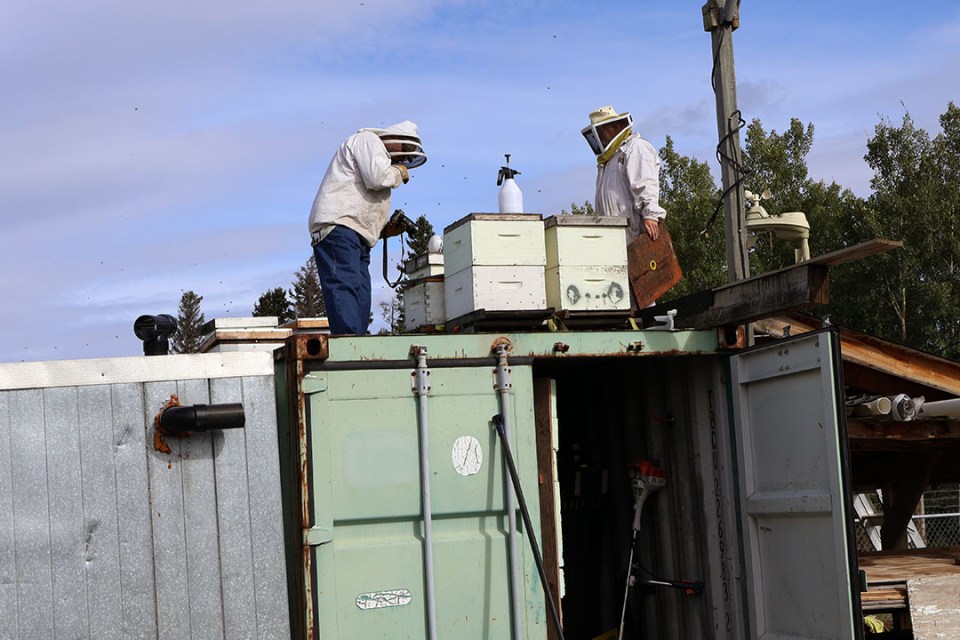
Kevin Antoniak is one of four beekeepers at Bill’s Bees in Fort Smith. With the drier temperatures, he said, flowers don’t offer as much nectar and the bees’ productivity goes down.
“The other thing is the smoke,” Antoniak said.
“When it’s smoky, the bees do not want to come out of the hive because they’re neutralized by the smoke, so they stay in the hive and eat honey. And we’ve had our fair share of smoke in the last few years.”
Advertisement.
Advertisement.
A longer season, though, means the bees produce honey for longer periods. “So from that point of view, we might have a little more luck,” Antoniak added.
Fort Smith has about 40 hives owned by various keepers. Some produce only enough for themselves, while others sell locally.
Antoniak’s advice to anyone thinking of keeping bees? Be prepared to tend to them and don’t assume they’ll make honey on their own. “Give them all the best chances to survive,” he said.
“The critical thing for keeping bees is overwintering them. The bees only last about six or seven months, and our winters are a little bit longer than that. So it’s touch and go whether they die of old age in the hive before the spring.
“If we get a little later start to winter and a little bit earlier spring, our bees have a better chance of survival.”
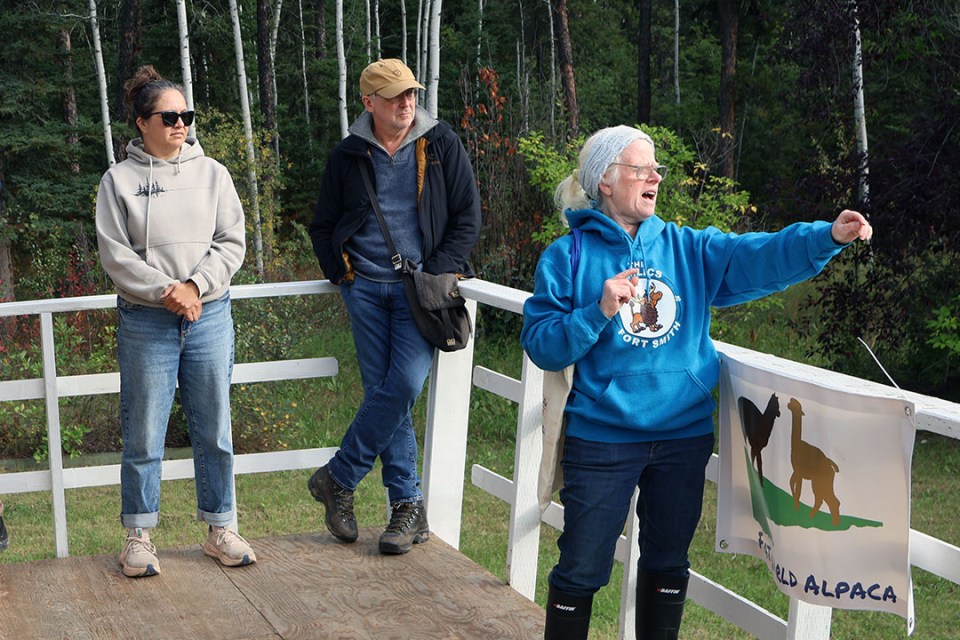
Helena Katz is rebuilding Flat World Alpaca Farm, with new animals set to arrive in a week. She and Mike Couvrette lost their herd to the 2023 wildfires. They’re ready to start over, but wish there was more support for their livestock.
“My husband has to drive down to Alberta to go and get hay down there,” Katz told us.
“If we could get hay grown locally that would be great, not just for us but some of the other farms here that have animals.” A local source would lower carbon emissions, she added.
Advertisement.
Advertisement.
Janet Dean, executive director of the Territorial Agrifood Association, said warmer temperatures offer opportunities. “In the next 30 years, it’s predicted that we should be able to grow grains here in the region,” she said.
“Climate change gives us an extended growing window, so a longer season. It warms the soil, which means different crops, but it’s also just a whole shift in how we look at ourselves and what we can do here. We’re not just the frozen north, and I think climate change is talking about that,” Dean said.
“Many, many serious consequences as well, of course. But even the legacy of the forest fires – we’ve got semi-cleared land now that we can open up for agriculture. Some of what the carbon is adding to the soil is giving new opportunities. So I think this region, in particular, we can really see that dramatically driving forward some new ideas and new changes.”
