

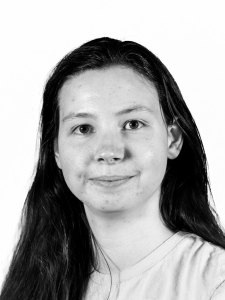
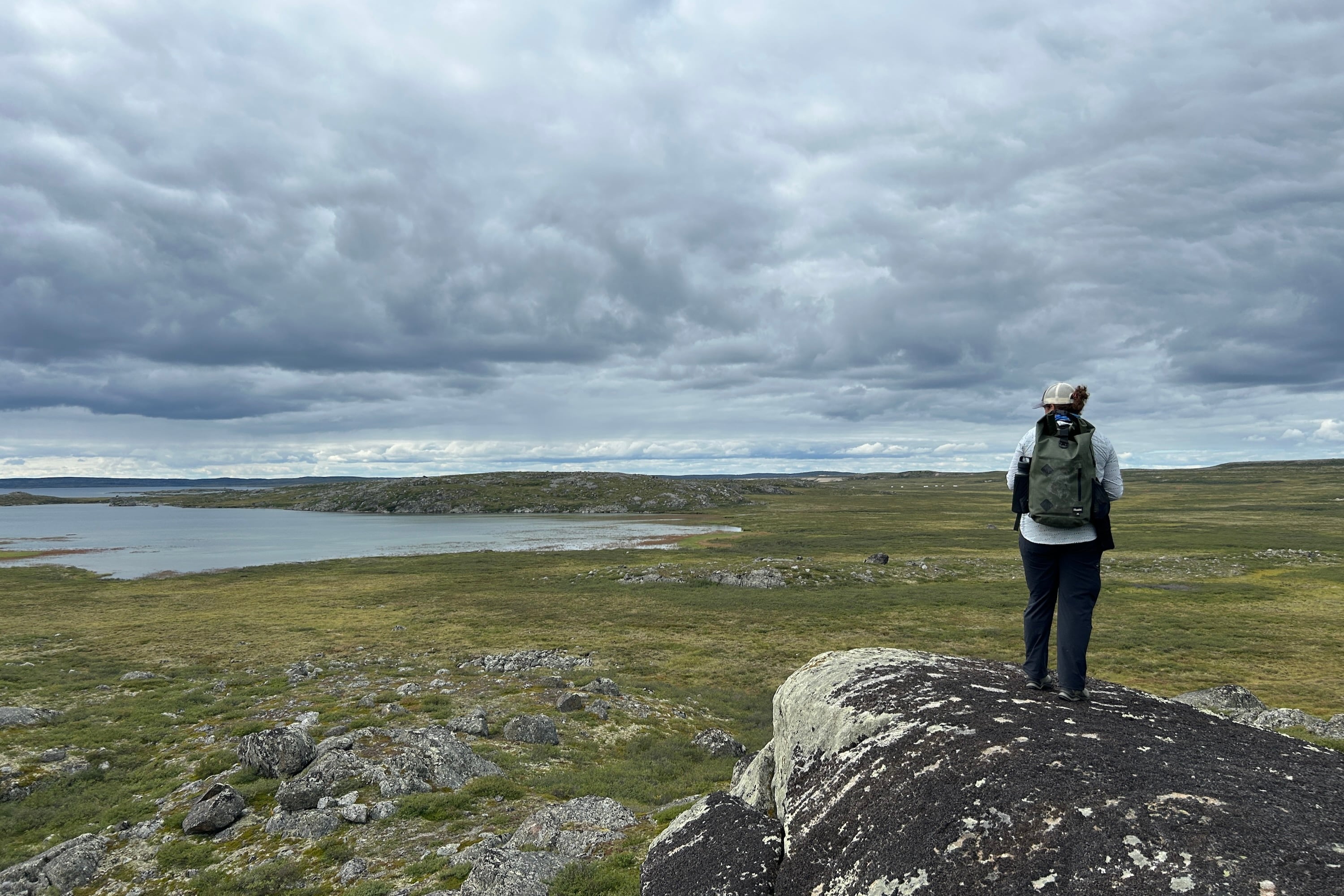
Beth Cowan, a self-described emerging Yellowknife artist, says her participation in an artist-in-residency on an esker has her rethinking the relationship between science and art.
“I didn’t actually realize or expect that would be such an eye-opening part of my artistic development,” said Cowan of working alongside scientists at the Tundra Ecosystem Research Station on Daring Lake.
The Yellowknife Artist-Run Community Centre ran the residency program. The organization’s vice president, Mary Buckland, said the GNWT, Aurora Research Institute and university researchers were welcoming to Cowan and grateful to have an extra pair of hands to carry equipment.
Buckland, who was with Cowan at the research station from July 30 to August 9, said the research involved taking permafrost samples, some of which Cowan got to take home to paint with.
“This is fun, as an adult, to get to learn in the field from people who are discovering things at the same time as you are,” said Buckland.
Advertisement.
Advertisement.
Cowan said the scientists offered a different perspective on her art, the ecosystem and landscape.
“I already feel that science outreach is so important, and reaching more of the public on how to explain the research that is going on in the North,” said Cowan.
“I feel like art could be another avenue to reach a wider audience and perhaps different sets of eyes that maybe don’t always hear about the research that’s happening.”
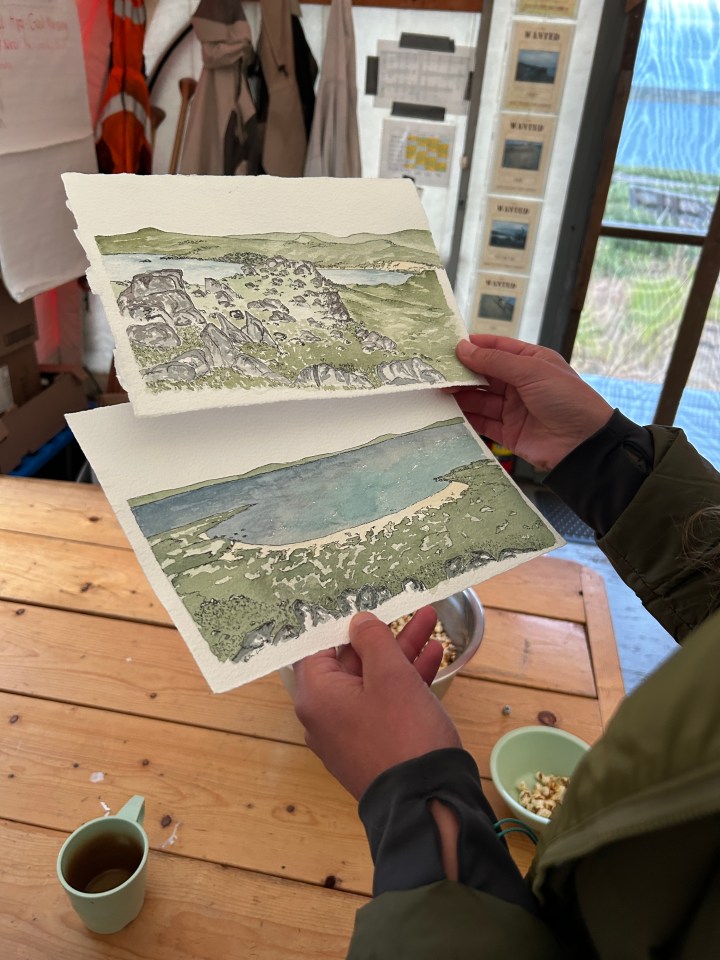
Cowan, who is the Yellowknife Artist-Run Community Centre’s treasurer, said she heard about the residency from Jen Walden, who trialled the format last year, and decided to apply after seeing the call for applications online.
Advertisement.
Advertisement.
Asked why the group had not initially disclosed that Cowan was its treasurer in announcing her selection, Buckland said all NWT applicants were known to the selection committee “on both personal and professional levels.”
“It’s just one of those northern things. We are an artist-run organization. We’re not going to discount artists who collaborate with us in trying to collaborate with us more,” said Buckland.
“We were looking for an artist who, same with Jen Walden, [could do] the land stuff and I wouldn’t have to worry as much with regard to safety and stewardship, and Beth has that in buckets.”
This was the first residency Cowan said she had done. She described being drawn to it because of her love of canoeing and hiking, her experience studying geomorphology, and because she prefers to experience art in “plein air.”
The residency allowed her to complete an art series for the first time, Cowan said – 12 to 13 pieces she plans to display after sitting with them and making some larger.
Buckland said she would like to see the art of Walden and Cowan displayed together, particularly because of their similar art styles and mediums.
While Buckland would like to see the residency program continue, she doesn’t want to force the Yellowknife Artist-Run Community Centre to keep facilitating it if other members have projects they want to organize.
Should it be offered again next year, Buckland said, a call for applications will probably go out in April. She encouraged artists who want to apply to be comfortable working on the land and demonstrate how they would adapt their art practice to the unique residency environment.
Advertisement.
Advertisement.
“I’m game throughout the year to help people try to workshop how their studio practice could be applied to a field-based thing, not only for the esker residency, but for any residency they’re looking at that is a bit more land-based,” said Buckland.
For example, she said, she is interested in how the program could be adapted for a ceramicist, musician, or artist whose method isn’t painting or two-dimensional.
