


Advertisement.
For more than a decade, a Nasa aircraft has returned to the skies over the Northwest Territories, flying the same routes year after year to document a northern landscape in transition.
This month, that work is coming to an end.
The Arctic-Boreal Vulnerability Experiment, or ABoVE, began in 2015 as an eight-to-10-year effort to understand how northern ecosystems are responding to a changing climate. After 11 years, Nasa has completed its final flight in the NWT – but researchers say the end of the airborne campaign does not mean the end of the research.
“It’s really bittersweet,” said Liz Hoy, a Nasa scientist and contractor. “We’ve really loved being up here.”
Advertisement.
Advertisement.
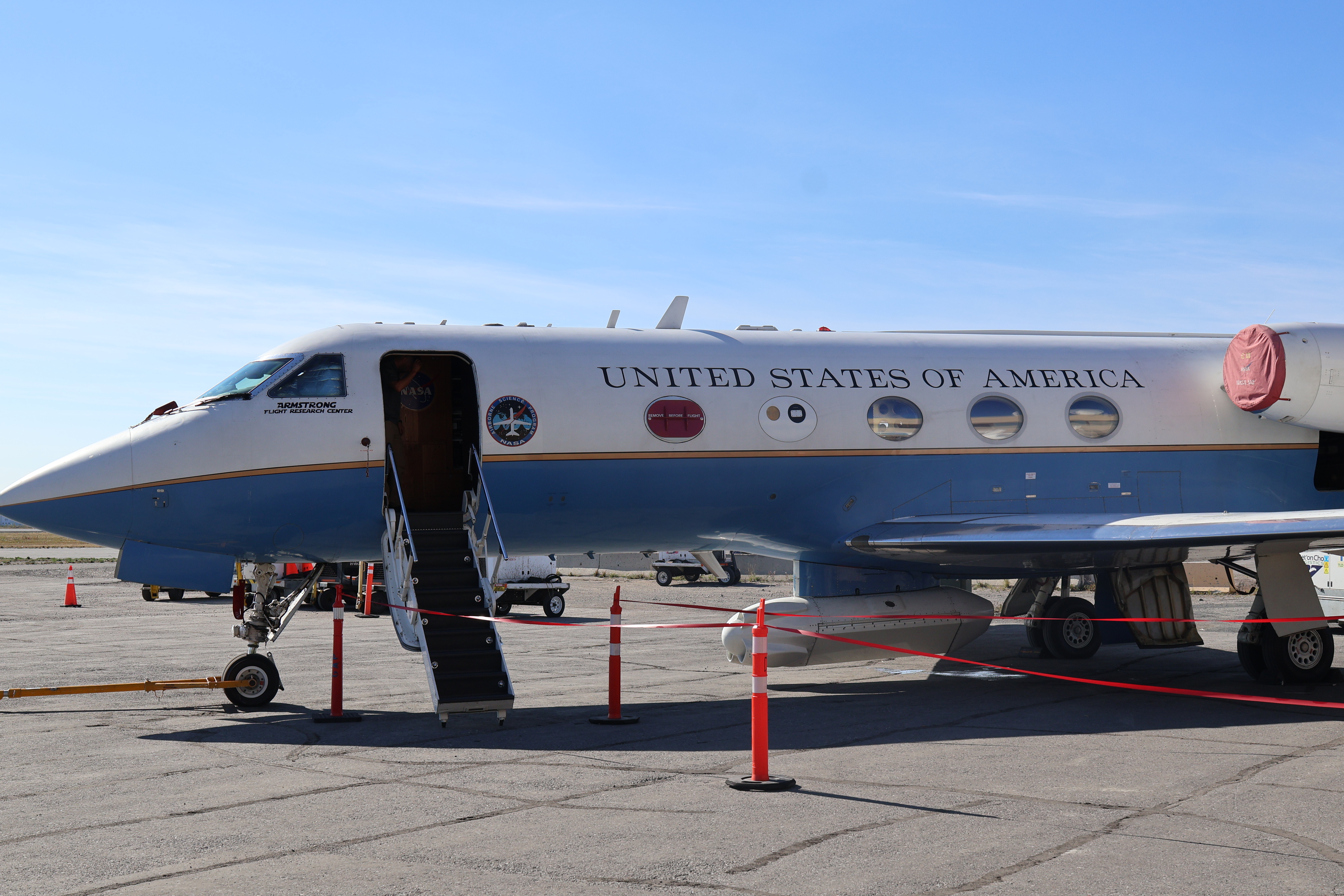
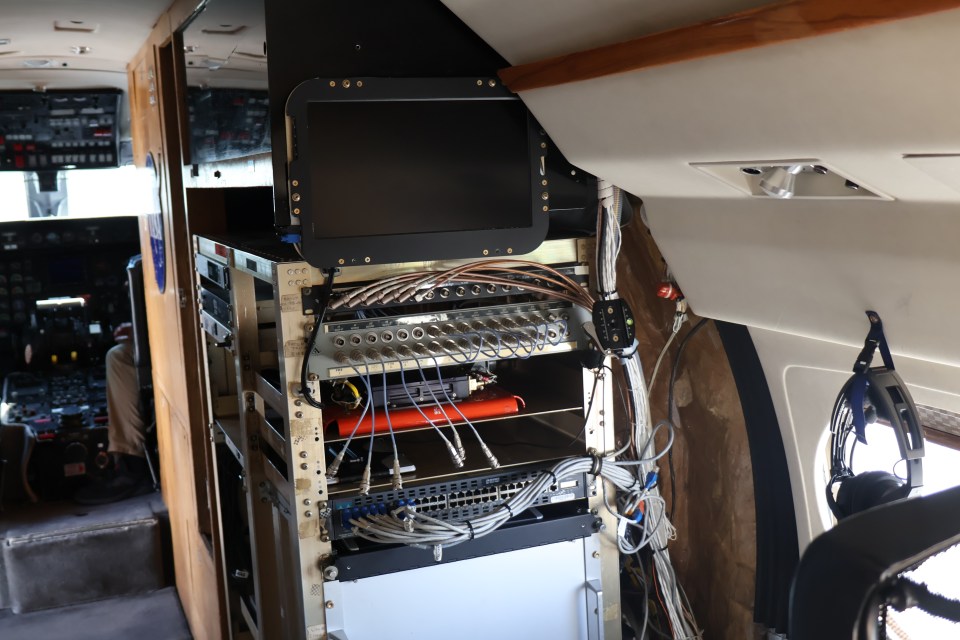
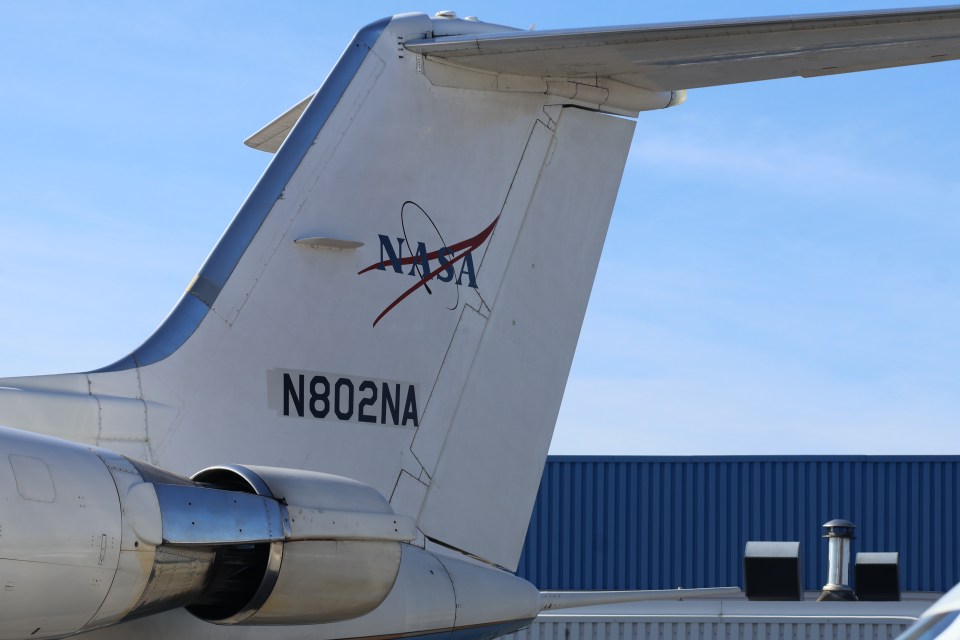
At the centre of the project is Nasa Armstrong Flight Research Centre’s C-20A, a military version of the Gulfstream III business jet.
The aircraft has been extensively modified for scientific research, including a sophisticated radar system mounted in a pod beneath the fuselage.
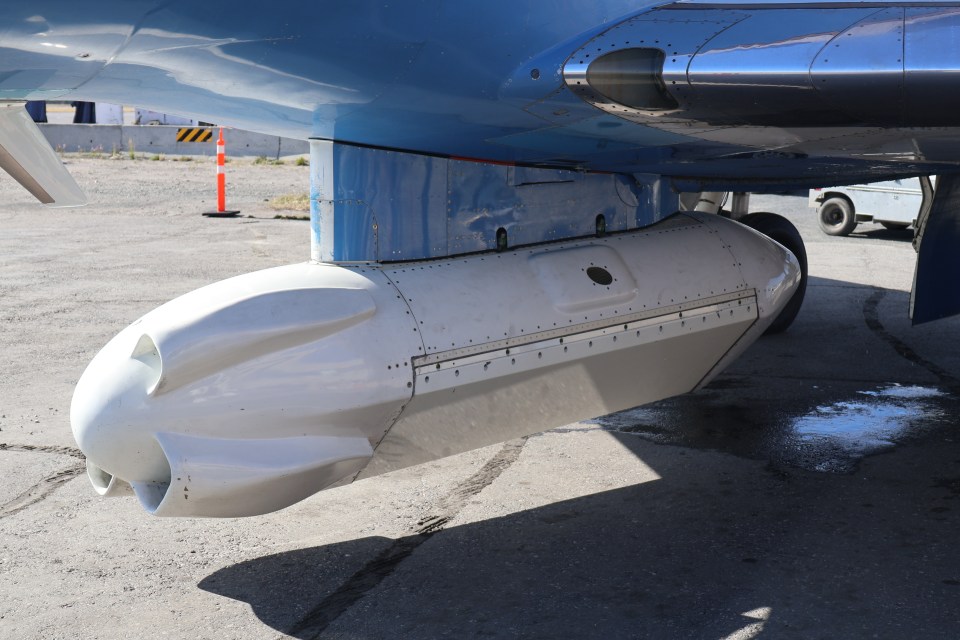
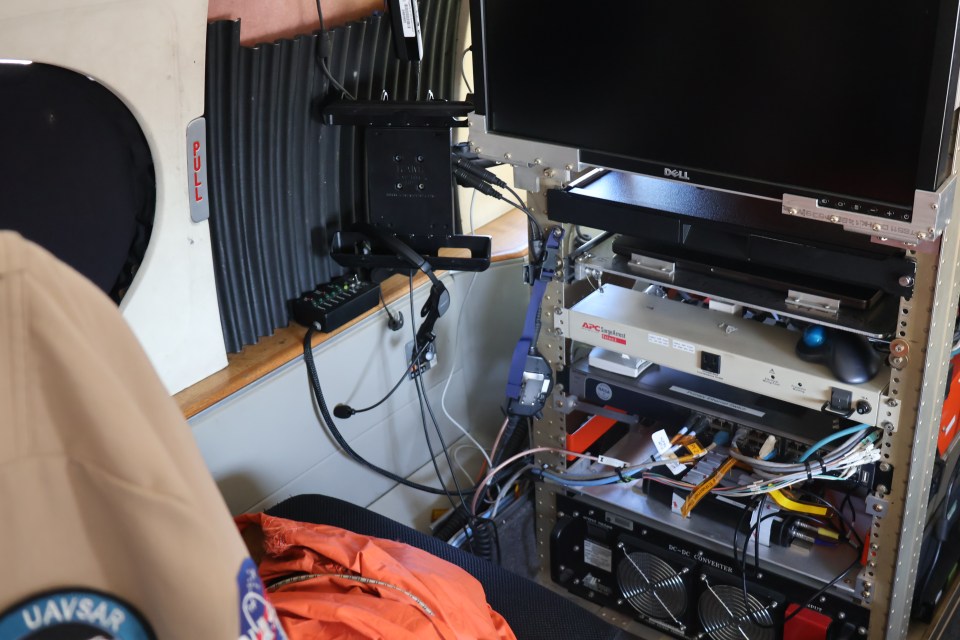
The Uninhabited Aerial Vehicle Synthetic Aperture Radar, or UAVSAR, sends pulses of energy toward the Earth and records the signals that bounce back. Researchers can use those measurements to study vegetation, soil moisture and changes in the shape of the land.
One of the radar’s key techniques is called interferometry. By comparing radar measurements taken at different times, scientists can detect extremely small changes in the Earth’s surface.
Advertisement.
Advertisement.
That precision is useful for studying permafrost thaw, ground deformation and changes following wildfires.
GPS and the aircraft’s navigation systems can repeatedly guide the plane through a narrow “tube” around its original flight path.
“Since we’re flying in the same space, then we can really accurately tell how the land is changing,” Hoy told Cabin Radio.
Those repeated measurements are what makes ABoVE particularly valuable.
From Yellowknife, the aircraft has surveyed the same area multiple times, creating a record of how northern landscapes have changed over the past decade.
That record became especially important after the NWT’s unprecedented 2023 wildfire season.
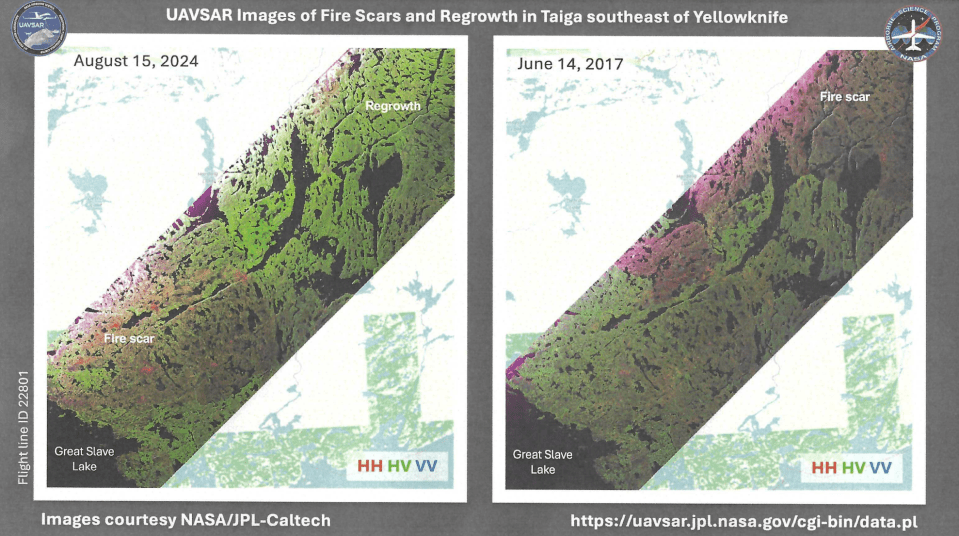
Some areas Nasa has surveyed in previous years later burned, allowing researchers to compare the landscape before and after the fires.
In some areas, researchers can see evidence of an earlier fire, subsequent vegetation regrowth and then a newer fire scar – providing a record of repeated disturbance.
Advertisement.
Advertisement.
The research has contributed to a better understanding of wildfire, permafrost and the northern carbon cycle, including how carbon stored in soils moves through the landscape and is released into the atmosphere.
A legacy beyond the aircraft
Although the flights are ending, the research is not.
Hoy said one of ABoVE’s most important legacies is the baseline of data collected over the campaign.
“Doing all of this has really set ourselves up well for understanding things as they start to happen in the future,” she said.
The data is open access, and Nasa continues to encourage researchers to combine ABoVE datasets and analyze them in new ways.
The airborne measurements are also becoming more useful alongside satellite data.
ABoVE was designed with the expectation that Nasa would eventually launch a satellite capable of collecting similar measurements. That satellite launched last year through a partnership between Nasa and the Indian Space Research Organisation.
During this year’s campaign, the aircraft has been flying beneath the satellite as it passes overhead, allowing scientists to compare airborne and space-based radar measurements and improve the satellite observations.
Advertisement.
Advertisement.
What comes next?
Nasa’s investment in Arctic research will continue, but the questions are changing.
Hoy said new projects will increasingly examine what happens after changes occur on the land – particularly how sediment, minerals and other materials move through rivers and eventually into coastal environments.
Researchers are also interested in how permafrost thaw and coastal slumping affect the ocean.
Nasa has research planned in Alaska next year, and Hoy said she hopes similar work can eventually expand into Canada.
For northern communities, that research could help answer practical questions about a rapidly changing environment.
Michael McPhee, lands coordinator for the Sambaa K’e First Nation, flew aboard the Nasa aircraft during this month’s campaign. He said the data could help communities understand how water is moving across the landscape amid drought, wildfires and flooding.
“We’re really just hoping that we can understand these changes and get a better understanding of how we can take care of the land in this new age of climate change,” McPhee told Cabin Radio.
The final ABoVE flight also included Indigenous youth from Sambaa K’e First Nation.
Advertisement.
Advertisement.
For McPhee, exposing young people to the technology and research was another important part of the project’s legacy.
“Even as a little kid, I always thought Nasa was like the coolest place that you could ever work,” he said.
As ABoVE winds down, Hoy said the questions that remain unanswered are a reminder that the work is not over.
“We’ve learned a lot,” she said. “But I think there’s still more we can uncover.”
